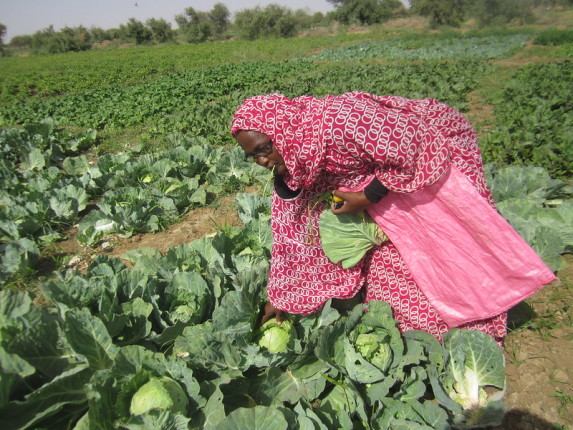
-
Top 5 Posts for May 2022
›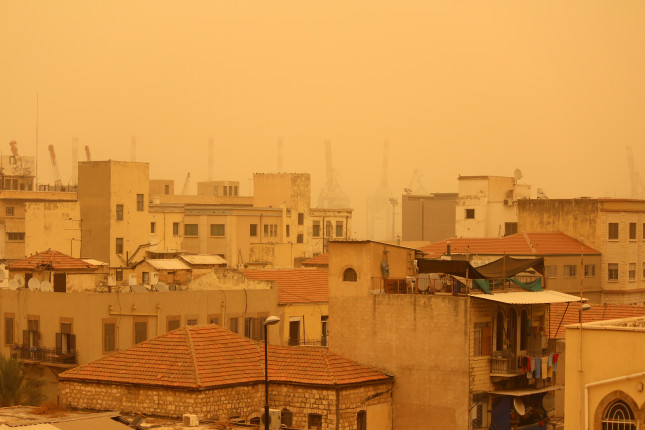
In Iraq, climate change is adding stress to an already precarious situation. Weak public services, growing unemployment, fossil fuel-related environmental and health hazards, and other factors have generated high levels of social vulnerability and contributed to recent protests. In the top post for May, Dylan O’Driscoll and Shivan Fazil write about how, against this fragile backdrop, insecurity is heightened by increasingly deadly flash floods and more frequent dust storms that pose a public health threat.
-
The Safe Delivery App Puts Better Maternal and Newborn Outcomes in the Palms of Health Workers’ Hands
›
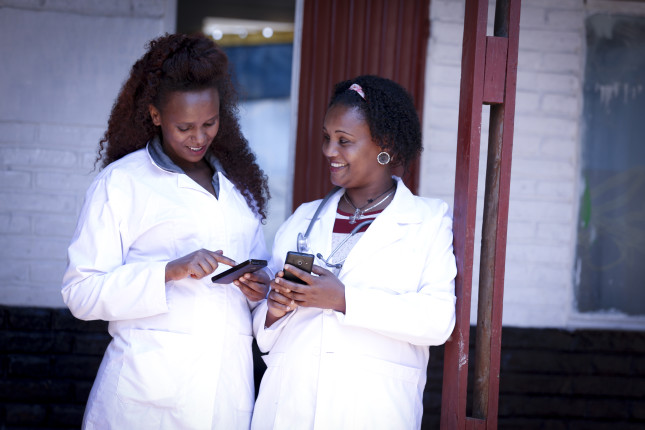
Reducing maternal mortality is key to promoting population health. It is also a main priority of the UN General Assembly’s Sustainable Development Goals. And the reasons for concern are clear. Globally, 800 women and 6,500 infants die during pregnancy and birth every day. More than 94 percent of these deaths occur in low-and-middle-income countries (LMICs).
-
Chaos Continues: The Impact of the Revocation of the Global Gag Rule
›Many researchers have documented the impact of the Global Gag Rule (GGR) around the world—and what happens when the policy is in place. “But we don’t know enough about what happens when the policy is revoked,” said Bergen Cooper, Director of Policy Research at Fòs Feminista at the launch of the organization’s new report, Chaos Continues: The 2021 Revocation of the Global Gag Rule and The Need for Permanent Repeal.
-
Two-Spirit People Reclaim Their Place as Water Protectors
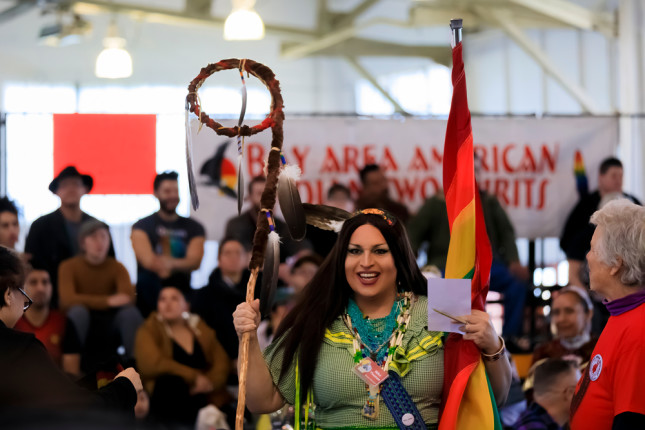
›It was time to take a stand. That’s the conclusion Sharon Day, an Ojibwe and Two-Spirit elder, came to after hearing that the Minnesota Department of Transportation intended to transform Hiawatha Avenue into Highway 55, linking the Minneapolis-St. Paul International Airport with downtown Minneapolis. The proposed expansion, Day worried, could pollute Coldwater Spring, a natural spring that both Dakota and Ojibwe people consider sacred and of immense cultural significance.
-
Top 5 Posts for April 2022
›As the world reels from the Russian invasion of Ukraine, the pandemic, climate shocks, and other crises, strategic future planning is more important than ever. In April’s most-read article, Steven Gale points to a source of hope in the suite of inclusive, “future-forward” initiatives that are unfolding under UN leadership, from risk reporting to impact assessments and youth engagement. These activities, encompassed by the UN’s Our Common Agenda, represent a global collaborative effort to map future risks and identify policy options in service of long-term well-being for people and the planet. -
Silencing the Stigma of Menstruation
›Every month, young women and girls in the villages of Nepal make their way into makeshift huts where they will reside for the week until their menstruation has finished. Some of them will turn to nearby sheds whereas others will travel through dense forests to reach these huts. Venomous snake bites, asphyxiation, and rape are just a few of the harsh realities of living in these poorly ventilated and weakly protected menstrual huts. This practice of self-isolation called “chhaupadi” is an ancient tradition of “untouchability” rooted in the belief that menstruation is sinful and impure. Considered bringers of misfortune, menstruating girls and women are forbidden from taking part in any household, religious, and social activities under this tradition, forcing them to distance themselves from their family and community during this time. Although chhaupadi seems like an extreme case or isolated custom, it actually represents a common global issue—menstrual stigma.
-
Can Conflict-Sensitive Gender Analysis Close the Door on Backdraft?
›Effective climate action demands urgent transformational change. It is also increasingly clear that responses to climate change—whether focused on curbing emissions or adapting to climate impacts—can profoundly influence and change how people live. It touches upon many aspects of their everyday life, including their livelihoods, where they live, and their roles in the community. These changes also can have substantial effects on the socio-ecological systems in which people live— bringing unintended tensions and drivers of conflict that are referred to broadly as backdraft.
-
Addressing the Global Stigma of Being Childfree
›Women around the world are choosing to forego motherhood. Yet more often than not stigma remains the global response, despite a decades-long global trend of women making this decision.
Varied social perceptions greet the choice to not bear children, depending on the culture and economic status of the country. Yet regardless of income level, globally recognized female stereotypes often place a high value on a woman’s fertility and her potential role as a mother, making it harder for women to exercise their agency to embrace other alternatives.
Showing posts from category gender.

 As the world reels from the Russian invasion of Ukraine, the pandemic, climate shocks, and other crises, strategic future planning is more important than ever. In April’s most-read article, Steven Gale points to a source of hope in the suite of inclusive,