-
The Unpredictability of Climate Impacts on River Flows, and the Need for Disaster Aid Reform
› A study published in PNAS highlights the unpredictability of the impacts of climate change on water resources by comparing detailed simulations in mountain areas of Chile and Nepal. Authors Silvan Ragettli, Walter W. Immerzeel, and Francesca Pellicciotti study the response of river flows to a significant decline in glacier areas in the Juncal catchment of Chile and the Langtang catchment of Nepal at higher spatiotemporal resolutions than any previous study.
 -
“Loss and Damage” and “Liability and Compensation” – What’s the Difference and Why Does It Matter?
›September 2, 2016 // By Cara Thuringer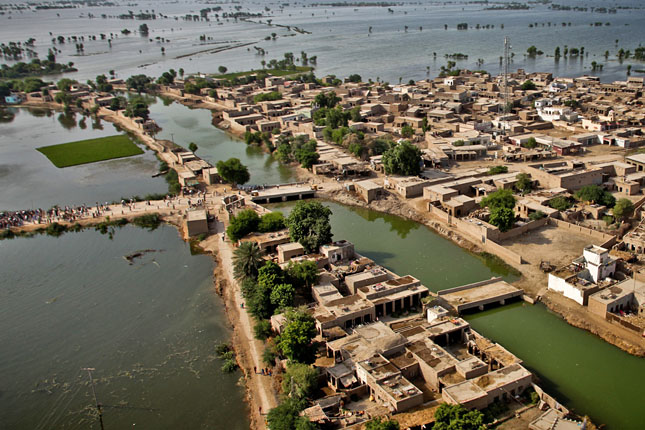
When wildfires become unstoppable, consuming forests, farmlands, communities, and anything else in their path, how will those affected cope? When typhoons slam coastal populations, dumping over a foot of rain in a single event, who will be there to help mop up? When seas rise up, drowning centuries-old communities, where will the displaced go?
-
Calming the Waters: Why We Need to Better Integrate Climate and Water Policy
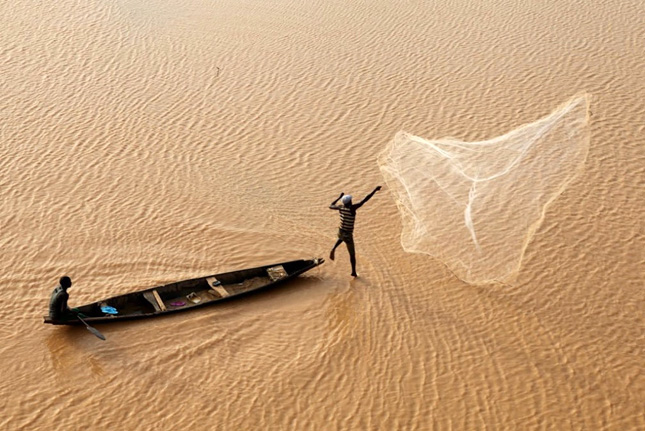
›The Nile River is shared by 11 countries, for which it is vital for food and energy production, freshwater, and as a means of transportation. Sharing the resources of the Nile has, however, been politically difficult. Recently, the construction of the Grand Ethiopian Renaissance Dam has caused a major dispute with downstream Egypt which fears the dam will affect water flow in its own territory.
-
At the Eye of the Storm: Women and Climate Change
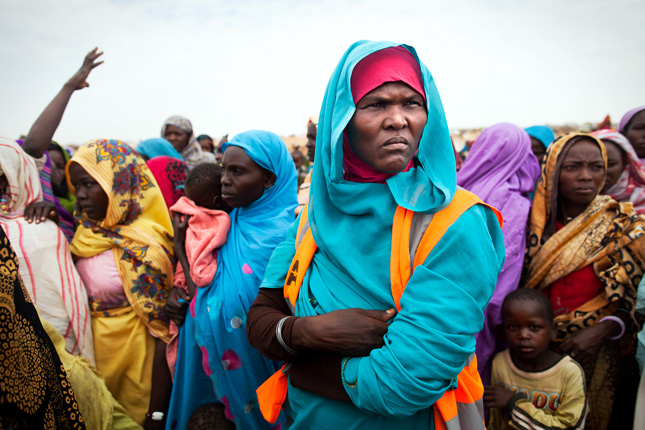
›Struggling to save their failing crops. Walking farther afield to fetch clean water. Protecting their families from devastating storms and violent conflicts. “Women are usually the support systems for our family…we are the last to leave in the event of a catastrophe, which is why women and families are disproportionately hurt by climate catastrophes,” said Wilson Center President, Director, and CEO Jane Harman on June 23 during a conference on women and climate change. [Video Below]
-
New Approach to Sanitation May Help Fast-Growing Urban Areas Achieve SDGs
›In the late 1990s, world leaders came together to create the Millennium Development Goals – time-bound, quantified targets for addressing extreme poverty and human health and well-being. Notable among them was to “halve, by 2015, the proportion of the population without sustainable access to water and sanitation.”
-
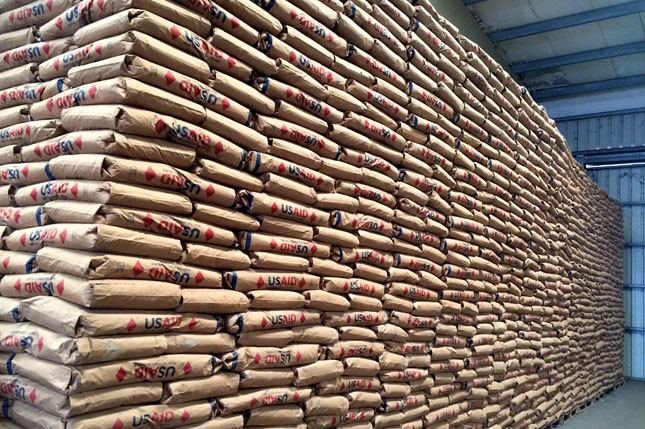
Inside a Data-Driven Attempt to Fight Spoilage in U.S. Food Aid
›Today, as El Niño-related droughts impact communities across East and Southern Africa, food aid shipment and distribution networks have shifted into high gear. From the U.S. Agency for International Development to the United Nations World Food Program and NGOs like CARE and Save the Children, food aid providers are stocking port warehouses in Djibouti and South Africa, as well as inland warehouses in countries like Ethiopia, Zimbabwe, and Lesotho.
-
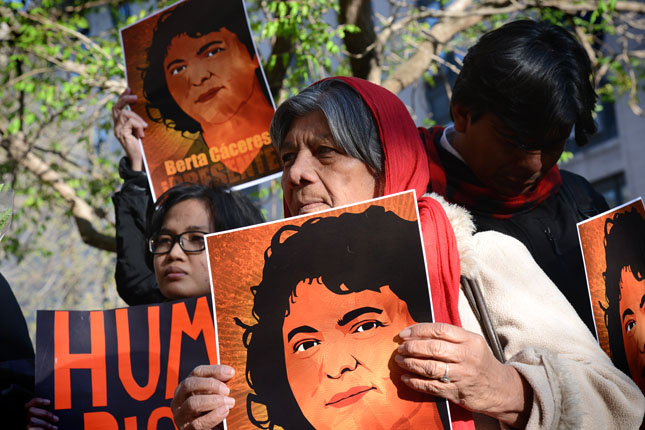
Human Rights and the Environment: How Do We Do Better?
›2015 was a deadly year for environmental activism. According to Global Witness, 185 activists were killed, a 60 percent increase from 2014. Of the victims, 40 percent were indigenous people, like Berta Cáceres, who spoke at the Wilson Center last year and was shot and killed in her home in Honduras this March. [Video Below]
-
Finding Resilience in the Aftermath of Cyclone Roanu in Bangladesh
›In 1970, Cyclone Bhola slammed into East Pakistan – present day Bangladesh – with sustained winds of 150 miles per hour, killing as many as half a million people. In 2007, Cyclone Sidr killed 3,406 people in Bangladesh. This year, Cyclone Roanu killed just 30. What’s behind this huge decline in mortality? What has Bangladesh done differently?
Showing posts from category funding.