-
To Be Young, Libyan, and Female: Alaa Murabit on Building Civil Society After Gaddafi
› In the turbulent days following the 2011 fall of Colonel Muammar Gaddafi’s government, Dr. Alaa Murabit found herself in Libya’s fragile capital, Tripoli, observing exchanges between parliamentarians and civil society over the future of the country. For over 40 years, this kind of discussion was unthinkable – not the least, for a young woman.
 -
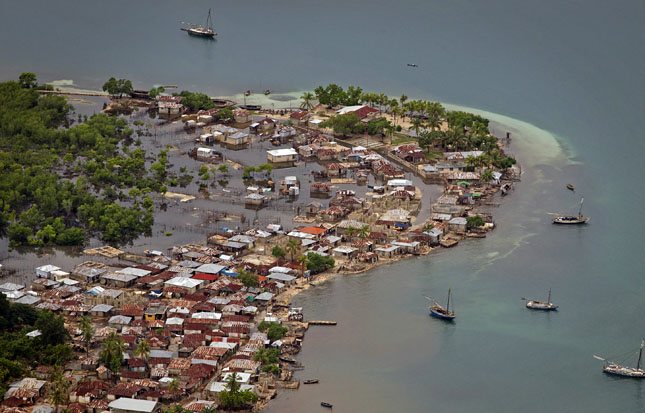
Building a Climate-Resilient Caribbean: Grenada Hosts National Adaptation Planning Workshop
›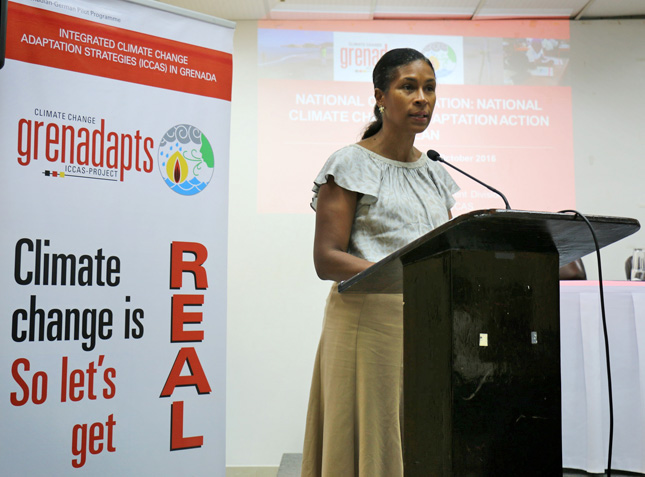
For island nations already dealing with more frequent and intense extreme weather events, climate change is an imposing burden. But many island states are responding and becoming “incubators of resilience,” as Lynae Bresser recently wrote.
-
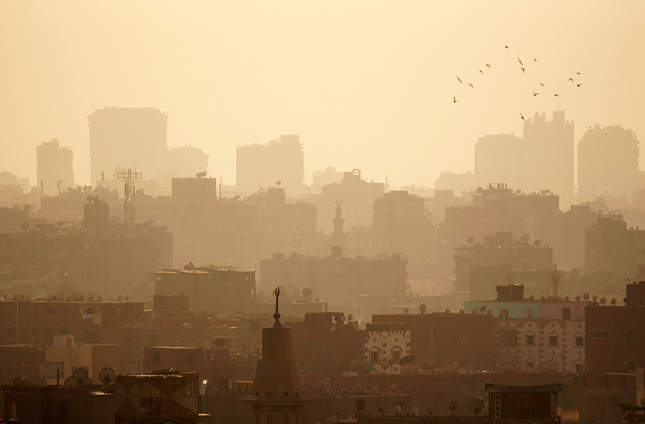
“You Are Asking About Pollution?”: One Journalist’s Perspective on the Mid East’s Environmental Crisis
›It was some point in May last year, shortly after ISIS surged into the city of Ramadi, and I was working on a story about Iraq’s fast-disappearing Mesopotamian Marshes. Keen to fact-check a few statistics with the Ministry of Water Resources and to hear the government line on the wetlands’ struggles, I dialed its Baghdad offices. After being passed from official to official like a hot potato, a young employee, Hussein, finally gave it to me straight. “No, no, we don’t have this sort of information,” he said, clearly impatient to get off the phone. “There are much more important things in Iraq right now.”
-
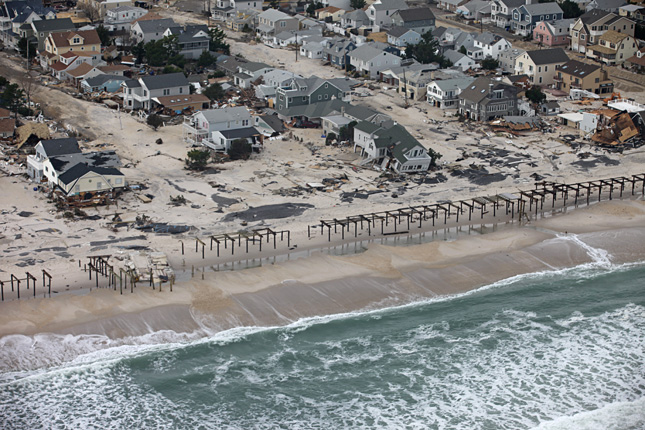
5 Insights and Recommendations for Loss and Damage at COP-22 and Beyond
›November 10, 2016 // By Roger-Mark De SouzaOver the past four years, I have been a member of the Resilience Academy, an initiative of the United Nations University, International Center for Climate Change and Development, and Munich Re Foundation bringing together thinkers from 29 countries to gather insight on climate change resilience and “loss and damage.” Loss and damage has many definitions, but broadly refers to the impacts of climate change that cannot be addressed via adaptation (adjusting to the effects) or mitigation (preventing them from happening at all).
-
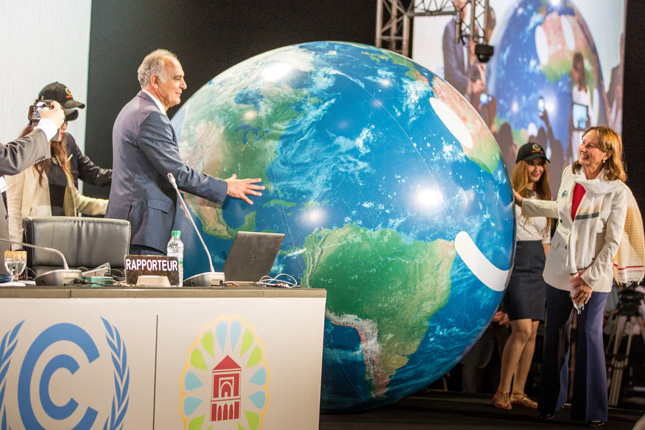
Strategic Ambiguity: How Loss and Damage Became a Part of Global Climate Policy
›As the international community meets in Marrakesh for the climate change negotiations at COP-22, one of the most delicate issues on the table is the review of what’s called the Warsaw International Mechanism for Loss and Damage, or WIM.
-
Necessity Is the Mother of Invention: Islands as the Vanguard of Climate Adaptation
›“Climate change is one of the greatest challenges of our time and it calls for a comprehensive and cooperative international approach like we’ve never seen,” said Jainey Bavishi, associate director for climate preparedness at the White House Council on Environmental Policy, at the Wilson Center on October 5. “The leadership of the island nations is essential; they punch well above their weight on this issue.”
-
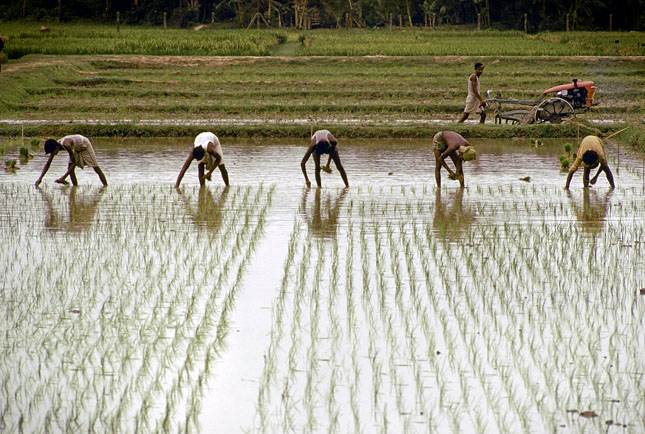
Assessing Feed the Future in Bangladesh: Production Gains, Nutrition Challenges
›September 30, 2016 // By Anam AhmedAmong all the countries receiving agriculture and nutrition assistance through the U.S. government’s Feed the Future initiative, Bangladesh receives the third most, at approximately $50 million a year ($55 million has been requested for 2017). Yet Bangladesh’s population is larger than that of the two countries ahead of it, Tanzania and Ethiopia, combined.
-
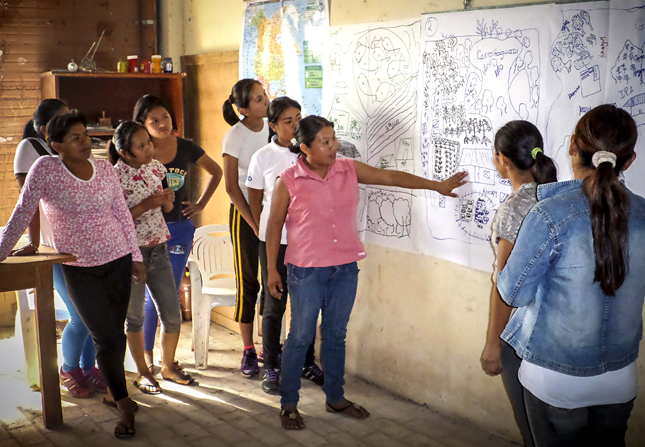
Building a Case for Integrated Development: A New Research Agenda and Examples From the Field
›With the Sustainable Development Goals nearing their one-year anniversary, the global community continues to strive toward eradicating poverty by 2030. In order to achieve this ambitious target, many international development practitioners are embracing a more holistic approach to development, combining traditionally single-sector programming, like health or environment work, into more comprehensive efforts. But such integrated development is sometimes easier said than done.
Showing posts from category funding.
 In the turbulent days following the 2011 fall of Colonel Muammar Gaddafi’s government, Dr. Alaa Murabit found herself in Libya’s fragile capital, Tripoli, observing exchanges between parliamentarians and civil society over the future of the country. For over 40 years, this kind of discussion was unthinkable – not the least, for a young woman.