-
Mattis Latest in Succession of Senior Military Leaders to Warn About Climate Change
›March 17, 2017 // By Schuyler Null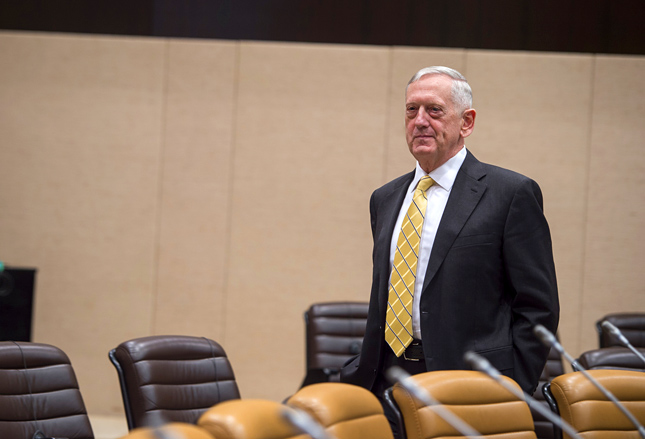
This week, newly minted Secretary of Defense James Mattis joined a long list of senior U.S. military leaders who have warned about the national security threats of climate change.
-
As More Aid Flows to Fragile States, a Call for a Better Approach
›March 7, 2017 // By Sreya Panuganti
Global poverty has been reduced dramatically over the past two decades. Less than 11 percent of the world’s population were living in extreme poverty in 2013 compared to 35 percent in 1990. But improvements have largely come in stable countries. Many of the remaining pockets of extreme poverty are in “fragile states,” countries that are vulnerable to internal and external shocks and can easily tip into crisis when faced with an environmental, economic, social, or political change.
-
A Journalists’ Guide to Energy and the Environment in 2017
›“Turbulent and possibly revolutionary times are ahead for U.S. energy and environmental policy,” said Bobby Magill, a senior science writer at Climate Central, at the Wilson Center on February 3. “If there’s one message the Trump Administration is sending about environmental and climate regulations, it’s this: The future will not look like the past.”
-
Richard Choularton on 3 Steps to Avert the Famines We See Coming
›There has been great progress in anticipating famines in recent years, with most predicted six or more months ahead of time, says Richard Choularton, senior associate for food security and climate change at Tetra Tech, in this week’s podcast. But action to address their humanitarian impacts has lagged. Responses need to be more consistent and faster, he says, happening “almost without human intervention.” -
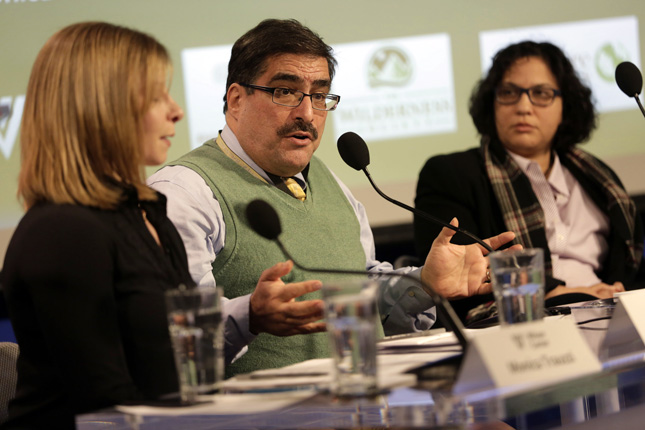
Insights on Ending Famine and Creating Food Security in a Changing World
›The effects of climate change combined with breakdowns in governance are leading to food insecurity “on a scale that we’ve rarely seen,” said Alex de Sherbinin, associate director of Columbia University’s Center for International Earth Science Information Network, at the Wilson Center on January 26.
-
2017 Is Pivotal for U.S. Leadership on Global Water Security
›2017 promises to be a key year for U.S. government leadership on a variety of issues. Not least among them is global water security. Never have the challenges of global water security been so severe, and never have the opportunities for American leadership in the sector been greater.
-
Reproductive Health Care in Crises Has Come a Long Way, Says Sandra Krause, But There’s More to Be Done
›There may be more women and girls at risk of maternal health complications in fragile and conflict-affected settings today, but attention to the issue is not new and the international community has made important strides over the last 20 years, says Sandra Krause, program director for reproductive health at Women’s Refugee Commission, in this week’s podcast. -
Planet at the Crossroads: Insights From IUCN’s World Conservation Congress
›At this year’s International Union for Conservation of Nature (IUCN) World Conservation Congress, more than 10,000 scientists, activists, and leaders from around the world committed to finding “nature-based solutions” to reversing environmental declines and securing a healthy, livable planet.
Showing posts from category funding.
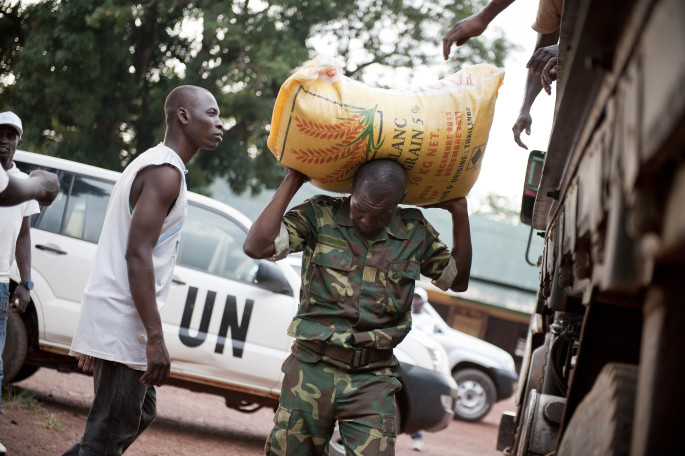
 There has been great progress in anticipating famines in recent years, with most predicted six or more months ahead of time, says Richard Choularton, senior associate for food security and climate change at Tetra Tech, in this week’s podcast. But action to address their humanitarian impacts has lagged. Responses need to be more consistent and faster, he says, happening “almost without human intervention.”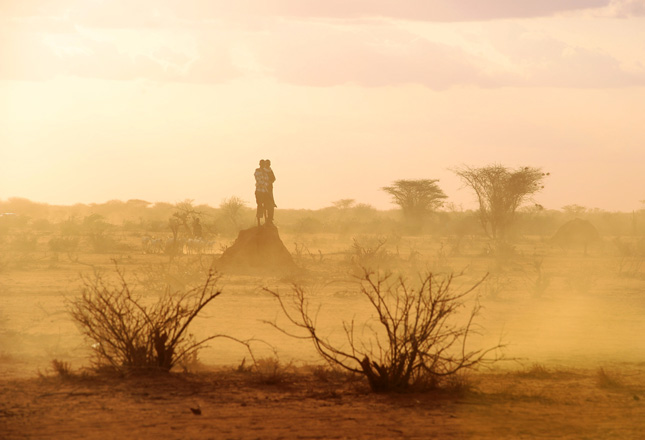

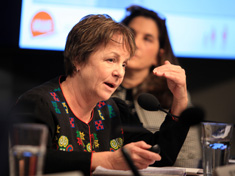 There may be