-
Thermometers of Change: Snow Leopard Diplomacy in Asia’s High Mountains
›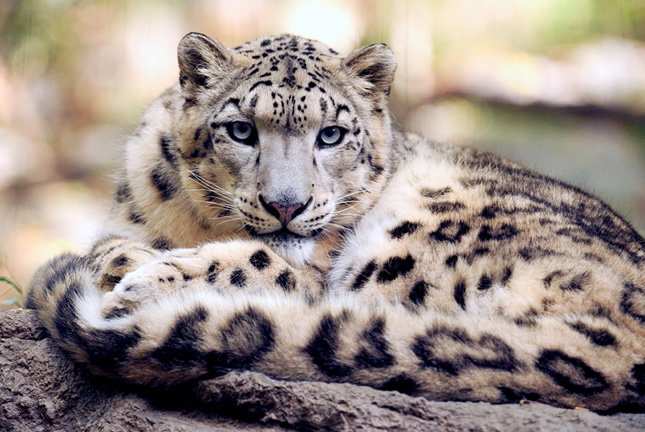
“Change is everywhere where snow leopards live,” said World Wildlife Fund (WWF) Vice President Kate Newman at a recent Wilson Center event. “The life of the snow leopard is intimately intertwined with the lives of the people in these high mountains,” she said. If you care about water security and climate resilience in Asia, you should also care about the integrity of the snow leopard’s habitat, added Koustubh Sharma of the Snow Leopard Trust. These beautiful and enigmatic animals are “the thermometers of the health of these ecosystems.”
-
From the Pacific to the Atlantic, Protecting Coastal Communities From Climate Threats
›
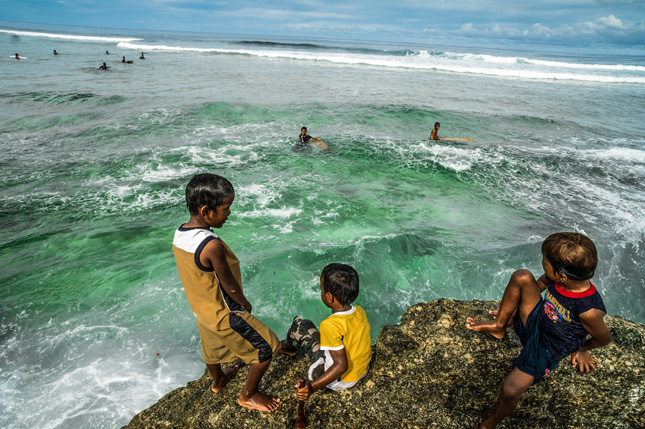
The frontlines of climate change are the world’s shorelines. “It goes without saying that people living in coastal communities are already observing impacts,” said Erin Derrington, a coastal resources specialist working in the Northern Mariana Islands, at a recent Wilson Center event, the third in a series on coastal resilience presented in collaboration with the Hoover Institute and the Stanford Woods Institute on the Environment. “Although that is a challenge, it is also an opportunity and a driver for change and innovation,” said Derrington.
-
What Is Loss and Damage from Climate Change? First Academic Study Reveals Different Perspectives, Challenging Questions
›Following a series of recent devastating extreme weather events – mudslides in Sierra Leone, flooding in south Asia, and severe storms hitting the Philippines and the Gulf of Mexico, many have called attention to the role of climate change in these disasters. The string of Atlantic hurricanes that has devastated the Caribbean has prompted fresh calls to make nations and communities more resilient to the effects of climate change, and especially to address “loss and damage” in island nations.
-
Can Caribbean Islands Really Adapt to Extreme Hurricanes?
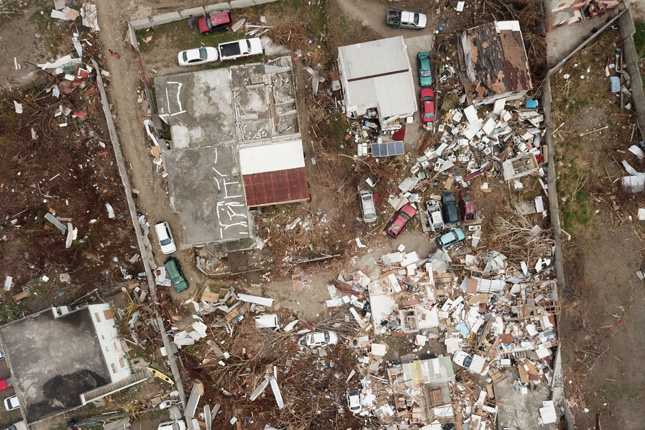
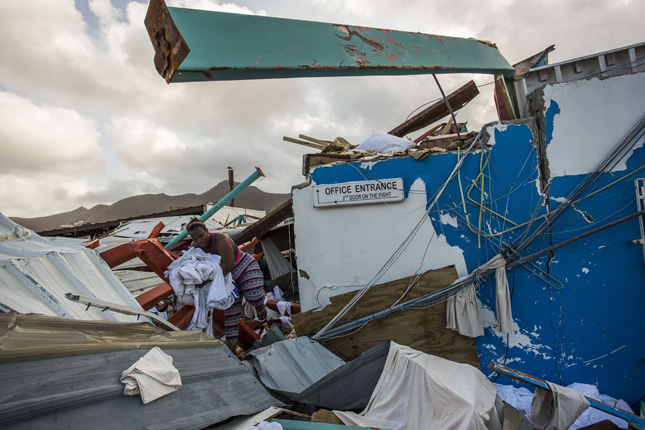
›“A monster”… “wreaking havoc”… “ripped through” the Caribbean and part of Florida: I heard these words as Hurricane Irma, the strongest Category 5 Atlantic hurricane on record, decimated the entire island of Barbuda and destroyed the four “most solid” buildings on St. Martin. And as I write this from the relative safety of Barbados, Hurricane Maria is on a similar path, leaving similar destruction in its wake. With winds of more than 160 miles per hour, Maria was the strongest storm to make landfall in Dominica. In a matter of hours, it devastated the country, regained its strength, and continued its onslaught on Puerto Rico and beyond.
-
MCC Mobilizes Private-Sector Investment to Expand Access to Water in Jordan
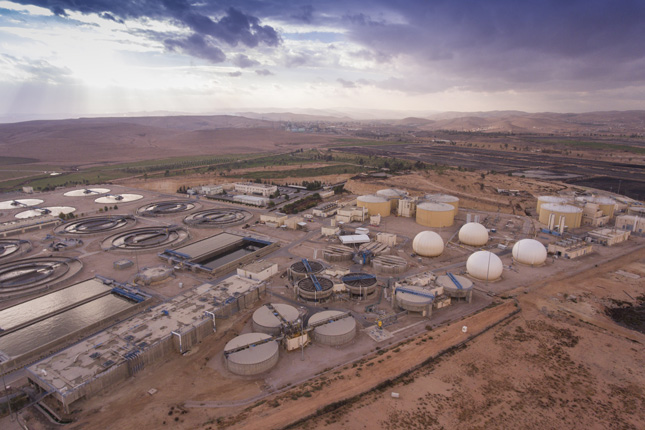
›In Jordan—one of the driest, most water poor countries in the world—population growth is straining the country’s aging infrastructure and limited water resources. As the Jordan country director for the Millennium Challenge Corporation (MCC), I’ve met urban residents and business owners who have only received water from the city utility once every two weeks, relying on storage tanks to fill the gaps. I’ve spoken with water utility managers who could no longer keep up with urgent repairs, leading to bursting water pipes and sewage overflowing into streets. And farmers in the Jordan Valley have told me that each year their wells have grown drier, and they feared the next generation would be forced to give up farming olives, tomatoes, grapes, and strawberries.
-
Christophe Angely on Overcoming Pessimism for the Sahel
›The Sahel region of Africa is a wide band that marks the transition from the Sahara Desert in the north to the wetter, sub-tropical regions in the south. The Sahelian countries have some of the most rapidly growing populations in the world and have faced significant environmental change over the past century. In recent years, insurgencies have surged in several countries, new terrorist groups have become active, there have been several droughts, and migration has increased. -
Violence and Water Scarcity Threaten Historic Quadruple Famine
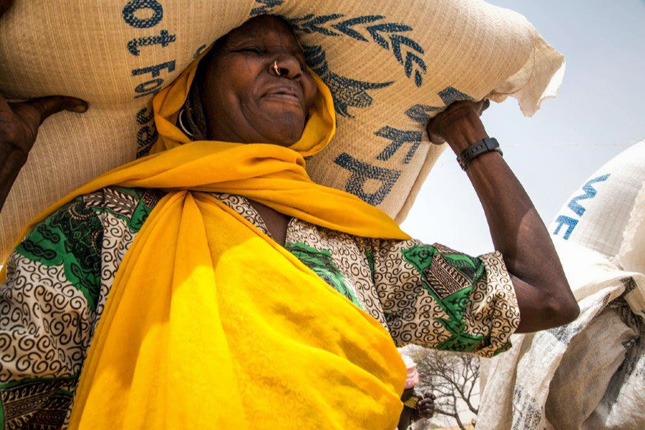
›An international food crisis is currently unfolding on a scale not seen since World War II. More than 20 million people in Somalia, Nigeria, South Sudan, and Yemen are in danger of famine. UN Under-Secretary-General and Emergency Relief Coordinator Stephen O’Brien said in March, “We are facing the largest humanitarian crisis since the creation of the United Nations.”
-
What’s in a Label? Lessons on Advancing Global Health Goals From Corporate Green Standards
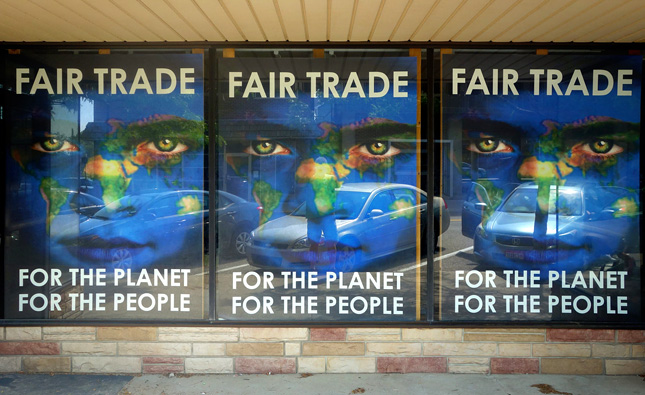
›As you walk through the supermarket, you’ve probably noticed labels like “Rainforest Alliance Certified,” “Fair Trade,” or “Green Seal.” These certifications were created to help consumers use their purchasing power to reward companies that treat workers fairly and limit their harm to the environment. What’s missing is health, particularly women’s health. Too often these standards focus narrowly on occupational safety rather than addressing broader, but relevant, health needs of workers.
Showing posts from category funding.
 The Sahel region of Africa is a wide band that marks the transition from the Sahara Desert in the north to the wetter, sub-tropical regions in the south. The Sahelian countries have some of the most rapidly growing populations in the world and have faced