-
What Next? Climate Mitigation After Paris
›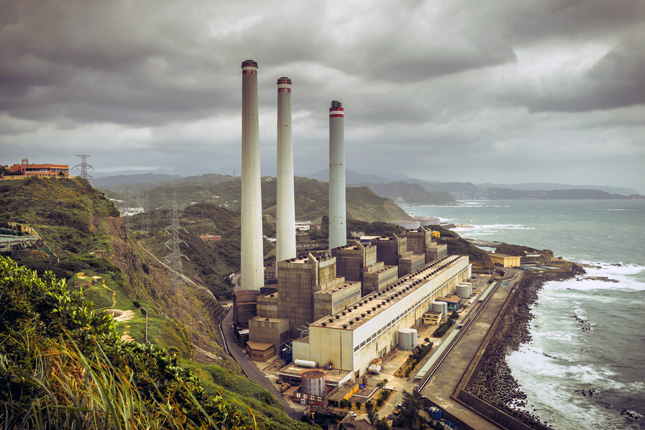
The Paris Climate Agreement sets forth a bold goal to reduce greenhouse gas emissions, keep global temperature rise below 2.0 degrees Celsius, and employ best efforts toward no more than 1.5 degrees of warming. It also sets forth a new set of rules to achieve these goals. [Video Below]
-
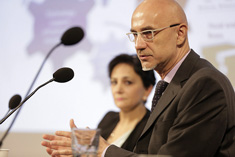
How to Translate Paris Pledges Into Action? Regulatory Frameworks, Says World Bank’s Grzegorz Peszko
›
Nearly six months after the Paris climate agreement, the international community’s attention has shifted from celebration to implementation. Governments have begun outlining climate pledges in the form of intended nationally determined contributions, or INDCs – which are fast becoming nationally determined contributions, or NDCs, as they begin influencing policy.
-
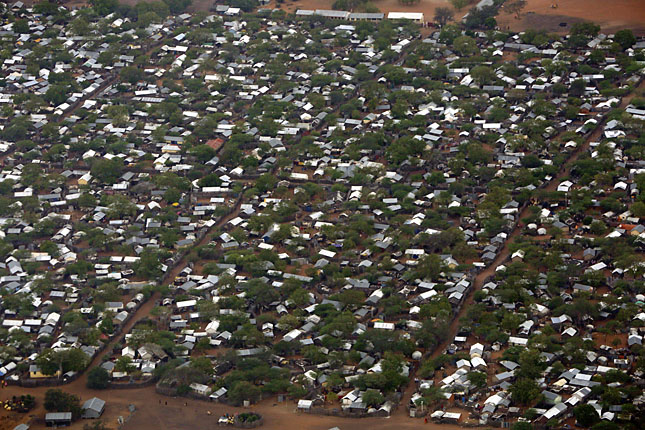
Why East Africa’s Refugee Crises Can No Longer Be Ignored
›Citing security concerns, the government of Kenya recently announced their intent to close the world’s largest refugee complex, Dadaab, after almost 25 years. [Video Below]
-
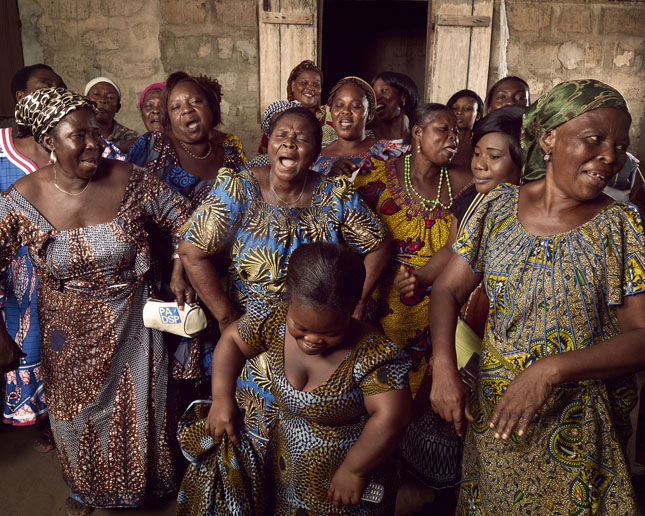
New Approaches to Addressing Gender Inequality in Global Development
›In principle, development organizations and donors have known that gender dynamics affect the success or failure of their efforts for some time. In practice, overturning cultural mores while at the same time improving health outcomes, incomes, or food security can be difficult. [Video Below]
-
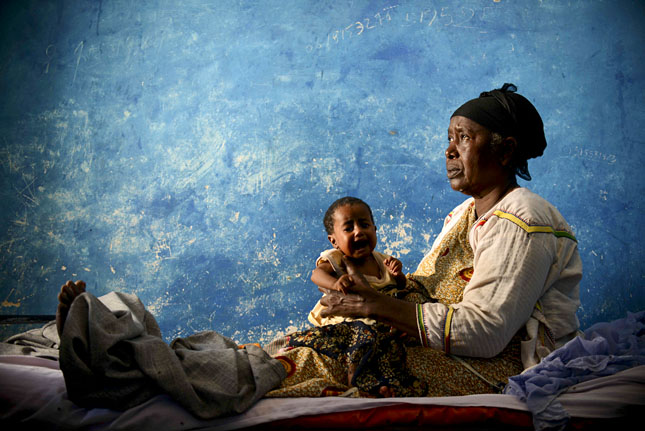
Global Population and Reproductive Health (Book Preview)
›Population, reproductive health, and environmental sustainability are inextricably linked. Growing populations place increasing demands on the environment, while meeting the reproductive health needs of populations usually slows their growth. Often, however, policymakers, scholars, and journalists discuss these issues separately, as if unrelated.
-
Christina Cauterucci, Slate
Gates Foundation to Invest $80 Million for Better Economic Data on Women and Girls
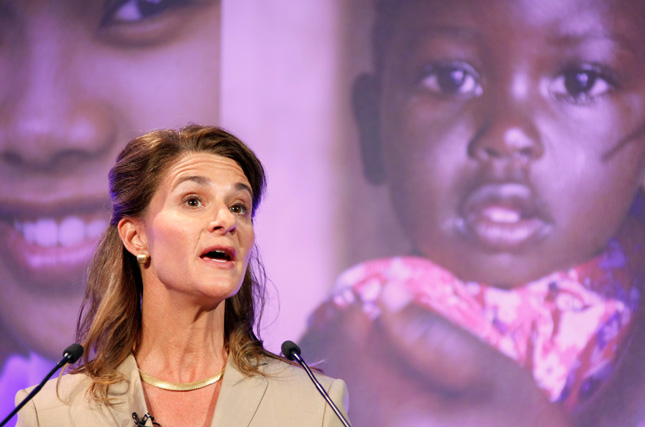
›June 3, 2016 // By Wilson Center StaffMelinda Gates announced a new $80 million Bill and Melinda Gates Foundation commitment to global data collection in a May 17 address at the Women Deliver conference in Copenhagen. Over three years, the foundation’s efforts will focus on filling gaps in data about women’s unpaid labor, improving the accuracy of data around land and property ownership, and using that data to inform civil and government decision-makers about the effects of their existing programs and recommend areas for improvement.
-
The Case for a Caribbean Carbon Market
›In an effort to scale-up climate change mitigation, the largest private sector engagement in the history of the United Nations was drafted to fund clean technology projects in developing countries. Carbon credits were to offset pollution in developed nations and pay for clean energy projects in developing countries. But many developed countries, including the United States, spurned the agreement, preferring to manage greenhouse gas emissions internally and build or retrofit infrastructure in ways that directly benefited their economies. The ambitions of the Kyoto Protocol, which went into effect in 2005, were subsequently stranded and then scrapped.
-
Corruption, Climate Change, and Vulnerability in Small-Island States
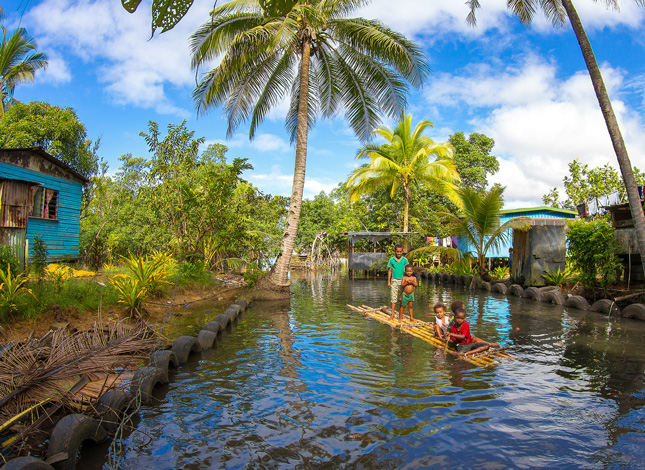
›As international funding to support environmental management and development increases, the danger of associated corruption grows and requires greater attention. Small-island developing states (SIDS), greatly exposed to the damage caused by climate change, are particularly vulnerable. These small, trailblazing countries in the Pacific, Caribbean, and Indian Ocean are making progress in addressing climate threats, but will need international support and local commitment regarding rule of law and corruption in the climate sector as they try to prevent the worst effects of climate change and find a sustainable way to develop.
Showing posts from category funding.