-
Backdraft Episode #3: Kimberly Marion Suiseeya on Voice, Justice, and Representation
› “If we think sustainable development is the goal we want to achieve, we have to be radical in elevating those who have been traditionally excluded,” says Northwestern University’s Kimberly Marion Suiseeya in this week’s “Backdraft” episode. “We have to approach conservation and global environmental governance from the perspective of the invisible and the marginalized people.”
 -
New “Backdraft” Podcast Series, on the Peace and Conflict Consequences of Climate Responses
›The science is clear: To prevent major disruption, the global community must take steps to address climate change. But it is also increasingly clear that efforts to address climate change can have major effects on societies that are not always anticipated. -
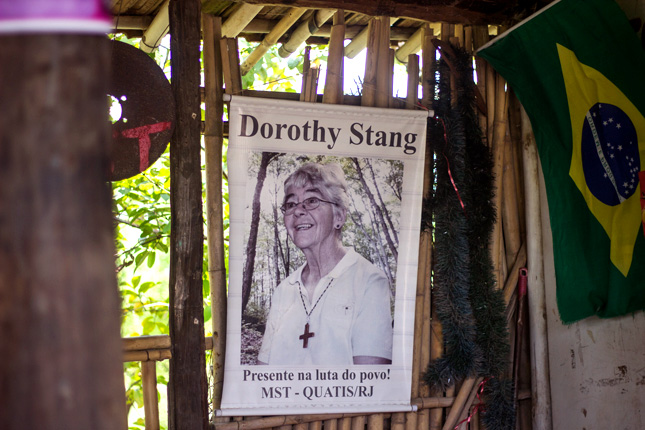
Environmental Defenders Under Attack: Second Goldman Prize Winner Killed in Less Than a Year
›
Despite recent press coverage about the violence against international environmental defenders, another prominent figure has been murdered in cold blood.
-
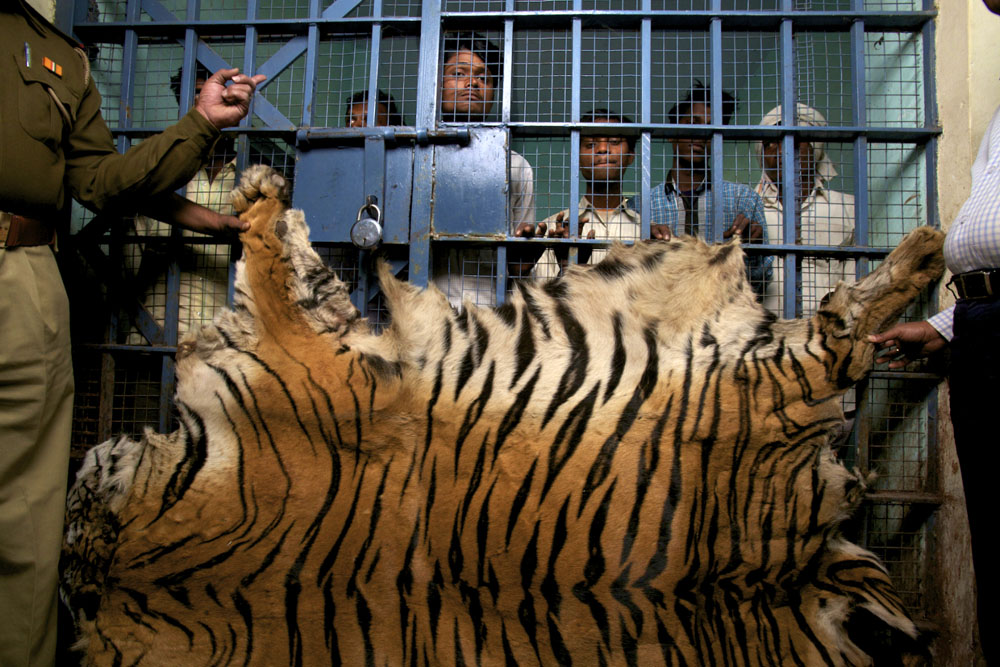
As Asian Luxury Market Grows, a Surge in Tiger Killings in India
›From 1990 to 2013, the notorious tiger poacher Kuttu Bahelia and his extended family – brothers, uncles, and their wives and children – reportedly killed hundreds of tigers and leopards in the tiger-rich Indian states of Maharashtra and Karnataka, according to law enforcement informants and media reports. “Even if half that [estimate] is correct, it is still a very significant number,” says Belinda Wright, who directs the non-profit Wildlife Protection Society of India (WPSI).
-
Backdraft Revisited: The Conflict Potential of Climate Change Adaptation and Mitigation
›Whether or not we respond to climate change – and the security implications of that decision – is a major public policy question. But increasingly experts are paying closer attention to how we respond.
-
Environmental Defenders Are Being Murdered at an Unprecedented Rate, Says UN Special Rapporteur
›The Earth’s front-line defenders are disappearing at an astonishing rate. On average three environmental activists were killed each week in 2015, according to a recent report from the United Nations special rapporteur on the situation of human rights defenders. Global Witness, an international NGO that documents natural resource extraction, corruption, and violence, reports a 59 percent increase in deaths last year compared to 2014. In total, 185 killings of environmental defenders were recorded by Global Witness in 2015.
-
Planet at the Crossroads: Insights From IUCN’s World Conservation Congress
›At this year’s International Union for Conservation of Nature (IUCN) World Conservation Congress, more than 10,000 scientists, activists, and leaders from around the world committed to finding “nature-based solutions” to reversing environmental declines and securing a healthy, livable planet.
-
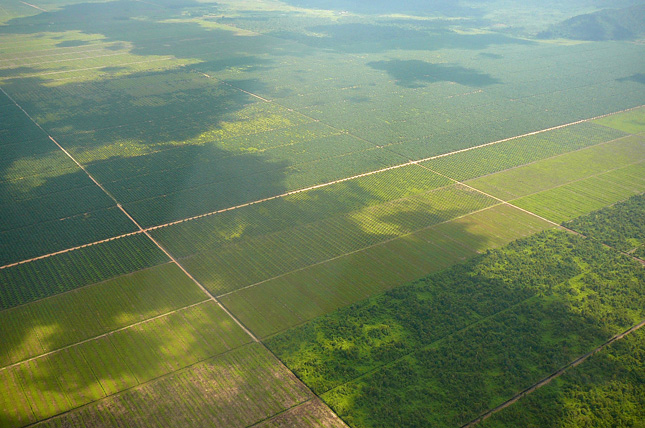
Getting to Sustainable Palm Oil: A Hardware and Software Approach to a Market Problem
›The palm oil sector is at a crossroads. Despite growing awareness of its massive effects on deforestation, the largely unregulated and decentralized industry has struggled to adopt, follow, and document rigorous sustainable sourcing standards.
Showing posts from category forests.
 “If we think sustainable development is the goal we want to achieve, we have to be radical in elevating those who have been traditionally excluded,” says Northwestern University’s Kimberly Marion Suiseeya in this week’s “Backdraft” episode. “We have to approach conservation and global environmental governance from the perspective of the invisible and the marginalized people.”
 The science is clear: To prevent major disruption, the global community must take steps to address climate change. But it is also increasingly clear that efforts to address climate change can have major effects on societies that are not always anticipated.