-
Observing Earth: Using Satellite Data for International Development
›
“Interest in earth observation—and in particular, the value to what we do in development internationally—has never been higher,” said Jenny Frankel-Reed, adaptation team lead at the U.S. Agency for International Development (USAID). Frankel-Reed spoke at the Wilson Center’s recent panel discussion of the earth observation data program known as SERVIR, which included insights from USAID’s soon-to-be-released evaluation of the program.
-
Social Justice or Forest Conservation? Cross-Regional Comparisons Reveal a False Trade-Off
›
The present understanding of the relationship between environmental conservation and social justice, two of the greatest challenges of our times, is fraught with multiple confusions, especially in the context of developing countries.
-
Risk, But Also Opportunity in Climate Fragility and Terror Link
›In a recent article for New Security Beat, Colin Walch made the case that the abandonment of some communities in Mali to deal with climate change on their own has created “fertile ground” for jihadist recruitment. In a similar argument, Katharina Nett and Lukas Rüttinger in a report for adelphi asserted last month that “large-scale environmental and climatic change contributes to creating an environment in which [non-state armed groups] can thrive and opens spaces that facilitate the pursuit of their strategies.”
-
Backdraft #6: Jesse Ribot on Why It’s So Important for Climate Interventions to Work Through Local Democracy
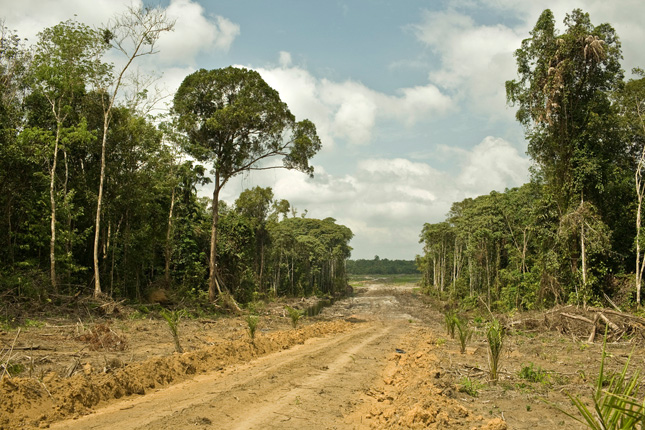
›In a research project spanning more than two dozen case studies on environmental governance in 13 sub-Saharan African countries, Jesse Ribot, professor at the University of Illinois, and colleagues found that while many forest management projects claimed to be working with communities, they were in fact undermining local democracy in various ways. -
A Survey of the “War on Wildlife”: How Conflict Affects Conservation
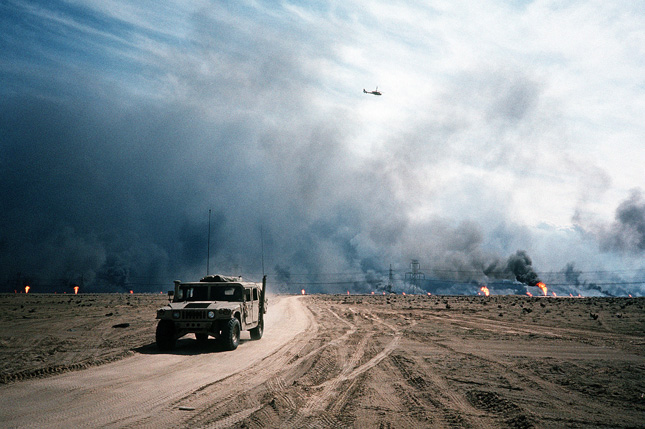
›Over the last 60 years, more than two-thirds of the world’s remaining biodiversity hotspots have experienced armed conflict. The effects have been myriad, from destruction as a result of military tactics to indirect socioeconomic and political changes, like human migration and displacement. This so-called “war on wildlife” has important implications for conservation and peacebuilding efforts, according to a recent literature review published in Frontiers in Ecology and the Environment.
-
In Ecuador, Indigenous Environmental Attitudes Affected by Proximity to Oil Extraction
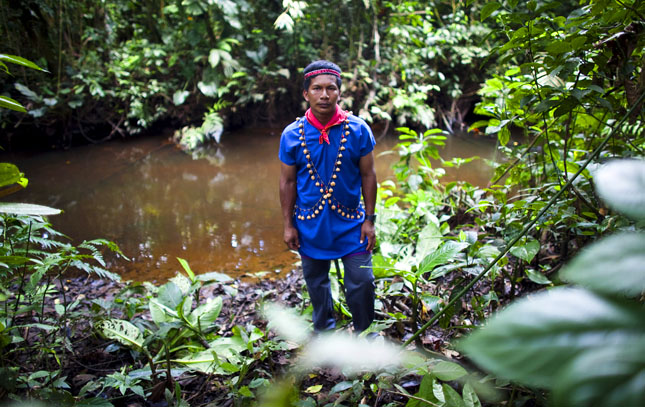
›True to essentialist stereotypes, Latin America’s indigenous peoples are the best stewards of the region’s rainforests. But the source of their enthusiasm for environmental protection is more complex than mere ascriptive traits or whether they speak native languages. What’s more, in a development that should be worrying to environmentalists, exposure to the negative effects of extractive industries appears to have a degrading effect on that enthusiasm.
-
15 Years of Environmental Peacemaking: Overcoming Challenges and Identifying Opportunities for Cooperation
›As the 1990s drew to a close, there was a sense that much of the momentum gained at the first Earth Summit on sustainable development, a positive, affirming environmental narrative, was waning.
-
Can We Save the World’s Remaining Forests? A Look at ‘Why REDD Will Fail’
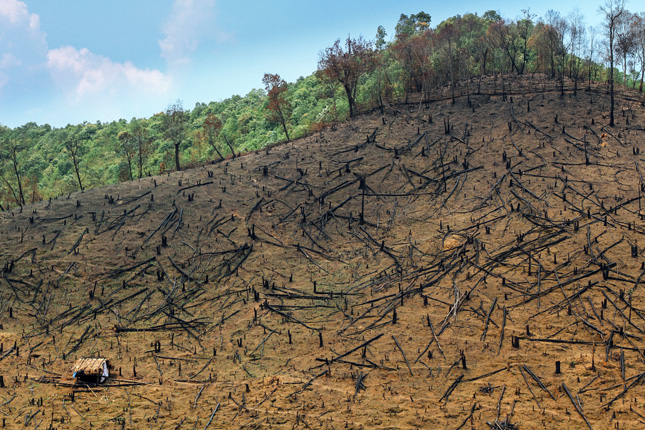
›As climate change threatens the stability of ecosystems around the world, the preservation of forests is seen as a “win-win” solution to curbing planet-warming emissions while producing value for developing country economies.
Showing posts from category forests.
 In a
In a