

-
Environmental Security Weekly Watch: September 1-5, 2025
›
A window into what we’re reading at the Stimson Center’s Environmental Security Program
Chinese Company Accused of Covering Up Extent of Major Toxic Mining Spill in Zambia (Associated Press)
In February, a dam collapse at Chinese-owned Sino-Metals Leach Zambia copper mine released toxic waste into the Kafue River, which provides water for over half of Zambia’s 21 million people. An independent investigation by South African company Drizit found that 1.5 million tons of toxic material were released in the spill, which is 30 times more than Sino-Metals admitted to spilling. When Drizit’s investigation was set to reveal extensive contamination verified through 3,500 samples, Sino-Metals terminated their contract one day before the final report was due.
-
Environmental Security Weekly Watch: August 25-29, 2025
›
Amazon Nations Sign Political Blueprint for Rainforest Protection (Associated Press)
Presidents from South America’s Amazon nations gathered in Colombia’s capital to sign the Declaration of Bogotá on August 22, 2025,. This political blueprint establishes cooperation across a region that spans over 2.5 million square miles and has a crucial role in to play as a massive carbon sink that slows global warming. Signatories hope that it is a sign that the region will move past political rhetoric to concrete actions.
-
Environmental Security Weekly Watch: August 4-8, 2025
›A window into what we’re reading at the Stimson Center’s Environmental Security Program
A Water Security Crisis Grips Pakistan’s Indus Delta (Al-Jazeera)
The Indus delta in Pakistan is experiencing severe environmental collapse as seawater intrusion makes farming and fishing impossible. Salinity levels have risen 70% since 1990, forcing tens of thousands from coastal districts. Over 1.2 million people from the broader delta region have abandoned their homes in the past two decades. The construction of irrigation canals and hydropower dams, compounded by the impacts of climate change on glacial melt, has accelerated the crisis and reduced downstream flow by 80% since the 1950s. More than 16% of fertile Indus delta land has become unproductive, as salt crusts cover the ground and boats must transport drinking water to the region’s remaining villages.
-
ECSP Weekly Watch | December 16 – 20
›A window into what we’re reading at the Wilson Center’s Environmental Change and Security Program
Humanitarians Highlight the Climate-Conflict Nexus (The New Humanitarian)
Climate change’s disproportionate impacts on vulnerable populations exacerbate socioeconomic inequalities and conflict, particularly during natural disasters. This vexed connection has led humanitarians and peacebuilders increasingly to address climate and conflict challenges together in order to provide integrated relief, recovery, and aid.
-
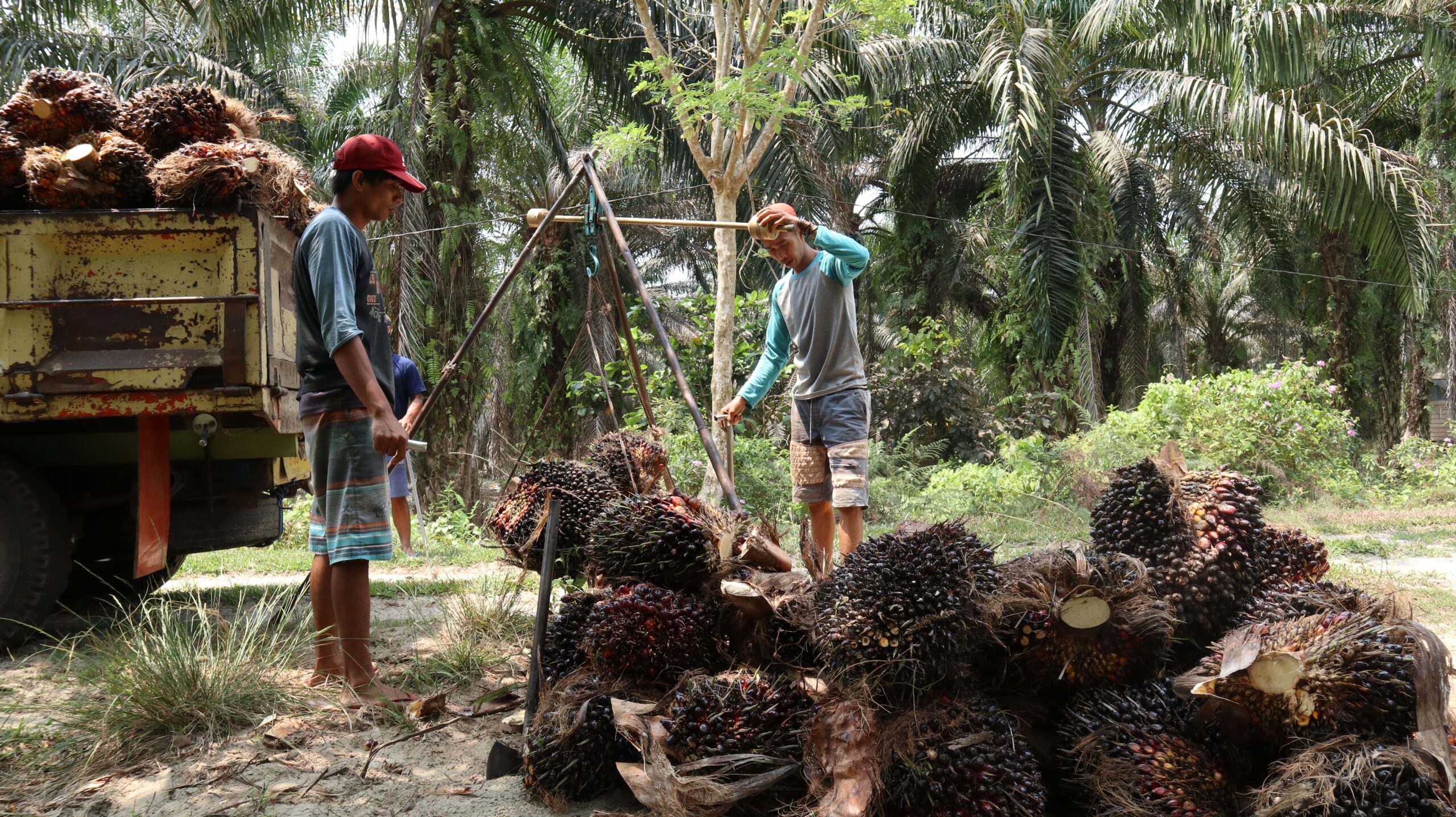
A Decade of Progress on Palm Oil Deforestation at Risk in Indonesia
›China Environment Forum // Guest Contributor // Vulnerable Deltas // October 24, 2024 // By Jason Jon Benedict & Robert HeilmayrIndonesia is the world’s largest producer and exporter of palm oil, an ingredient used globally in a huge variety of food and household products from peanut butter to shampoo. Yet it is also an important driver of deforestation and contributor to climate change and biodiversity loss. Over the past 20 years, the expansion of palm oil plantations has contributed one-third of the total loss of old-growth forests in Indonesia (around 3 million hectares).
-
ECSP Weekly Watch | September 16 – 20
›A window into what we’re reading at the Wilson Center’s Environmental Change and Security Program
COP29-Host Azerbaijan Accused of Hypocrisy (The Guardian)
Azerbaijan holds the presidency for the upcoming COP29 in November 2024, and it is using that platform to call for all member states to cease any ongoing conflict they are involved in during the two-week conference. The Central Asian country will also host a “peace day” on November 15, and is putting forth a COP29 Climate and Peace Initiative to support vulnerable countries and advance action in the climate and peace nexus.
-
ECSP Weekly Watch | July 15 – 19
›A window into what we are reading at the Wilson Center’s Environmental Change and Security Program
Shedding Light on Imperial Oil’s Dark Waters (Mongabay)
Canada has the fourth-largest tar sands (oil deposits) in the world. Separating the bitumen used in industries and construction creates large volumes of toxic wastewater, which is stored in tailings ponds that now cover a staggering 270 square kilometers. Unresolved infrastructure mishaps at one such site in Alberta operated by Imperial Oil means that contaminants have polluted nearby waters so significantly that it has affected public health and the livelihoods of indigenous communities in downstream areas.
-
The Arc | Dr. Renata Giannini on Women Environmental Defenders in the Amazon and Climate Mitigation
›In today’s episode of The Arc, ECSP’s Angus Soderberg and Claire Doyle interview Wilson Center Fellow Dr. Renata Giannini about her work with women environmental defenders in the Amazon and their role at COP30 in Brazil. Select quotes from the interview are featured below.
Showing posts from category forests.
 In today’s episode of The Arc, ECSP’s Angus Soderberg and Claire Doyle interview Wilson Center Fellow Dr. Renata Giannini about her work with women environmental defenders in the Amazon and their role at COP30 in Brazil. Select quotes from the interview are featured below.

