-
ECSP Weekly Watch: April 1 – 5
›
A window into what we are reading at the Wilson Center’s Environmental Change and Security Program
Indonesia’s Deforestation Intensifies Extreme Weather Impacts (Associated Press)
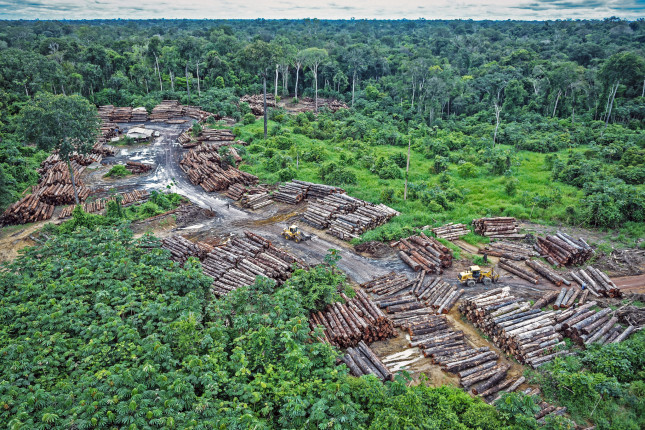
Indonesia’s vast biodiverse forests have long sustained livelihoods, food supplies, medicine, and cultural practices. Yet the past seven decades have put them under threat. Since 1950, over 74 million hectares, or nearly 286,000 square miles, of rainforest has been logged, burned, or degraded. The country’s key industries—palm oil, paper, rubber, and mining for oil and critical minerals—are largely to blame. This is occurring in a specific context: Indonesia is not only one of the largest global CO2 emitters globally, but it is also highly vulnerable to climate change—particularly climate change-induced extreme weather events.
-
Money Can Grow on Trees: Forestry Rights Reform for Decarbonization in China
›
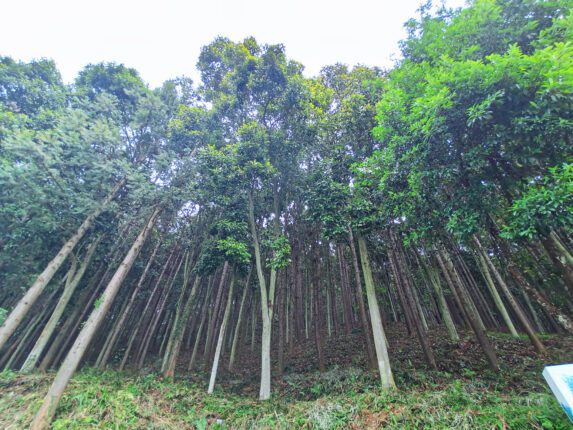
High in the remote mountains of western Fujian Province, Changkou—part of Sanming Prefectural City—became the first village to launch a new forestry carbon ticket system in May 2021. Changkou farmers have long received little benefit in managing forests because of fragmented forest land, high investment risks, and limited ownership rights. To solve those problems, the Sanming Forestry Bureau issued tickets to forestry farmers, granting them the right to receive stocks on their plots of forests by cooperating with farms in a certain period. Meanwhile, the carbon tickets grant farmers the right to earn carbon emission credits for their land and trees.
-
Is the Chinese Market Hungry for Carbon-Neutral Beef?
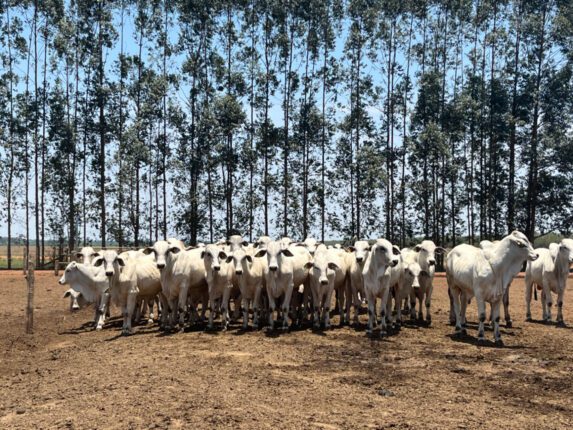
›Days before Brazilian President da Silva Feb visited China in late March 2023, China resumed its beef imports from Brazil after a temporary ban due to an earlier discovery of Mad Cow Disease. Brazil quickly bounced back as the top exporter of beef to China, a country hungry for it. With the continuous growth of China’s economy, population, urbanization, and increasing income levels, there has been an increased demand for high-protein foods. Among these, beef has become a highly sought-after delicacy. Since 2012, China has transitioned from a net exporter to a net importer of beef, primarily relying on countries like Brazil.
-
Local Environmental Governance to Reduce Conflict and Deforestation in Afghanistan
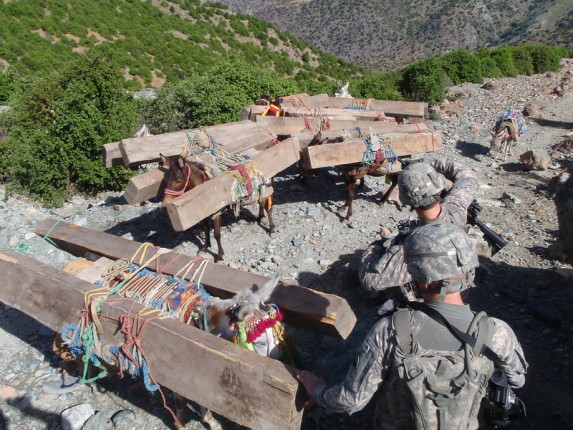
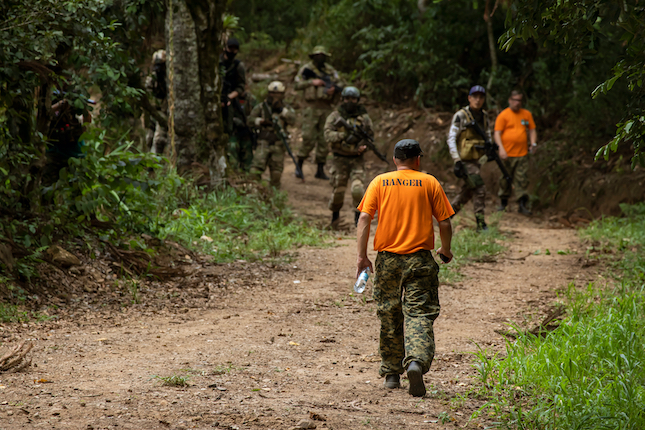
›How should the international community support the stabilization of Afghanistan after U.S. and NATO troops withdraw? Answers from President Biden, high ranking U.S. administration officials, and lawmakers have focused on funding the Afghan military and police and remotely retaining U.S. lethal capacity. Development aid is mentioned only in the vaguest of terms. But as withdrawal plans solidify, peace and resilience against insurgencies urgently require the administration to shift the focus to development and include support for local environmental governance. Looking at how crucial forests are to Afghanistan’s local economy and governance systems, we sketch the resource-conflict links and propose possibilities for local, environmental governance that the international community could support to quell insurgency and build the political, economic, and environmental foundations for peace in the country.
-
Sharon Guynup, Mongabay
Can ‘Slow Food’ save Brazil’s fast-vanishing Cerrado savanna?
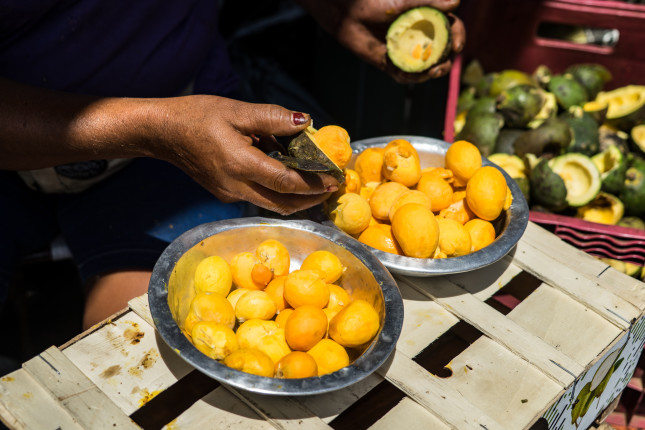
›April 2, 2021 // By Wilson Center StaffIt’s November in southeast Brazil, and the tall, feathery macaúba palms (Acrocomia aculeata) are beginning to drop ripe coconuts. By January, the ground is littered with them, as some 67 families that live nearby, outside the town of Jaboticatubas, get to work dragging the trove home.
This coconut serves as the lifeblood for these traditional farming communities in the Cerrado savanna in Minas Gerais state, Brazil. Archaeological sites trace its use back to at least 9,000 B.C.
Every part of the all-purpose coconut is used, from its delicious yellowish flesh to the nut at its core. It’s a favorite kids’ snack, and is used to make a highly nutritious flour, baked into bread and cookies. Livestock eat it too.
-
Climate Change Front and Center in U.S. and Brazil Relations in Biden-Bolsonaro Era
›As the warm relationship between U.S. President Donald Trump and Brazil President Jair Bolsonaro comes to an end with the former’s electoral defeat in November 2020, the next two years (Bolsonaro is up for reelection in 2022) could prove to be strenuous for the bilateral relations of the two largest economies in the Western Hemisphere. President-elect Biden has signaled that combatting climate change will be a priority in his administration. Now, without the cover of a U.S. administration that denies climate change, Brazil could become further isolated in international environmental politics. All of this complicates the political realities for President Bolsonaro, whose political survival depends on maintaining his coalition of fanatical supporters, the agricultural sector, and former and current members of the military. Still, given U.S. concerns about Chinese influence in the region, the Biden-Bolsonaro relationship could prove to be low-key and practical.
-
Climate Change Will Make the Brazilian Military’s Role More Difficult, Finds New Report
›“It is in Brazil’s interest to climate-proof the nation,” said Wilson Center Senior Fellow Sherri Goodman during a recent International Military Council on Climate and Security (IMCCS) event. Referencing a new IMCCS report, Climate and Security in Brazil, Goodman, who is also Secretary General for the IMCCS, said that Brazilian leaders ought to develop counter-deforestation and climate plans as critical elements of the national security agenda.
-
Climate War in the Sahel? Pastoral Insecurity in West Africa Is Not What It Seems
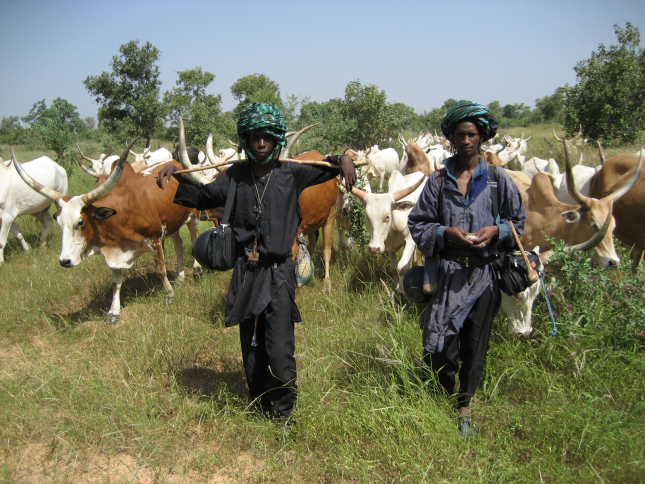
›As violence in Mali and Burkina Faso reached a ten-year high this year, the West African Sahel appears to be experiencing the perfect storm of climate stress, resource degradation, and violent extremism. At the center of that storm, one finds livestock herders—pastoralists—who are both vulnerable to environmental changes in the region, and historically marginalized from politics. Conflict in the region looks like a harbinger of the climate wars to come—but is it really? In research produced for Search for Common Ground, Andrew McDonnell and I found that while competition for land and water resources has increased dramatically across the region, violence associated with pastoralism emerges from a much more complex set of factors. Not surprisingly, the decisive conflict variable is governance.
Showing posts from category forests.