

-
Jill Schwartz, World Wildlife Fund
In Nepal, Community Health Workers Take on Conservation Too
›November 12, 2014 // By Wilson Center Staff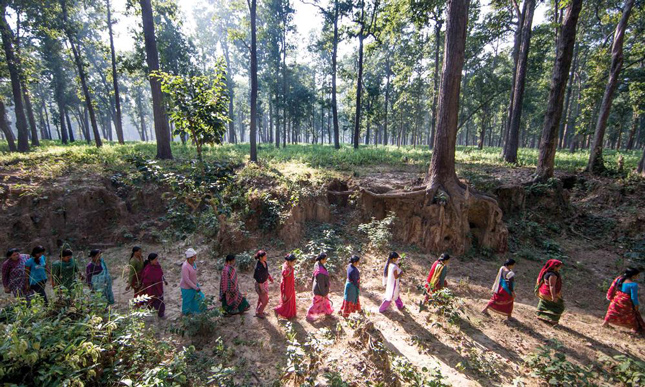
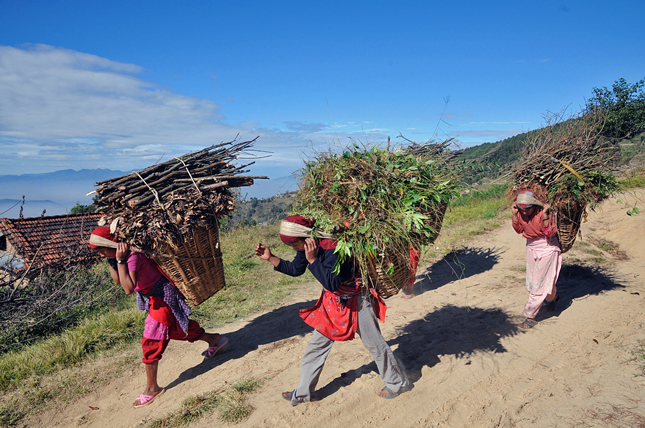
At high noon, Devi KC is still deep in the daily chores she started at sunrise: brewing tea and cooking a meal of rice, lentils and spinach for her husband and teenage son; pumping and hauling water from the nearby well; harvesting hay from her field; and sweeping road dirt from her front porch.
-
Earth Pushes Back: Era of Indifference Greets Droughts, Floods, Storms, Tsunamis
›
There’s nothing demur about Mother Earth these days. She’s fuming and pushing back hard. Very hard.
-
The Making of a Tragedy: Inequality, Mistrust, Environmental Change Drive Ebola Epidemic
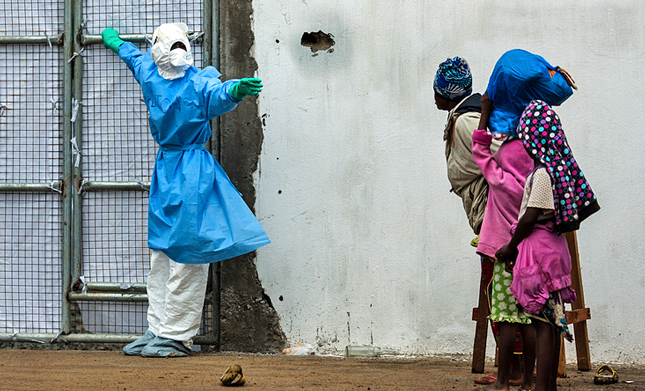
›October 9, 2014 // By Laurie MazurIn August, armed men stormed an Ebola clinic in Monrovia, Liberia, releasing infected patients and stealing contaminated bedding. The following month, eight health workers were attacked and killed in a Guinean village as they tried to educate residents about the deadly disease; their bodies were found in a village latrine. Days later, Red Cross workers in western Guinea were assaulted as they tried to collect and bury Ebola victims.
-
High Poverty: Medicinal Plants Offer Way Forward for Nepal’s Mountain Communities
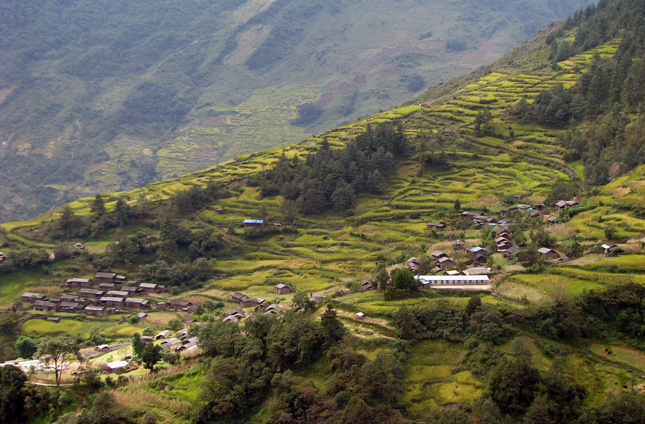
›In a tiny village called Chepuwa in the Sankhuwasabha district of Nepal, high in the Himalayas and almost four days’ trek from the nearest road, Mikmar Bhote has been growing and selling medicinal and aromatic plants for five years.
-
Book Review: ‘Oil Sparks in the Amazon: Local Conflicts, Indigenous Populations, and Natural Resources’
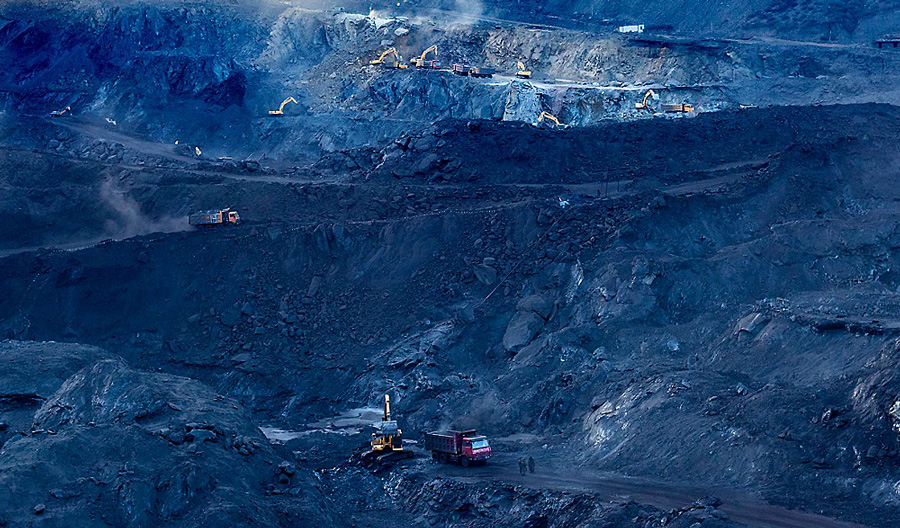
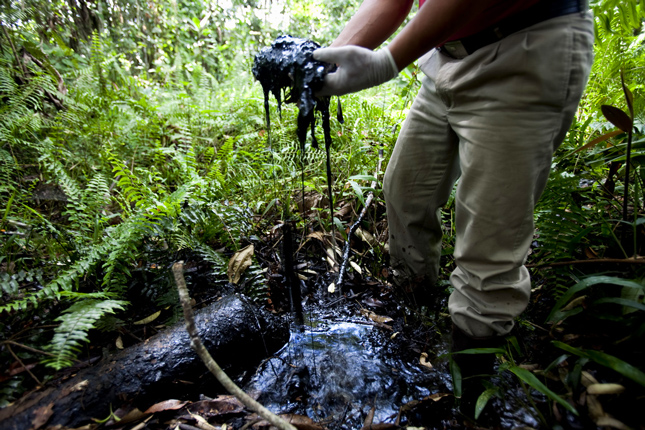
›August 18, 2014 // By Roger-Mark De SouzaSince the early 1990s, the rising price of crude oil and other key natural resources – and the resulting drive by governments and private companies to extract those resources – has led to sharp conflicts in Latin America. At the core of these disputes is the clash between national economic interest and the rights of indigenous people inhabiting the land where most natural resources are located.
-
Alice Thomas: For Refugees, Environmental Recovery Critical for Return to Normalcy
›
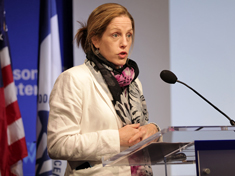
There are now well over 16 million refugees worldwide and 65 million people internally displaced by conflict and disasters, according to recent estimates. As more and more people are uprooted from their homes, mounting environmental pressures threaten to reinforce cycles of poverty and displacement if left unaddressed, says Alice Thomas in this week’s podcast.
-
From the PHE Conference in Addis Ababa, a Progress Report on Integrated Development
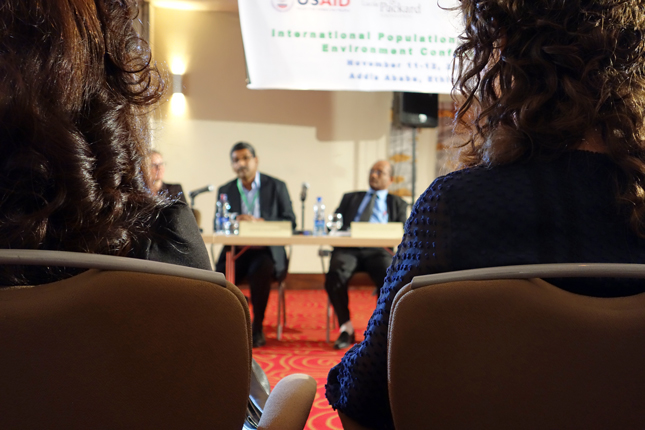
›My grandmother was pleased when I told her I was heading to Ethiopia last November for an international conference focused on population, health, and the environment.
-
No REDD+ Program Is an Island: Integrating Gender Into Forest Conservation Efforts
›Since 2005, the Reducing Emissions from Deforestation and Forest Degradation program (REDD+) has functioned as a mechanism to financially incentivize the preservation of forestlands in order to reduce greenhouse gas emissions. But beyond its original use, some organizations have also started exploring ways it can help with other development initiatives, like women’s empowerment. [Video Below]
Showing posts from category forests.
 Since 2005, the

