-
“People Need Nature to Thrive”: Recovering From Conflict Through Conservation in Timor-Leste
›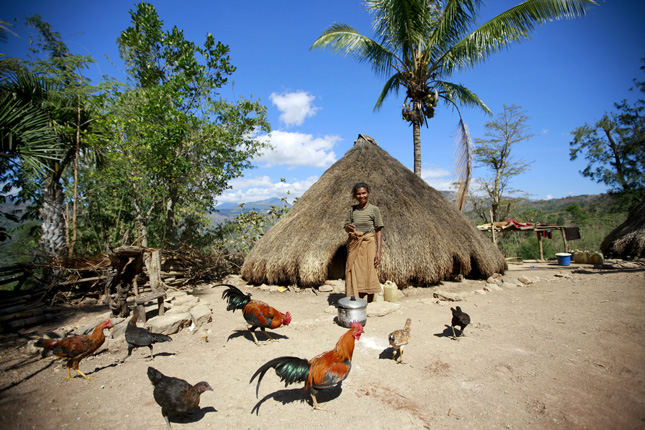
In my tiny, half-an-island country of Timor-Leste, cemeteries smell of jasmine and come to life on All Saints’ Day. Families have picnics and kids roam wild over the tombstones. Here, stepping on somebody else’s family tombstones is not seen as an offense but as the norm; after all, since there isn’t enough land to hold so many graves, not stepping on one is impossible unless you have mastered levitation.
-
Soil Security and Incorporating Forestry Into Food Security Strategies
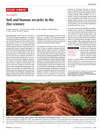
› Earth’s thin upper-crust of soil is kept in balance by a complex carbon and nutrient cycle that is increasingly threatened by human exploitation and climate change, according to a review in Science. The chemicals trapped in topsoil and subsoil are crucial to plant growth, but are being depleted at rates much higher than they are being replenished, writes Ronald Amundson et al. For instance in the central United States, estimated soil erosion rates exceed production rates by 10 times.
 -
European Parliament Passes Conflict-Minerals Bill; UN Releases Report on Money Flows in DRC
›A new report prepared by the UN Environment Program and UN peacekeeping operation in the Democratic Republic of Congo (known as MONUSCO) found that just two percent of the total value of illicit natural resources smuggled from the country comes back to armed groups. Still, these funds, which amount to around $13 million a year, allow some 25 to 49 groups to continue operating in the country’s war-torn eastern provinces. Much more, as much as 50 percent, ends up in the hands of transnational criminal networks with the remaining profits flowing to individuals or companies elsewhere in the DRC or in Uganda, Rwanda, and Burundi. -
From One Generation to the Next: New Wilson Center Film Explores Integrated Development in Ethiopia
›June 17, 2015 // By Sean PeoplesOn a warm January afternoon, Tesema Merga, a village elder in Endibir, Ethiopia, surveyed the latest improvements to the long dirt road just outside his house. Eventually this road will be paved, which will bring significant changes to the community.
-
Do Population, Health, and Environment Projects Work? A Review of the Evidence
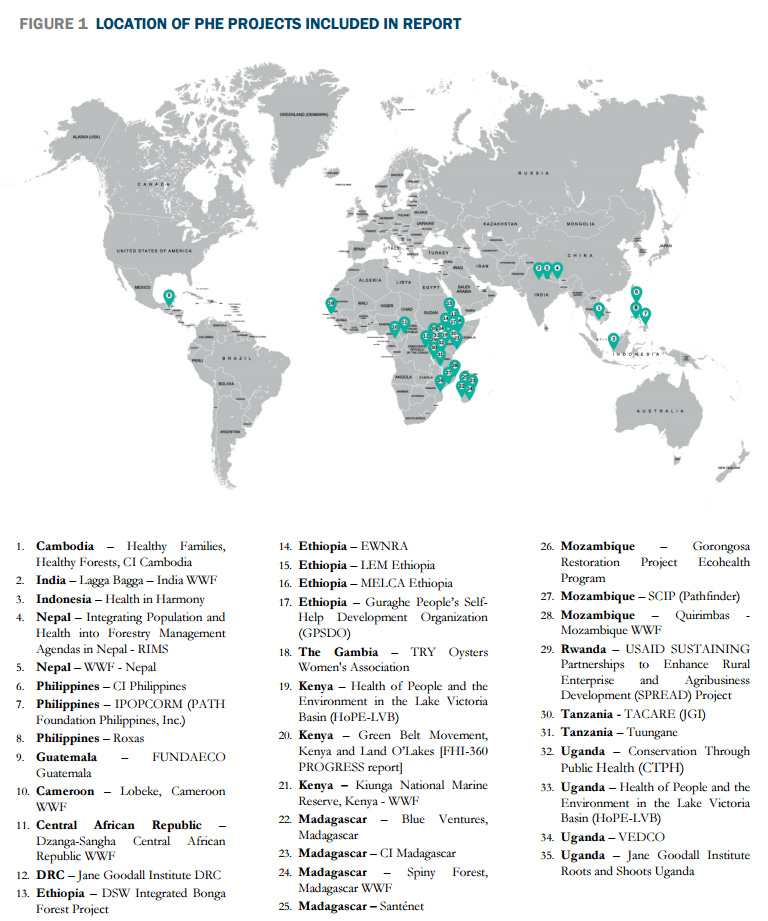
›Frequent readers of New Security Beat are no strangers to the PHE approach to development – projects, often community-based, that integrate population, health, and environmental programming in a single intervention. Practitioners suggest that such integrated programming is more effective and efficient than running simultaneous siloed projects, each focusing on a narrower objective. But does the evidence support this conclusion? How effective is the PHE approach?
-
Saplings and Contraceptives: Results From a Population, Health, and Environment Project in Kenya
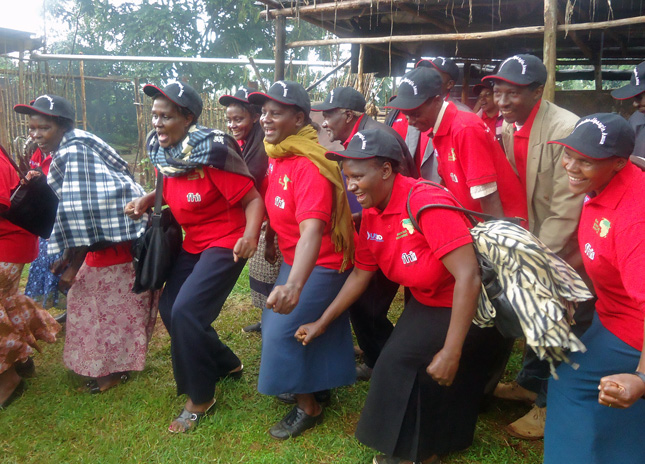
›East African countries like Kenya have made great strides in recent decades in increasing access to modern contraception, leading to marked declines in fertility rates. But disparities remain.
-
The Role of the Private Sector in Solving Asia’s Environmental Emergency: Interview With Mark Clifford
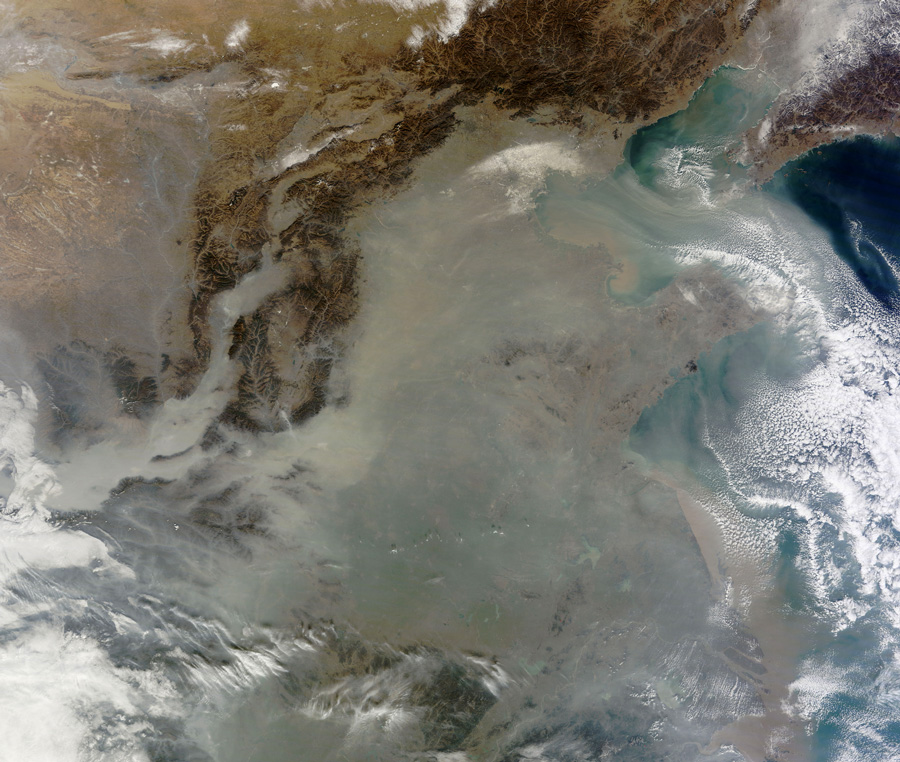
›From smoggy skies to rancid rivers and staggering slums, environmental challenges loom large for Asia. While much has been said about the role of government and NGOs in achieving a sustainable future, Mark Clifford, executive director of the Asia Business Council, believes companies are an indispensable but often overlooked part of the solution.
-
Blood Teak: Changing the Calculus of Myanmar’s Ethnic Conflicts
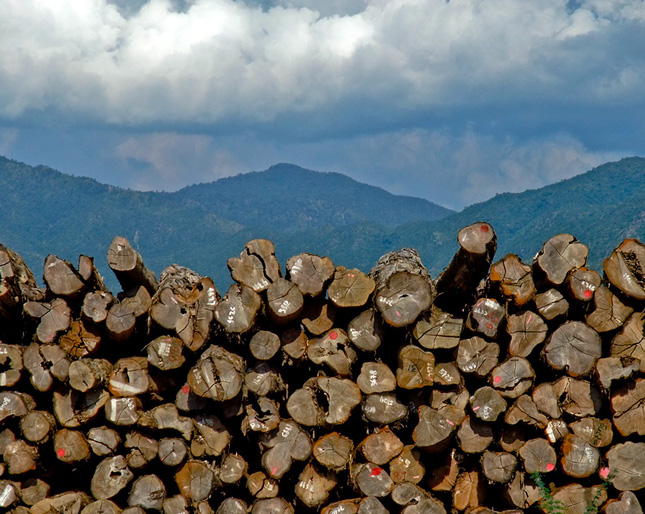
›On March 30, the government of Myanmar and an umbrella group of 16 ethnic minority groups agreed to a draft agreement for a “nationwide ceasefire” to end decades of conflict in the country’s northern reaches. But even as the latest ceasefire was being made, two armed groups, the Myanmar National Democratic Alliance Army (MNDAA) and the Kachin Independence Army (KIA), were in open conflict with the Burmese military. Fighting in Kokang and Kachin has led to casualties in the triple digits and displaced an estimated 100,000 civilians.
Showing posts from category forests.