-
Prized Natural Resources Are Rarely Addressed in Peace Agreements
›February 10, 2016 // By Haodan "Heather" Chen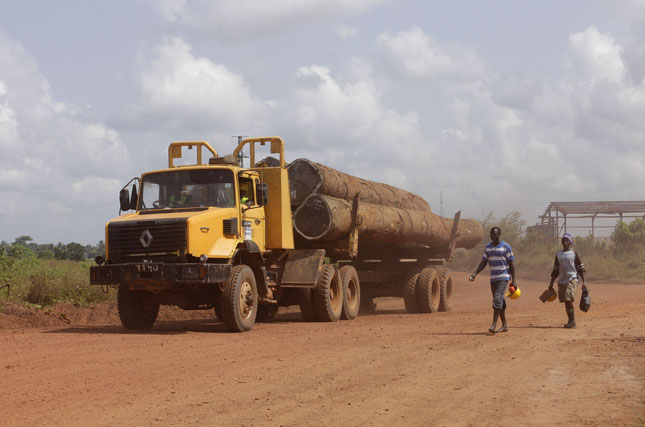
Despite evidence that natural resources play a major role in many conflicts – 40 percent of all civil wars since the end of the Cold War, according to an estimate by the UN Environment Program – a study conducted by Arthur G. Blundell and Emily E. Harwell for the NGO Forest Trends reveals that most ceasefire and peace agreements do not address natural resources.
-
India’s Thirst for Palm Oil, New South-South Trade Patterns Cast Doubt on Sustainability Initiatives
›
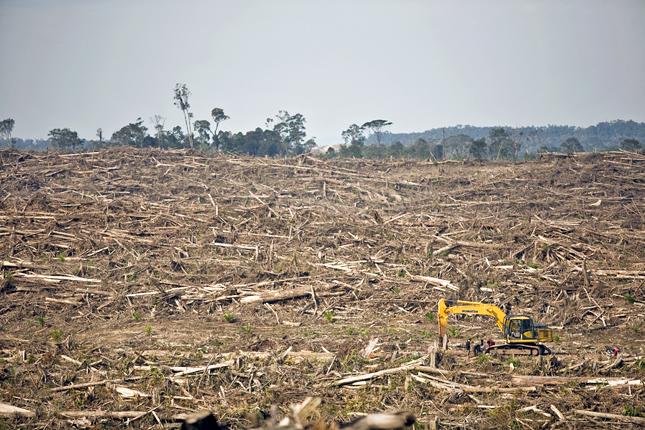
Patterns of trade and consumption in the global food system are shifting. In the past, most trade in agricultural commodities occurred between developed and developing countries. But, in recent years, the volume of South-to-South trade has increased significantly. Today, some of the most problematic crops in terms of their effect on the environment, such as soy and palm oil, are predominantly traded amongst developing and fast-rising countries.
-
In Morocco, a Microcosm of What Leads Many to Leave Their Home Countries
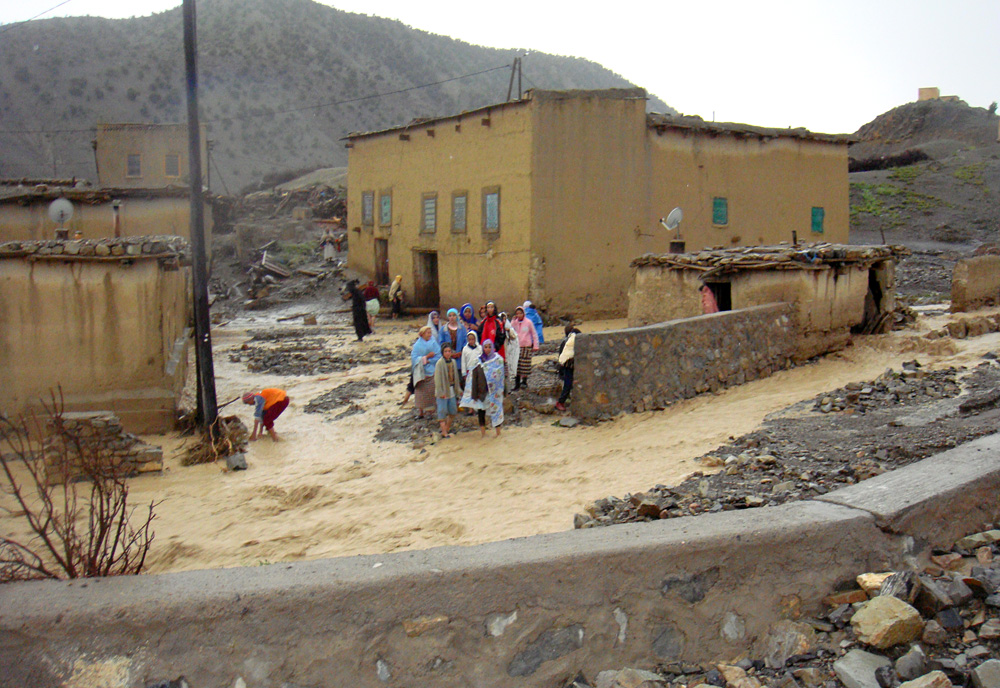
›Global attention is understandably focused on Syrian refugees, but the migration crisis in Europe is part of a bigger trend that climate and social scientists have been warning about for years.
-
Will a Welcome Peace Derail Colombia’s Sustainable Development Plans?
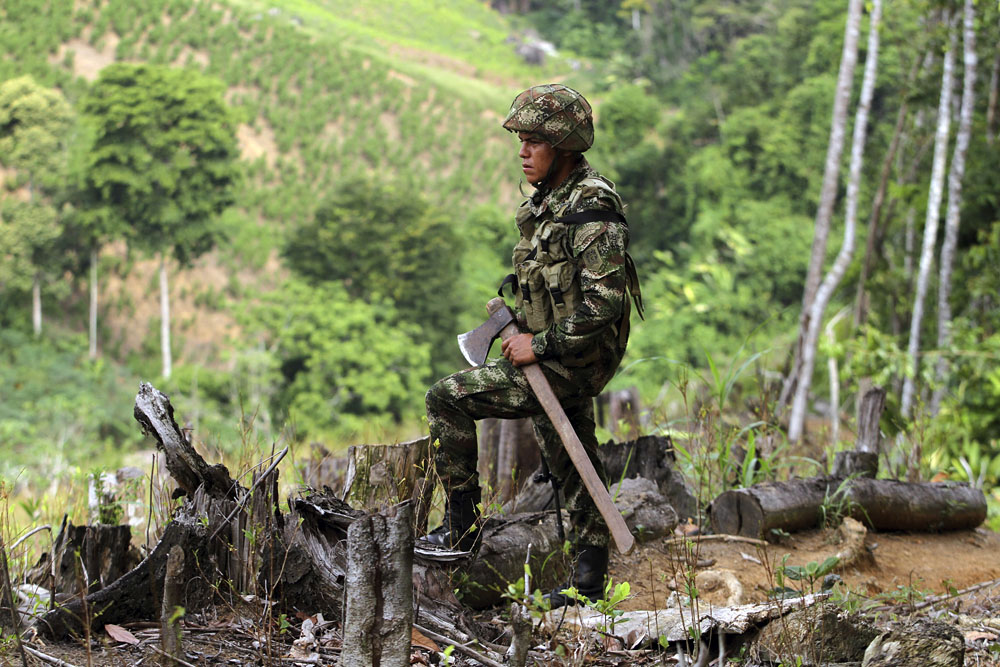
›When Colombia is in the news, it’s not necessarily for the reasons we Colombians would like. We have lived through 50 years of violent conflict. Peace is a very abstract idea to most of us. Despite this we are still some of the happiest people on Earth.
-
Lisa Palmer, Yale Environment 360
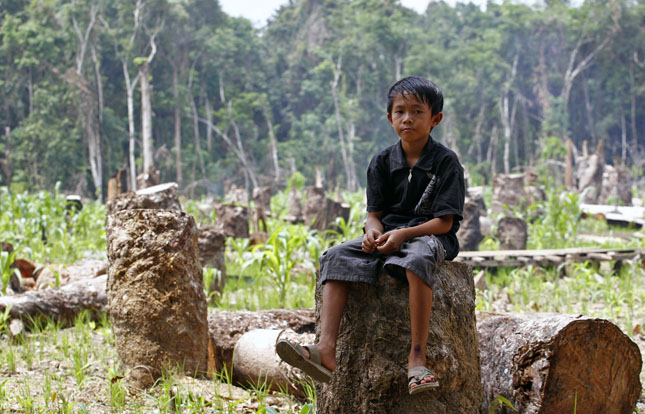
Will Indonesian Fires Spark Reform of Rogue Forest Sector?
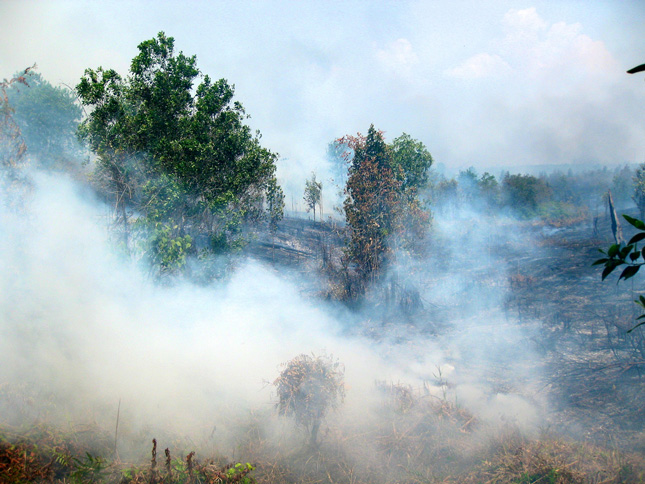
›November 11, 2015 // By Wilson Center StaffThe fires that blazed in Indonesia’s rainforests in 1982 and 1983 came as a shock. The logging industry had embarked on a decades-long pillaging of the country’s woodlands, opening up the canopy and drying out the carbon-rich peat soils. Preceded by an unusually long El Niño-related dry season, the forest fires lasted for months, sending vast clouds of smoke across Southeast Asia.
-
Sam Eaton, PRI’s The World
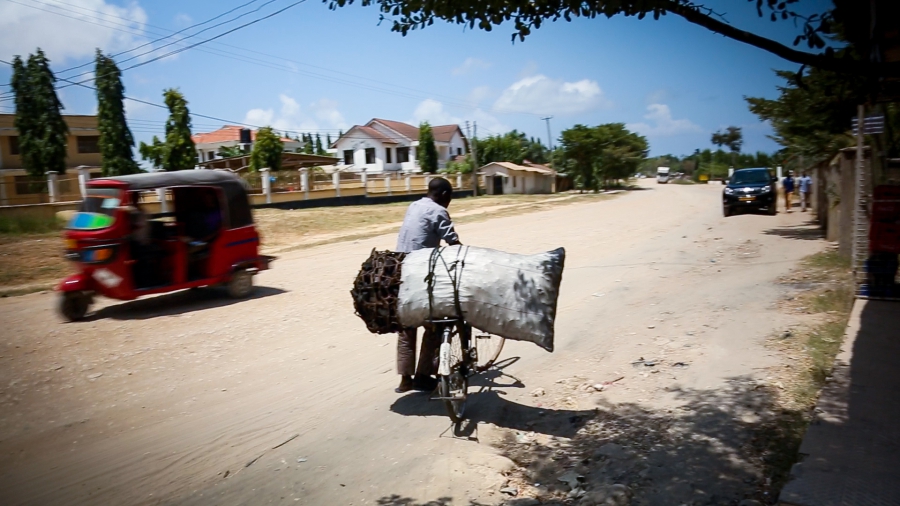
Tanzania Tries to Turn Charcoal Trade From Enemy to Friend of the Forest
›October 28, 2015 // By Wilson Center StaffRashidy Kazeuka says a forest cleared for charcoal is a silent and desolate place. No birds or other wildlife, just a barren, dried out landscape.
-
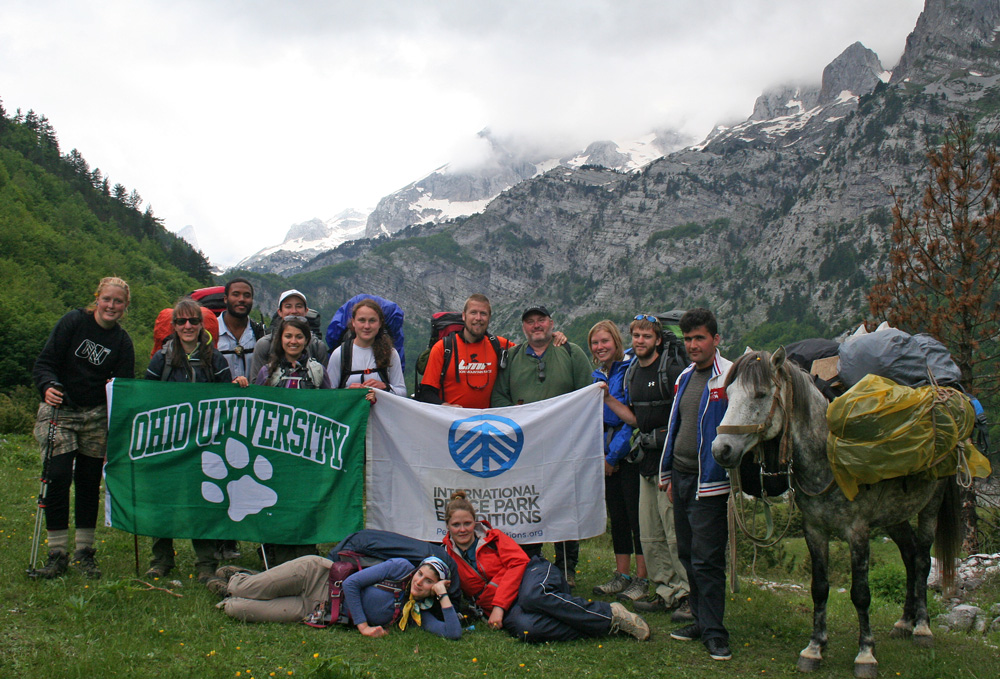
Peace Park Expedition to Balkans Reveals Tensions Over Development, Rule of Law for New Governments
›One of the last biodiversity hotspots in Europe was also backdrop to one of its last violent conflicts and now home to its newest nation states. The Prokletije/Bjeshket e Nemuna Mountains, often referred to as the Southern Alps, are a large expanse of wilderness and stunning alpine landscapes that form the border between Montenegro, Albania, and Kosovo. Three national parks share borders and form a patchwork of protected land that could be the basis for an international peace park – a shared resource that could promote cross-cultural exchange collaborative natural resource management, and eco-tourism.
-
Who Benefits From REDD+? Lessons From India, Tanzania, and Mexico
›REDD+, a global framework designed to reward governments for preserving forests, has pledged nearly $10 billion to developing countries. But minorities, indigenous people, the poor, and other marginalized groups that live in forest areas often end up paying more than their fair share of the costs of environmental cleanup and conservation while getting less in return. What can be done to change this?
Showing posts from category forests.