-
COP27: Growing Roles for Agriculture and Food Security
›
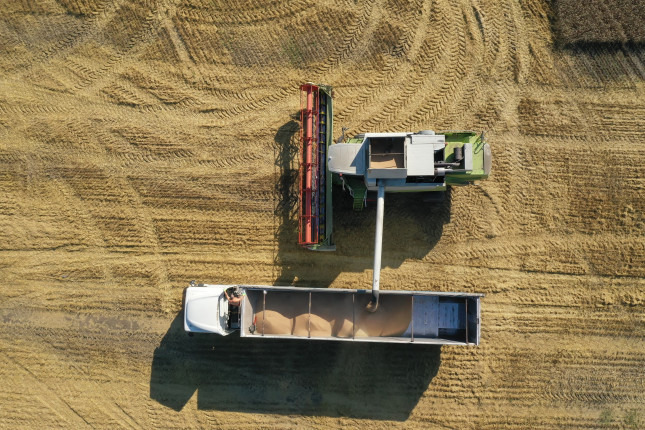
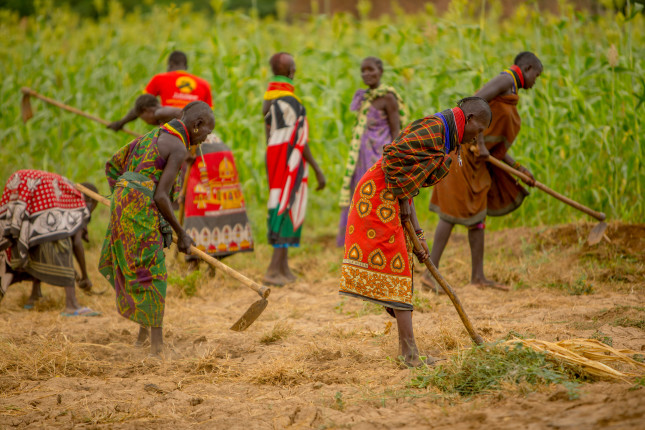
Every year, more than two billion farmers around the world work the land day in and day out to earn a living and produce what is needed to feed and clothe an ever-growing global population that reached 8 billion in November 2022. Though they bear the brunt of climate change on the front lines, many of the world’s farmers, ranchers and fishers are unaware of the international processes that affect their livelihoods.
-
New Analysis by Peter Schwartzstein: How Water Strategizing is Remaking the Middle East
›
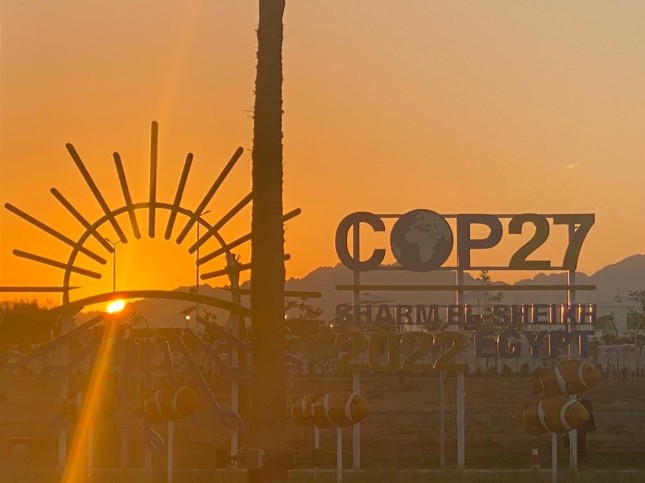
In the run up to COP 27 in Sharm El-Sheikh, Egypt, the first summit of its kind to be hosted in the region, water is rising on the agenda, and for good reason. In a new essay for the Wilson Center, Global Fellow Peter Schwartzstein explores how governments across the Middle East are approaching a world with less water – and to what effect. Drawing on a decade of environmental reportage from the Middle East, Schwartzstein sketches out how, why, and with what consequences states have adopted often dramatically divergent strategies.
-
Food Security as a Driver for Sustainable Peace in Kenya
›“The food system is complex; it is not just about food production,” said Florence Odiwuor, a Kenyan Southern Voices for Peacebuilding Scholar, at a recent event on the role of food security systems in sustainable peacebuilding in Africa hosted by the Wilson Center’s Africa Program. As a lecturer at the School of Agriculture, Natural Resources, and Environmental Studies at Rongo University, Odiwour observed that given the food system’s interconnectedness with issues like education, gender, finance, and labor, “disruptions or failures in the [food] system have caused a lot of conflict in [Kenya].”
-
Fishing for Equity and Inclusion: Women’s Socioeconomic Factors in Kenyan Fisheries
›August 29, 2022 // By Margaret GatonyeSeeing Loreta sort and dry her Omena sardines at the shores of Lake Victoria in Western Kenya, one may dismiss this small, middle-aged woman as an ordinary fishmonger struggling to earn a living. -
Agricultural Land in Russian Territorial and Geopolitical Ambitions
›The negative impacts on global food security wrought by Russia’s war in Ukraine are obvious. But recent news that Russia currently occupies more than one fifth of Ukrainian farmland, draws attention to another dimension of this politically-induced food and agricultural crisis: land itself. Of course, territory has long been an object of conflict and warfare. But agricultural land—in particular—is also a key, though understated, dimension of the geopolitical ambitions undergirding Russian activity at home and abroad.
-
Addressing the Global Food Crisis: CIMMYT Experts Weigh In
›The confluence of climate change, COVID-19, and the war in Ukraine have placed enormous stress on food systems across the globe. Food insecurity spiked in 2020 and has stayed high, and the number of undernourished people is on the rise. -
Top 5 Posts for June 2022
›From climate change to COVID-19 and the war in Ukraine, the world is a landscape of increasing instability. Book-ending the Top 5 posts of June are two articles that explore different aspects of these converging risks. In the top post for June, Steven Gale and Mat Burrows write that globally, younger generations are becoming increasingly disengaged and discontent with their democratic governments, civil society, and institutions. Youth disillusionment is not a result of ignorance to current affairs, but rather a lack of faith in democratic institutions to address today’s most pressing global issues. Tackling youth disillusionment, suggest Gale and Burrows, begins with examining youth engagement trends and placing it at the top of the agenda.
-
In a Time of Competing Crises, Environmental Action Matters More than Ever
›Guest Contributor // June 3, 2022 // By Richard Black, Cedric de Coning, Geoffrey D. Dabelko, Hafsa Maalim, Melvis Ndiloseh, Dan Smith & Caspar TrimmerLast week saw the launch of SIPRI’s major policy report Environment of Peace: Security in a New Era of Risk, looking at how to manage the growing risks emerging at the nexus of environmental degradation, peace and security.
Showing posts from category food security.
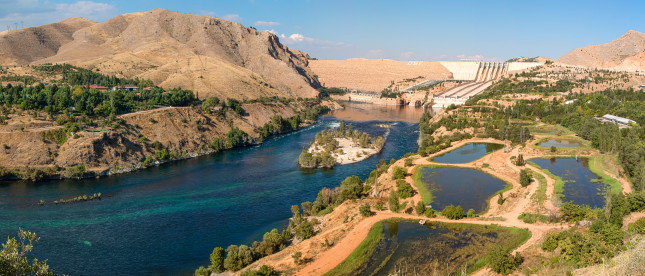
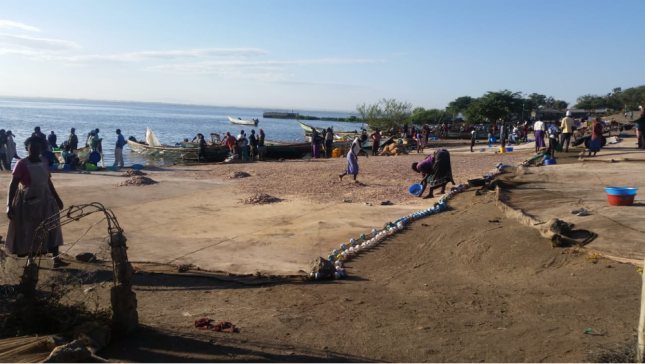 Seeing Loreta sort and dry her Omena sardines at the shores of Lake Victoria in Western Kenya, one may dismiss this small, middle-aged woman as an ordinary fishmonger struggling to earn a living.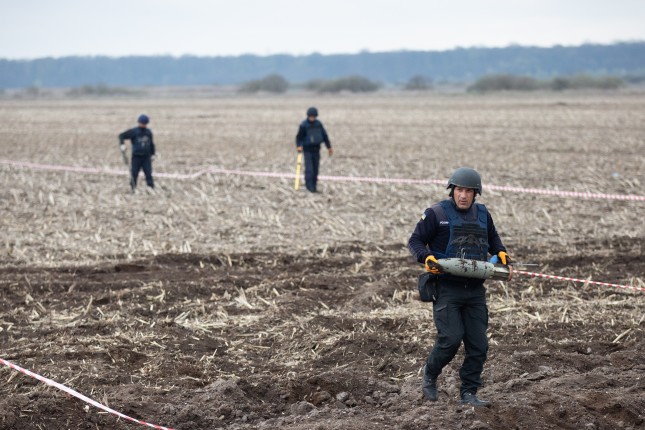
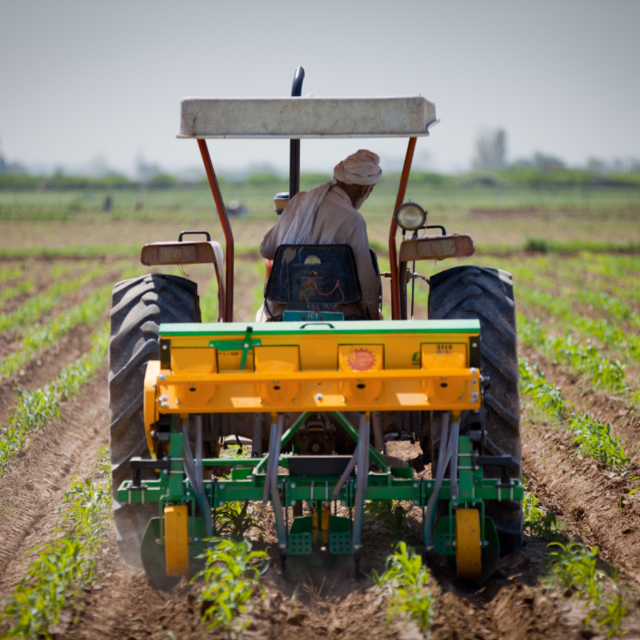 The confluence of climate change, COVID-19, and the war in Ukraine have placed enormous stress on food systems across the globe.