-
Bottom-up Moo-vement: Reducing Methane Emissions from US and Chinese Cows
›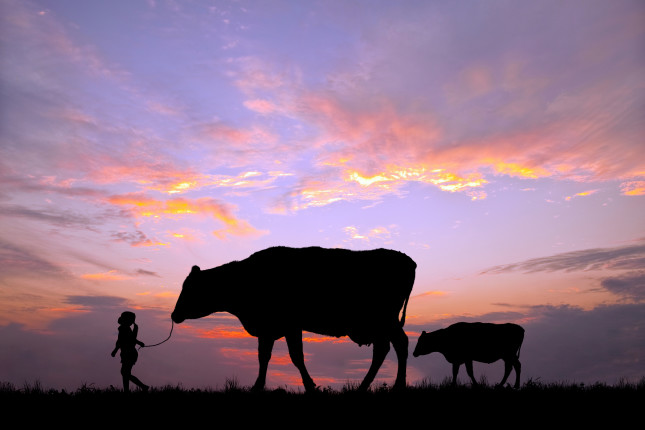
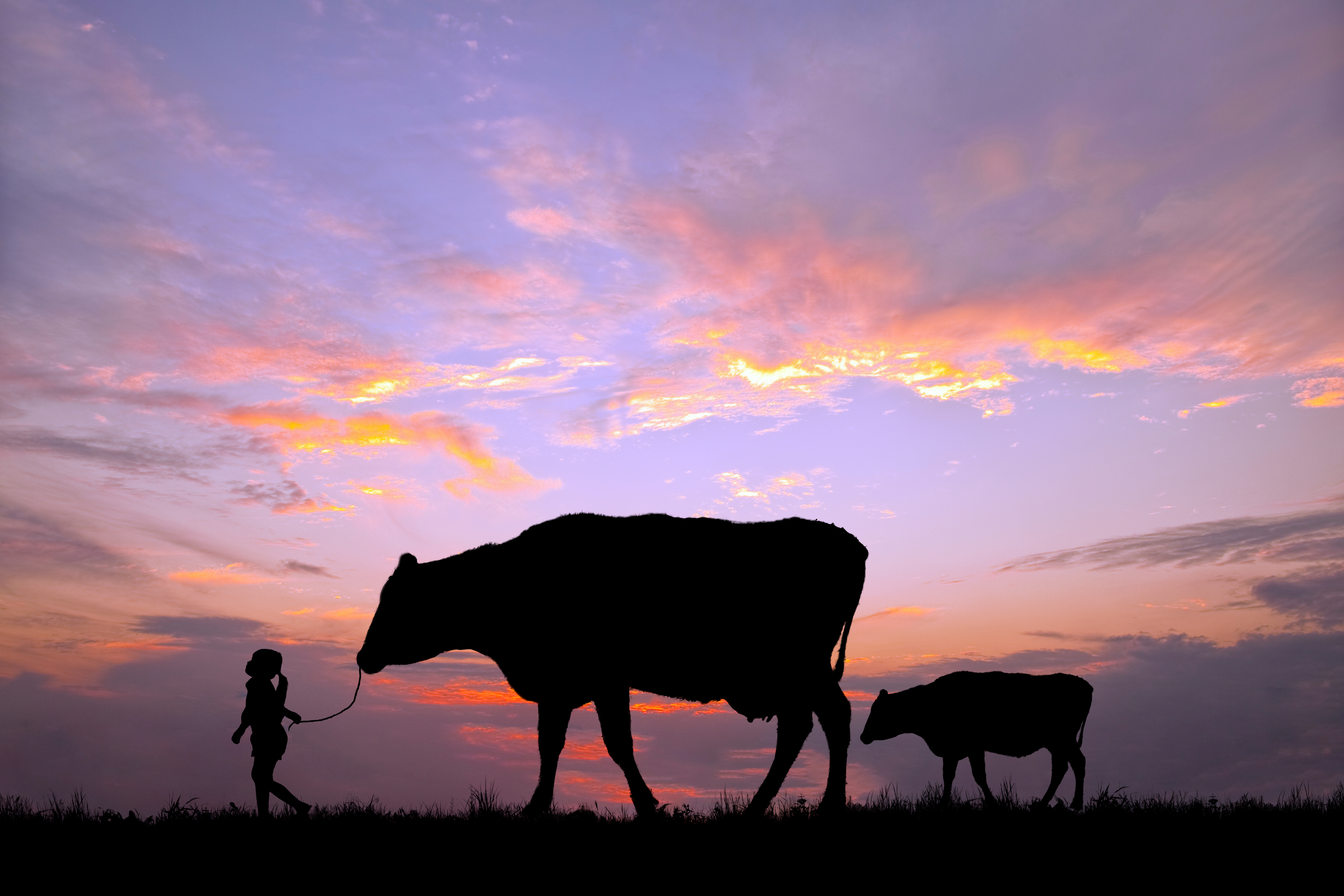
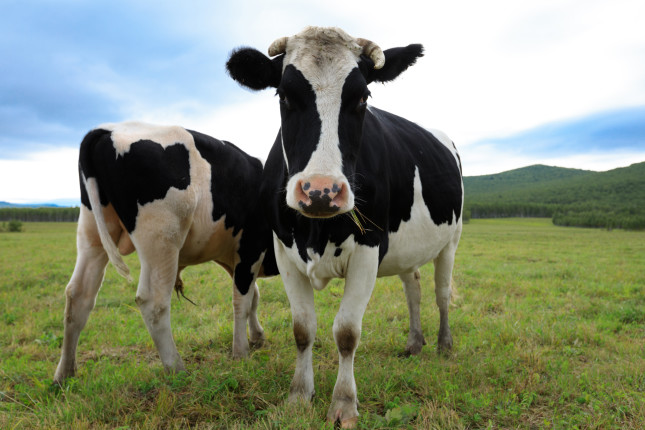
When cows eat, they burp. And what they exhale generates almost a third of global methane emissions – a greenhouse gas 80 times more potent in warming the climate than CO2. So tracking this short-lived climate gas is crucial.
Six miles from Bakersfield, California, at the Bear 5 cow feedlot, this work is starting to happen. High-resolution satellites are being used for the first time at the feedlot to track methane emissions from cow burps. Measuring cow belches from space is bringing critical attention to the brewing climate issues from cows. After all, the methane produced by these gassy animals in one year at Bear 5 cow feedlot alone could power more than 15,000 homes in California.
-
Tackling Challenges in the MENA Region: Climate, Food Security, and Migration
›
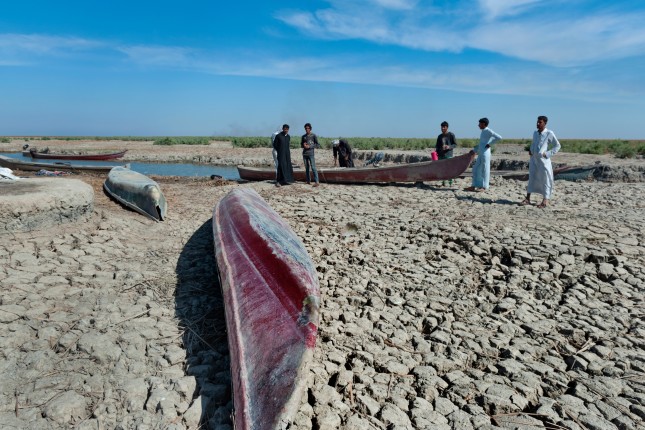
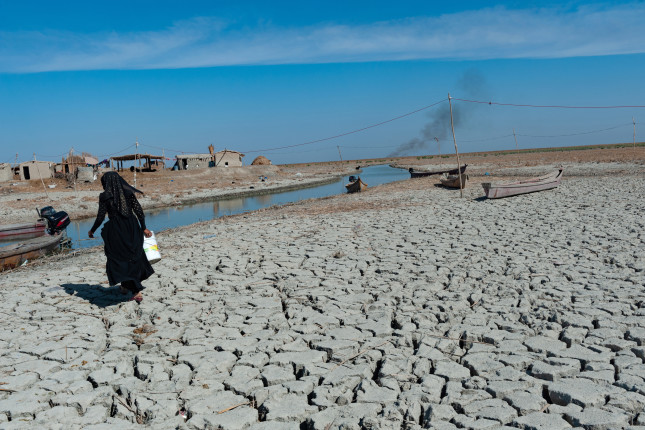
At a recent Brookings Institution event titled Climate Change, Food Insecurity, and Migration in the Middle East, Ferid Belhaj, Vice President for the Middle East and North Africa (MENA) at the World Bank, observed that the MENA region relies heavily on grain exported from both Ukraine and Russia. When the 2022 invasion reduced grain exports to a trickle, the entire region suffered heavily.
-
What’s Next in Climate Security Studies? Exploiting Synergies Between Practice and Research
›The increase in global temperatures by over 1 degree Celsius since preindustrial times is already having broad and significant impacts. An ongoing multi-year drought in Eastern Africa, for instance, has been attributed to global warming. Hunger crises, displacement, and exacerbated conflict between pastoralist groups are some of the reported dire consequences.
-
New Security Broadcast | The Link Between Food Insecurity and Conflict: A New Report from World Food Program USA
›To better understand the complex dynamics of global hunger and the urgent need for more collective action to address this humanitarian crisis, Chase Sova, Senior Director of Public Policy and Research at World Food Program USA, and his colleagues recently launched a new report, “Dangerously Hungry.” In today’s episode of New Security Broadcast, ECSP Program Coordinator and Communications Specialist, Abegail Anderson, speaks with Sova about the report’s analysis on the current state of global hunger and its devastating impacts on vulnerable populations. -
How is Climate Change Affecting MENA? Local Experts Weigh In
›From the Wilson Center // April 21, 2023 // By Khalil Abu Allan, Eslam A. Hassanein, Gokce Sencan & Neeshad ShafiFor Earth Day 2023, members of the Agents of Change Youth Fellowship answered this question: What is the biggest environmental or climate change related challenge facing your community today? Their responses reveal a pattern of vulnerability facing the MENA region.
-
Shaken to The Core: The Plight of Syrian Refugees After February’s Earthquake
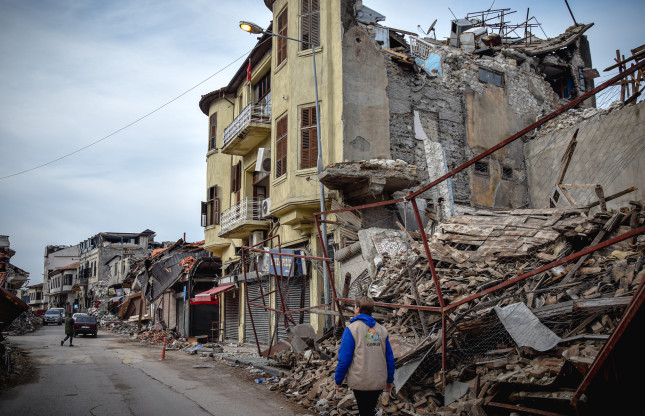
›Madiha vaguely remembers her family fleeing war-torn Syria. But even a decade later, she still bursts into tears describing their midnight escape across the border to Turkey. She and her family were forced to flee after losing family members in a civil war in which they had no stake.
Little did Madiha—who is now 11 years old—and her family know they would experience another monumental trauma a decade later. This time, it was a 7.8 magnitude earthquake that rocked large swaths of southern Turkey on early February 6, 2023.
The roof they built with their own hands collapsed over their heads, killing several of Madiha’s nieces and siblings. “A large piece of brick fell on my mother’s leg, but she luckily survived,” she said tearfully.
-
Milking the Dairy Industry for Lower Greenhouse Gas Emissions in China
›When Kevin Chen began his agricultural research 20 years ago, most dairy farms in China were small and family-owned. People of his generation did not grow up with milk deliveries or ice cream. Today, however, these farms have been replaced by massive agri-businesses raising tens of thousands of dairy cows, and dairy is a regular part of many people’s diets in China, thanks to rising incomes and years of governmental promotion of cheese, yogurt, and milk.
-
Rice: A Recipe for Greenhouse Gas Emissions in the U. S. and China?
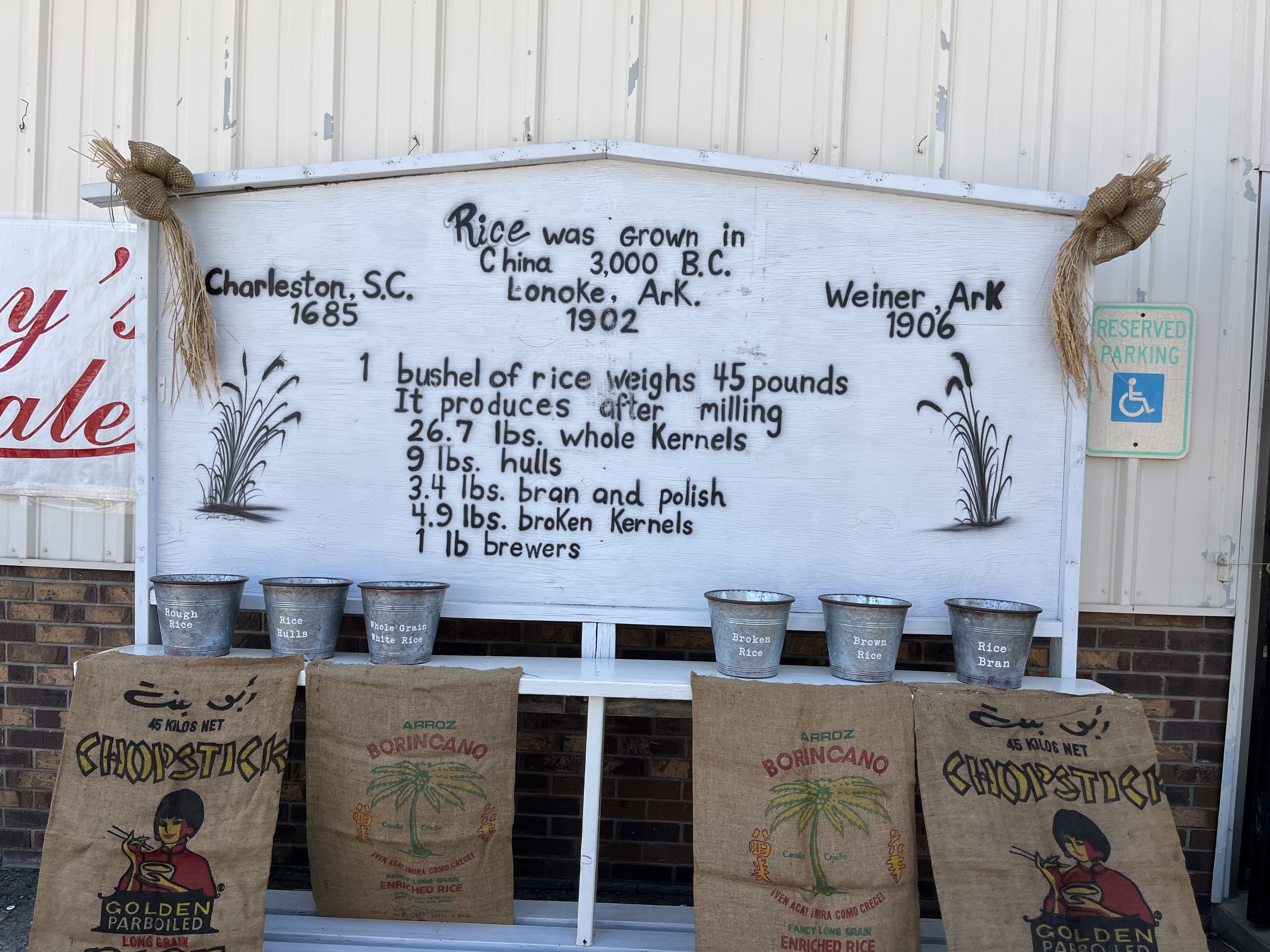
›Go to the Arkansas Rice Festival in Wiener, Arkansas and you will discover how delicious – and diversely flavored – this cereal grain can be. Savory, sweet, or even spicy: Each dish at the festival’s annual rice recipe contest shows the many ways to prepare this international food staple.
Why look to Arkansas for rice? The state produces 4 million tons of it every year, which is nearly half the rice grown in the United States. But that U.S. annual total is dwarfed by the amount produced by China, which at 207 million tons is the world’s largest rice producer. It’s also natural that the world looks to China for rice; genomic mapping has suggested that cultivated rice was first grown in the Pearl River valley in southern China.
Showing posts from category food security.