-
System Shock: Russia’s War and Global Food, Energy, and Mineral Supply Chains
›
Russia’s invasion of Ukraine is sending shockwaves through global systems for natural resources like food, oil and natural gas, and critical minerals. But a recent Wilson Center event assessing the fallout of the conflict also looked to the deeper implications and lessons from the crisis.
-
Grains and Hydrocarbons: The Middle East and the War in Ukraine
›May 3, 2022 // By Achref Chibani
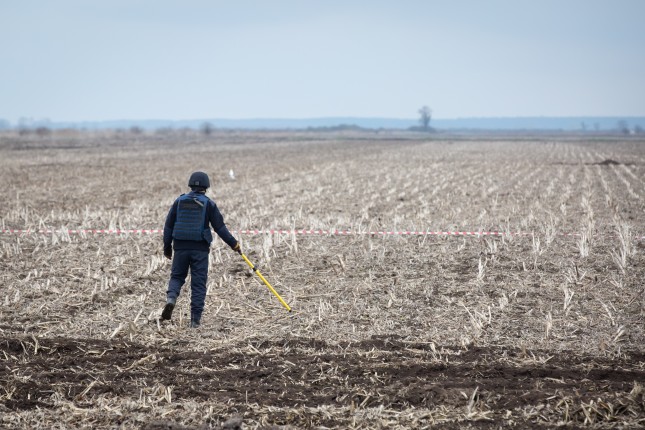
The war in Ukraine is likely to have immediate effects on many countries in the MENA region. Ukraine is an important global producer of sunflower oil and grain, and alongside Russia, it provides a third of the world’s wheat and barley. Russia’s invasion also will severely disrupt food transport logistics within Ukraine and across its borders due to the suspension of shipping from Ukraine’s commercial ports.
-
Food and Water Security Solutions: Reflections on Mitigating Climate-induced Population Displacement in Africa
›Almost two years after Cyclone Idai hit Mozambique, Zimbabwe, and Malawi, thousands of people remain displaced. At the time, Idai was the most powerful cyclone to hit the Southern Hemisphere in two decades, but it is no longer an anomaly. Worse, the Word Bank reports that climate change can potentially wipe out decades of social and economic progress in the developing world by displacing millions of people, many of whom will be pushed into poverty. Food and water insecurity connected to climate hazards—particularly in places dependent on agriculture—is a major factor which has forced families and whole communities to relocate for safety and subsistence.
-
Food as a Pathway to Peace: COVID, Climate, and the Hunger-Conflict Nexus
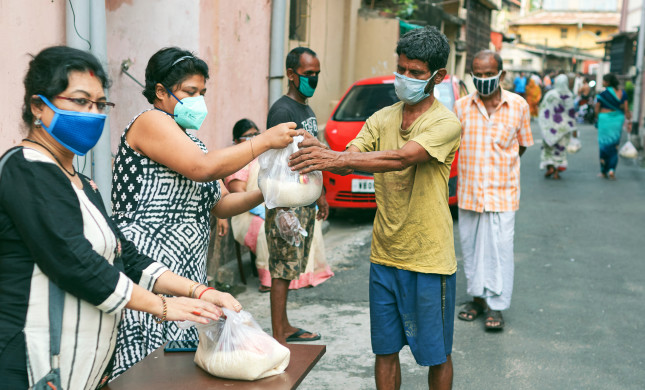
›“We produce more than enough food for the world’s population, but more and more people have been growing hungry in recent years,” said Kelly McFarland, Director of Programs and Research at the Institute for the Study of Diplomacy (ISD) at Georgetown University, during a panel discussion on COVID, Conflict, and Climate co-hosted by ISD and the Stimson Center’s Global Governance, Justice & Security, and Food Security Programs.
-
Towards Better Protecting the Environment in Armed Conflict
›Environmental dimensions of armed conflicts
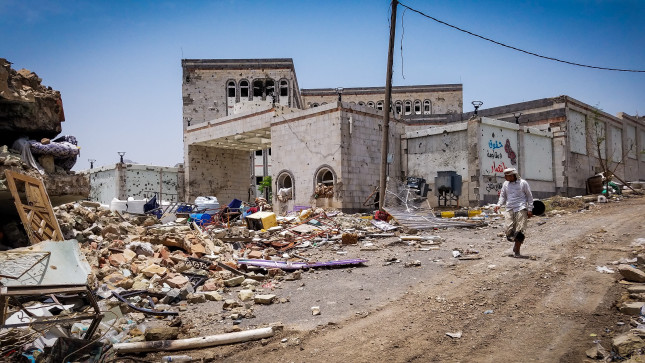
Years of armed conflict have devastated Yemen’s environment, contributing to one of the worst humanitarian crises in the world. Attacks on water infrastructure cut off thousands of people from access to safe drinking water, exacerbating a cholera outbreak that has caused an estimated 4,000 deaths since April 2017. Fighting also damaged Yemen’s agricultural infrastructure, contributing to the food insecurity of an estimated 16.2 million people.
-
Sharon Guynup, Mongabay
Can ‘Slow Food’ save Brazil’s fast-vanishing Cerrado savanna?
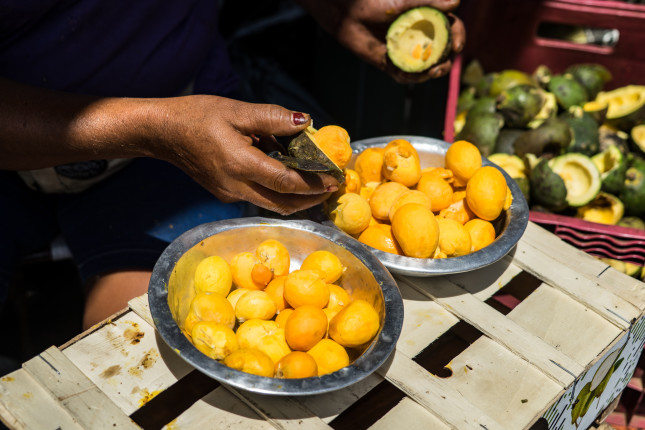
›April 2, 2021 // By Wilson Center StaffIt’s November in southeast Brazil, and the tall, feathery macaúba palms (Acrocomia aculeata) are beginning to drop ripe coconuts. By January, the ground is littered with them, as some 67 families that live nearby, outside the town of Jaboticatubas, get to work dragging the trove home.
This coconut serves as the lifeblood for these traditional farming communities in the Cerrado savanna in Minas Gerais state, Brazil. Archaeological sites trace its use back to at least 9,000 B.C.
Every part of the all-purpose coconut is used, from its delicious yellowish flesh to the nut at its core. It’s a favorite kids’ snack, and is used to make a highly nutritious flour, baked into bread and cookies. Livestock eat it too.
-
Experts Spotlight Bottom-Up Approaches and the Impacts of Conflict on Infrastructure in the Next Wave of Environmental Peacebuilding
›“For 30 years, a community of researchers, practitioners, and policymakers have been working to untangle the complex relationships between environmental change and human and national security, and find entry points for policies and programs that build on these connections to create a more resilient and sustainable peace,” said Lauren Risi, Project Director of the Wilson Center’s Environmental Change & Security Program at a recent event that featured contributors to a new special issue of International Affairs on environmental peacebuilding.
-
Four International Water Stories to Watch in 2021
›The travails of the last year, when a bat virus infected humans and turned the world upside down, were an unfortunate reminder of the inseparable ties between society and the natural environment.
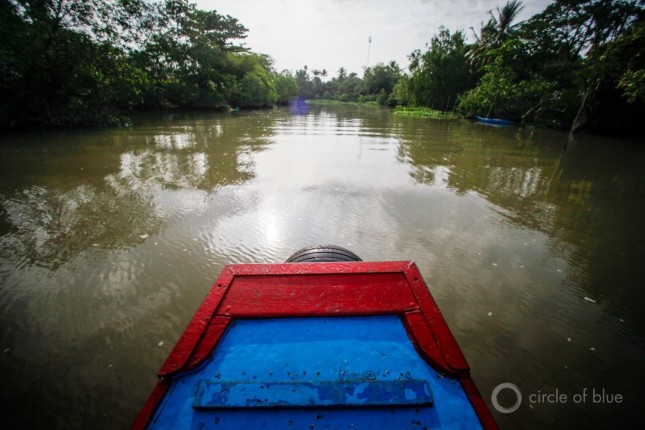
So it is with water, which will again this year direct the course of history, through events small and large.
What are the large events to pay attention to? What are the trends and flashpoints?
Showing posts from category food security.