-
How Infrastructure Helps Determine the Risk of Violence Following Drought
›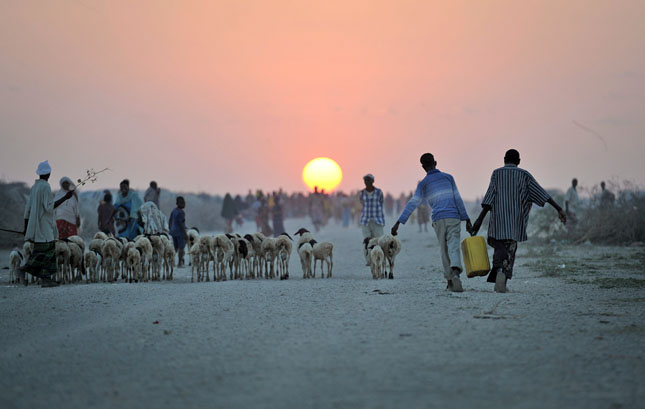
One fear of climate change is that more variable weather conditions will lead to violence and chaos in some places. But looking at it methodically, do erratic weather conditions actually lead to violent conflict and political instability? Not necessarily.
-
Inside a Data-Driven Attempt to Fight Spoilage in U.S. Food Aid
›
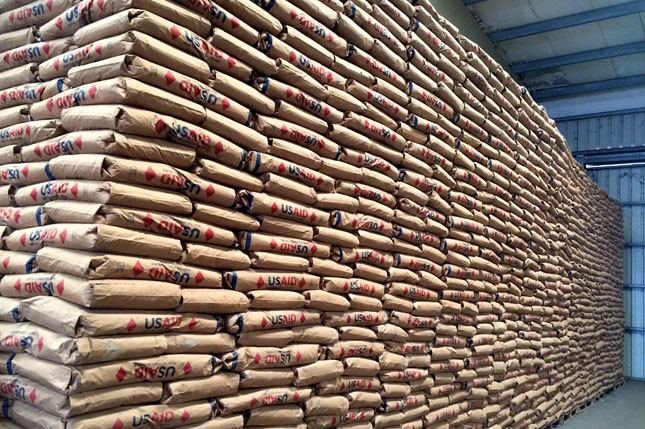
Today, as El Niño-related droughts impact communities across East and Southern Africa, food aid shipment and distribution networks have shifted into high gear. From the U.S. Agency for International Development to the United Nations World Food Program and NGOs like CARE and Save the Children, food aid providers are stocking port warehouses in Djibouti and South Africa, as well as inland warehouses in countries like Ethiopia, Zimbabwe, and Lesotho.
-
HoPE for Sustainable Development: Results From an Integrated Approach in East Africa
›The Sustainable Development Goals (SDGs) are an ambitious framework for reducing poverty and improving the lives of billions of people. They were agreed to last year by governments at the United Nations and cover developing and developed countries alike. But how will governments, NGOs, and other organizations go about actually accomplishing them over the next 15 years? [Video Below]
-
Conflict in Food Producing and Consuming Communities, and How to Help Women in the DRC
›A working paper by Eoin Mcguire (Brown University) and Marshall Burke (Stanford University) examines the impact of food price increases on conflict in Africa. Under the hypothesis that negative income shocks contribute to the outbreak of conflict, the authors compare the effect of significant increases in food prices in communities that predominantly produce food to the effect in those that predominantly consume food. In food producing areas, conflict driven by food surplus allocations increased but conflict driven by territorial factors decreased. -
Finding Resilience in the Aftermath of Cyclone Roanu in Bangladesh
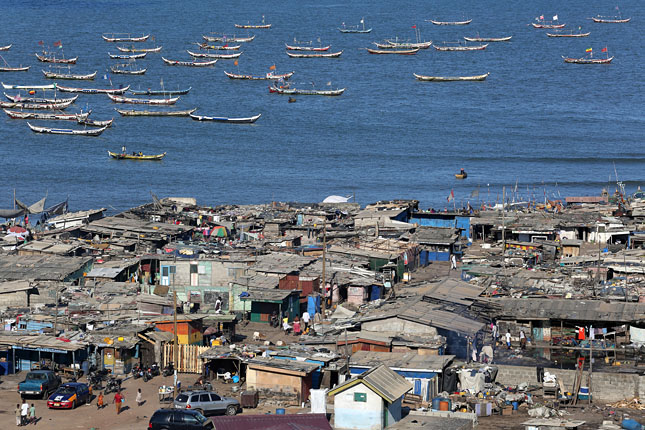
›In 1970, Cyclone Bhola slammed into East Pakistan – present day Bangladesh – with sustained winds of 150 miles per hour, killing as many as half a million people. In 2007, Cyclone Sidr killed 3,406 people in Bangladesh. This year, Cyclone Roanu killed just 30. What’s behind this huge decline in mortality? What has Bangladesh done differently?
-
Military Leaders Urge South Asian Countries to Put Aside Animosities in Face of Common Climate Threat
›July 6, 2016 // By Sreya PanugantiDespite a long history of confrontation and simmering tensions, three senior retired military leaders from Pakistan, Bangladesh, and India urge the nations of South Asia to unite around a common rising threat in a new report.
-
Perception Matters: New Insights Into What Determines Resilience
›Resilience is increasingly recognized as a powerful concept to help practitioners, academics, and policymakers better understand how people respond to shocks and stressors, and how those responses can be linked to longer-term positive or negative development outcomes, such as wellbeing or food (in)security.
-
What Makes Agriculture Vulnerable to Climate Change, and the Mortality Effects of Fruit and Vegetable Scarcity
›Gains in food production and increased awareness of global food security are threatened by looming losses due to climate change, according to a study published in The Lancet. Marco Springmann et al. calculate that climate change will lead to a 3.2 percent reduction in global food availability per person by 2050, driven by changes in weather patterns, increasing frequency of extreme weather, and potential social disruptions to food production like disease and conflict.
Showing posts from category food security.