-
In Sustainable Development and Conflict Resolution, Women Seeing Larger Roles
›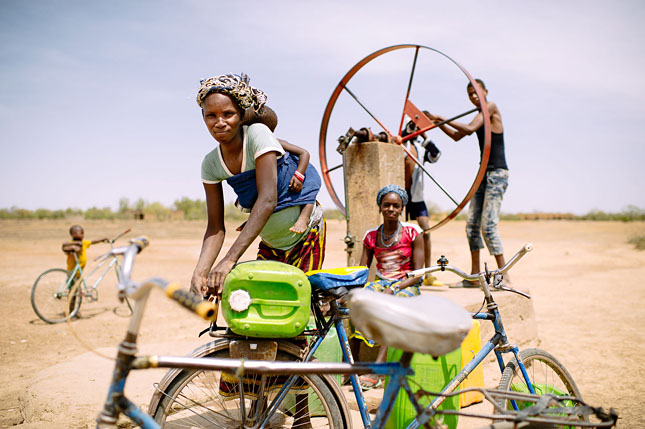
It used to be a luxury to talk about the environment when you were addressing conflict. Today, “we recognize it’s not a luxury anymore,” said Liz Hume, senior director for programs at the Alliance for Peacebuilding, at the Wilson Center on April 29. Similarly, gender dynamics are now being recognized as playing a critical role in sustainable development and peacebuilding. [Video Below]
-
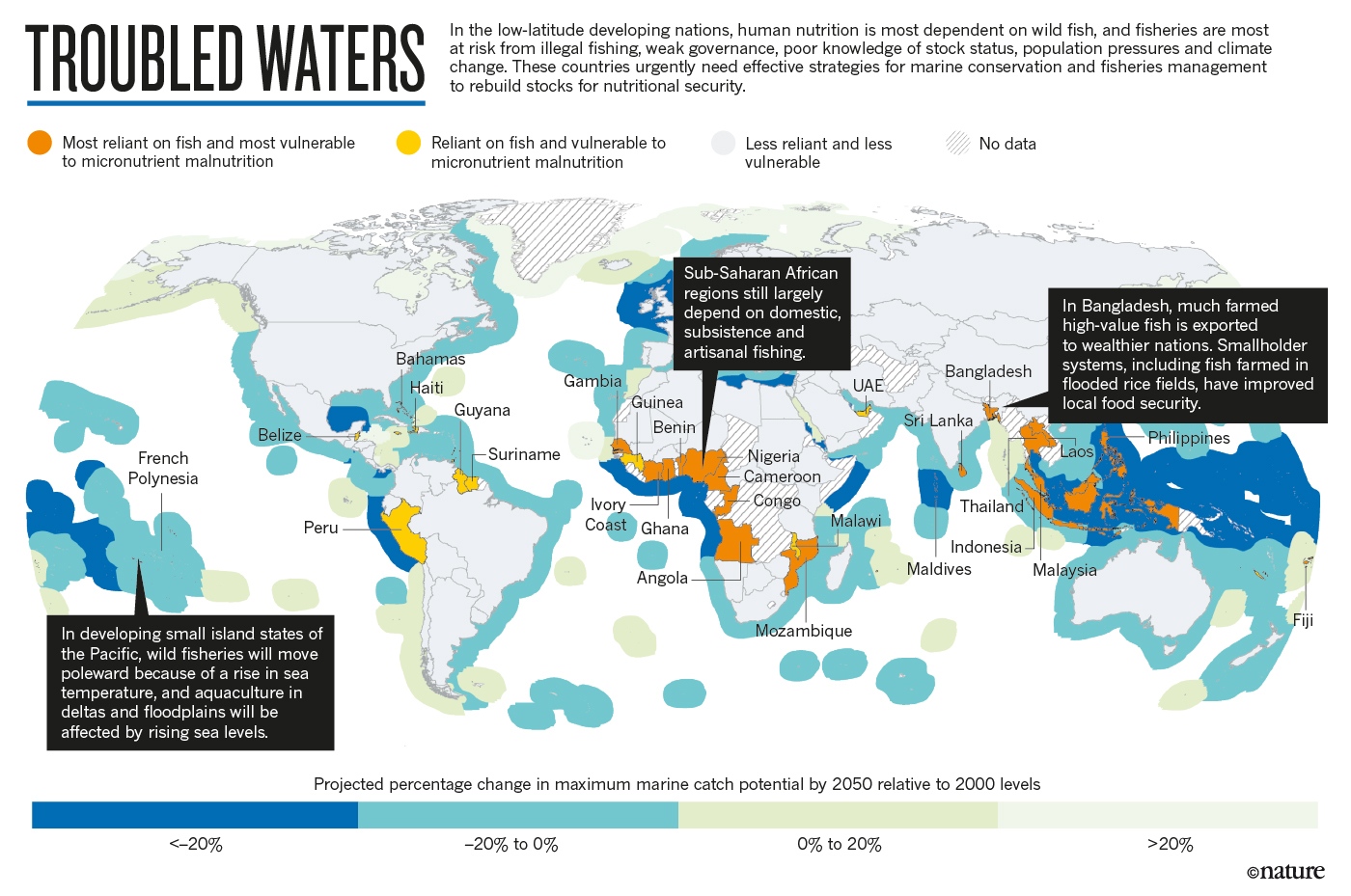
Christopher Golden et al., Nature
Declining Fisheries Threaten Micronutrient Deficiencies for Millions
›June 17, 2016 // By Wilson Center Staff
How will the 10 billion people expected to be living on Earth by 2050 obtain sufficient and nutritious food? This is one of the greatest challenges humanity faces. Global food systems must supply enough calories and protein for a growing human population and provide important micronutrients such as iron, zinc, omega-3 fatty acids, and vitamins.
-
Four Cattle and a Farm: On Finding More Inclusive Solutions to Climate Change
›As early as 1911, coal miners in Britain carried caged canaries into mining pits. Any sign of distress from the small birds, which are incredibly sensitive to the presence of harmful gases such as carbon monoxide, meant immediate evacuation. Today’s canaries in the coal mine are low-income, minority communities whose exposure to environmental risks in the United States and elsewhere puts them at the frontlines of the global climate crisis.
-
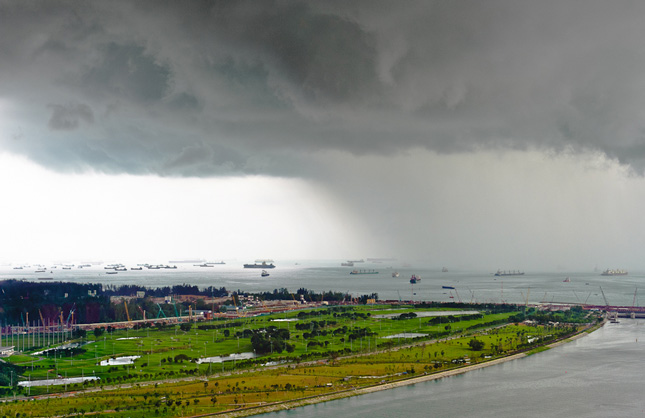
Singapore and the Climate Dilemma: There’s No Way to Go it Alone
›Anyone visiting Singapore, as I did recently, quickly realizes it is exceptional. A tiny, rich, stable city-state of nearly 6 million people perched uneasily in a region of sprawling mega-countries full of poverty and instability, it also a thriving free market trading and financial center that is meticulously planned and where 80 percent of people live in public housing.
-
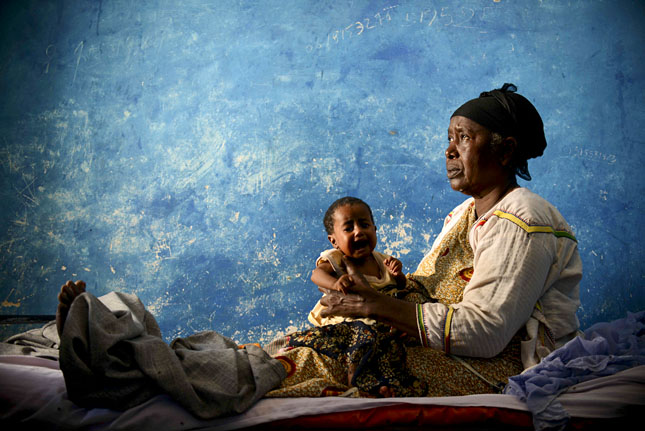
From Chicago to India, Journalist Tracks Long-Lasting Effects of Childhood Malnutrition in ‘First 1,000 Days’
›After more than a decade studying the wide-ranging effects of poor nutrition on children, former Wall Street Journal reporter Roger Thurow is outraged. Now he wants to inspire action.
-
El Niño Affects Food for 80 Million, “Paradigm Shift” Needed in Disaster Risk Assessment
›A report by the European Union on global food security finds 240 million people are in food stress thanks to conflict, refugee situations, flooding, drought, and El Niño. Part of a 2012 commitment by the EU to better target the root causes of food insecurity, the report analyzes the hunger situation in 70 countries and provides deeper analysis for 20. -
Global Population and Reproductive Health (Book Preview)
›Population, reproductive health, and environmental sustainability are inextricably linked. Growing populations place increasing demands on the environment, while meeting the reproductive health needs of populations usually slows their growth. Often, however, policymakers, scholars, and journalists discuss these issues separately, as if unrelated.
-
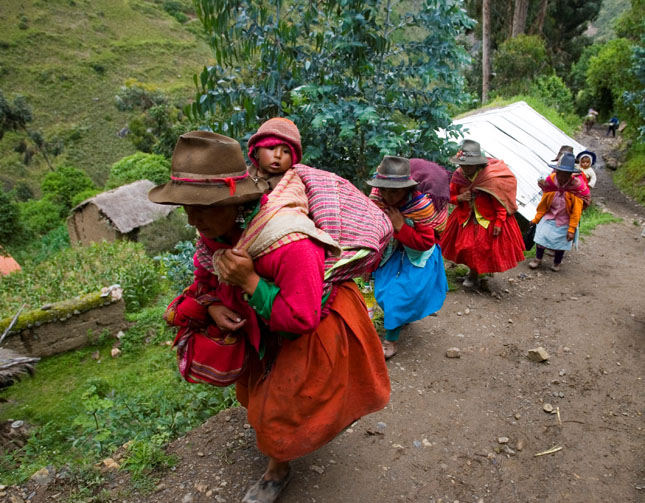
Hunger in Shangri-La: Causes and Consequences of Food Insecurity in the World’s Mountains
›Over the past decade, the number of undernourished people around the world has declined by around 167 million, to just under 800 million people. However, this positive trend glosses over a stark reality: Food insecurity is increasing in the world’s mountains. This pattern has been under-recognized by development experts and governments, a dangerous oversight with far-reaching social and environmental repercussions.
Showing posts from category food security.