-
Pathways to Climate-Smart Agriculture in Africa
›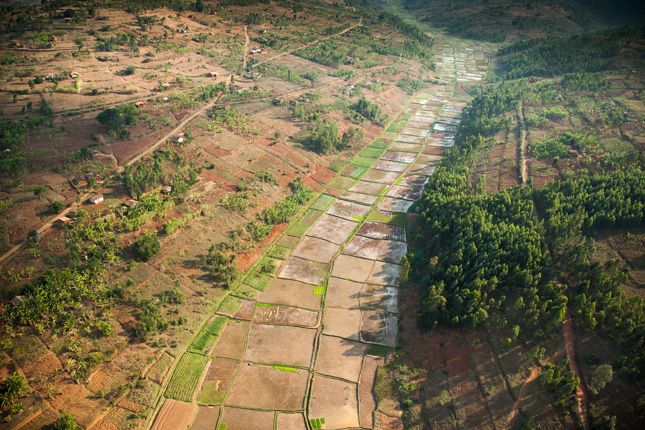
“Climate change and food insecurity are the twin crises that may define Africa’s future,” said the World Bank’s Ademola Braimoh at the Wilson Center on September 13. One proposed solution is so-called “climate-smart agriculture” (CSA), an approach to farming that aims to mitigate the negative impacts of climate change while increasing agricultural production and income. But according to a panel of experts, smallholder farmers around the world have either been slow to adopt CSA practices or failed to sustain their usage over time.
-
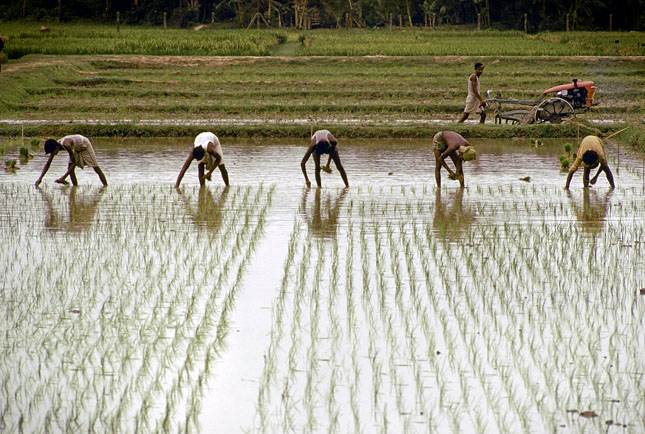
Assessing Feed the Future in Bangladesh: Production Gains, Nutrition Challenges
›September 30, 2016 // By Anam Ahmed
Among all the countries receiving agriculture and nutrition assistance through the U.S. government’s Feed the Future initiative, Bangladesh receives the third most, at approximately $50 million a year ($55 million has been requested for 2017). Yet Bangladesh’s population is larger than that of the two countries ahead of it, Tanzania and Ethiopia, combined.
-
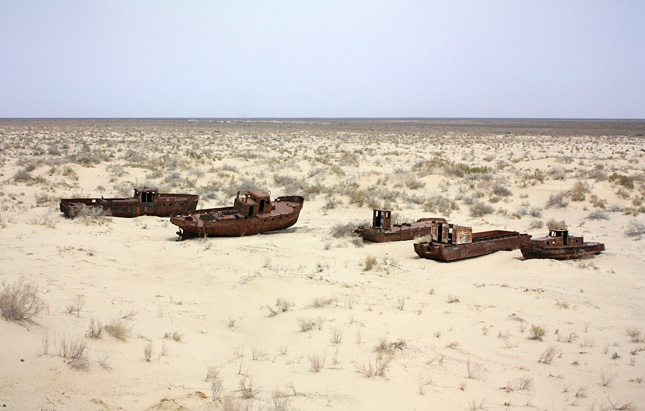
Silently, Quickly, and Completely: The World’s Lakes in Peril
›September 28, 2016 // By Cara ThuringerWhen Lake Poopó, Bolivia’s second-largest lake, dried up last December, an entire community lost their way of life and the scientific community cast their eyes to the map asking, where next? They didn’t have to look far. According to a report prepared by the World Lake Vision Committee, a collaboration between the International Lake Committee Foundation, the Shiga Prefectural Government of Japan, and the United Nations Environment Program, there are very few major lake systems that are not experiencing decreasing water quality, volume, biodiversity, or some combination of the three.
-
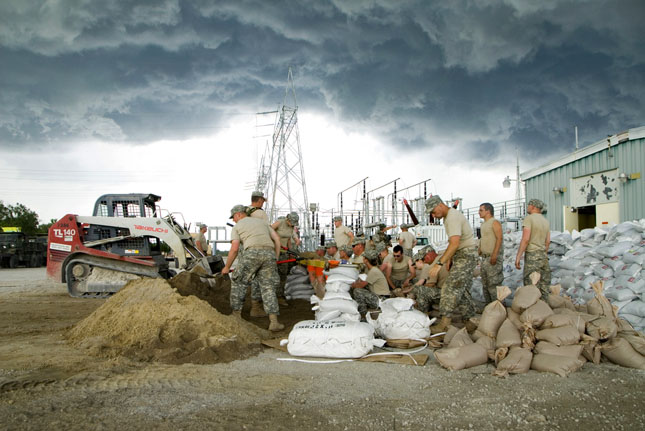
White House Announces Steps to Address Climate and National Security Alongside New Intelligence Assessment
›Yesterday afternoon President Obama announced a new Presidential Memorandum on climate change and national security. The policy directs 20 federal agencies to consider the national security implications of climate change and establish a working group that will develop a Climate Change and National Security Action Plan for the federal government.
-
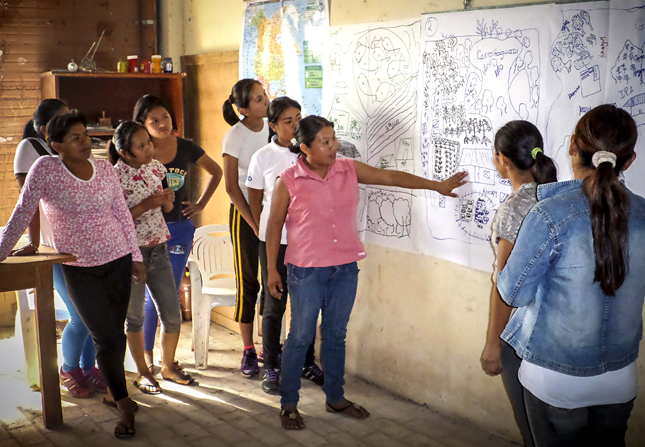
Building a Case for Integrated Development: A New Research Agenda and Examples From the Field
›With the Sustainable Development Goals nearing their one-year anniversary, the global community continues to strive toward eradicating poverty by 2030. In order to achieve this ambitious target, many international development practitioners are embracing a more holistic approach to development, combining traditionally single-sector programming, like health or environment work, into more comprehensive efforts. But such integrated development is sometimes easier said than done.
-
The Women of Sarawak and Mindoro on the “Invisible Battles” of Climate Change
›Although separated by a thousand miles, the women of the Malaysian state of Sarawak and the Filipino island of Mindoro are united by a major struggle: climate change. As rainfall patterns grow increasingly unpredictable, natural disasters become more frequent, and drought ravages once-arable land, women are on the frontlines in both communities.
-
Rowand Jacobsen, Ensia
Can New Water Tech Help Reduce Conflict in Middle East?
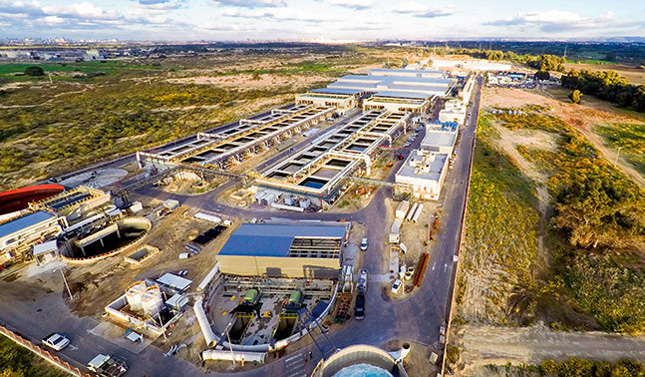
›August 9, 2016 // By Wilson Center StaffTen miles south of Tel Aviv, I stand on a catwalk over two concrete reservoirs the size of football fields and watch water pour into them from a massive pipe emerging from the sand. The pipe is so large I could walk through it standing upright, were it not full of Mediterranean seawater pumped from an intake a mile offshore.
-
Tracking Illegal Fishing in West Africa, and Improving Soil Data to Better Model Climate Effects
›Overfishing by foreign fleets in West Africa is leading to devastating social and economic consequences. In a report from the Overseas Development Institute, an independent think tank based in London, researchers use satellite data to assess the scale of two kinds of illegal, unreported, and unregulated fishing: “reefers,” or large-scale commercial vessels receiving and freezing fish at sea and at port, and large refrigerated container ships that are registered in countries with less stringent enforcement regulations than that of the ship’s owners.
Showing posts from category food security.