-
World Population Day: Understanding Current Trends to Enhance Rights and Climate Resilience
›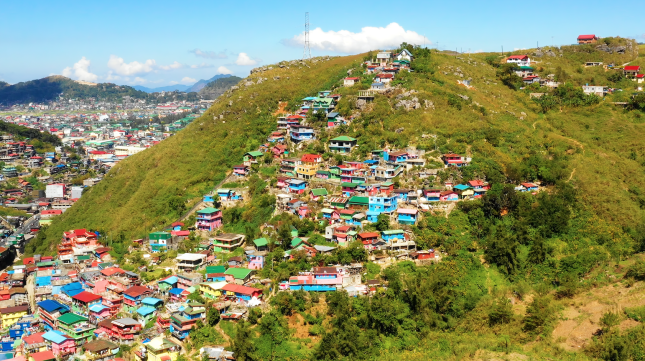
In today’s demographically diverse world, population issues abound, creating different and important social, economic, and political implications. World Population Day (observed each year on July 11) offers an opportunity to reflect on why population is so important. Understanding the implications of population growth and decline, as well as population age structure and migration—is essential to strengthen our abilities to plan for a more sustainable future.
-
Understanding El Niño’s Broad and Pervasive Impacts is Essential To Mitigation
›July 10, 2023 // By Danielly de Paiva Magalhães
Scientists from the National Oceanic and Atmospheric Administration (NOAA) have predicted an El Niño event between late 2023 and early 2024. El Niño is a complex climate phenomenon characterized by unusually warm sea surface temperatures in the central and eastern Pacific Ocean near the equator that typically happens every two to seven years. This phenomenon amplifies the likelihood of severe weather events in specific regions due to changes it creates in atmospheric circulation patterns, which escalate and initiate consequences for the environment, economy, and human health.
-
ECSP Weekly Watch | June 23 – 29
›A window into what we are reading at the Wilson Center’s Environmental Change and Security Program
Climate Change and Migration: Ensuring Safe Access for Women and Girls
A new report from UN Women found that climate change poses a significant threat gender equality. In particular, changes in weather patterns and extreme events exacerbate vulnerability among women and girls and leads them to seek safety and opportunities through increased migration.
-
Water @ Wilson | The Significance of the Coming El Niño: Understanding the Science and Preparing for Its Impacts
›When the National Oceanic and Atmospheric Association (NOAA) declared the beginning of an El Niño event on June 8, 2023, the recurring climate pattern featured in headlines all over the world as media outlets sought to cover its anticipated impacts.A recent Water @ Wilson event –“The Significance of the Coming El Niño: Understanding the Science and Preparing for its Impacts”—brought together experts at the Wilson Center to explain the complex science behind El Niño and explore its regional implications. The speakers also surveyed the policy tools at our disposal to prepare for its significant climate effects.
-
Rethinking Population, Climate, and Health: Focusing on Solutions
›News about global climate impacts that elevate mortality, wreak weather havoc, and create massive displacement is inescapable. And those are just the stories that make the headlines. Droughts in Africa are estimated to impact 250 million people and displace 700 million more by 2030. Climate impacts brought on by El Niño are devastating the food supply chain, exacerbating Guatemala’s struggle to reduce childhood malnutrition.
-
Intersecting Challenges Require Multisectoral Solutions: A Conversation with Charles Kabiswa
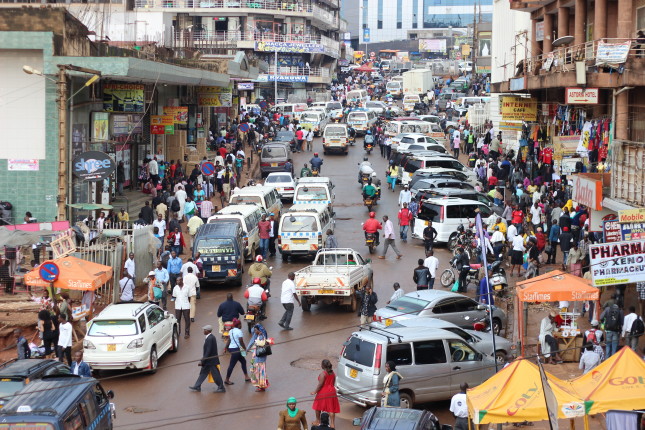
›The impacts of a changing climate touch every region of the globe, but they are acutely felt by people in Uganda, where floods, droughts, and shifting rainfall patterns disrupt agricultural productivity, livelihoods, and the health and well-being of millions of people. According to the ND-GAIN index, Uganda is the 13th most vulnerable nation in the world, and action there is urgently needed to better prepare for and adapt to climate change’s impacts.
-
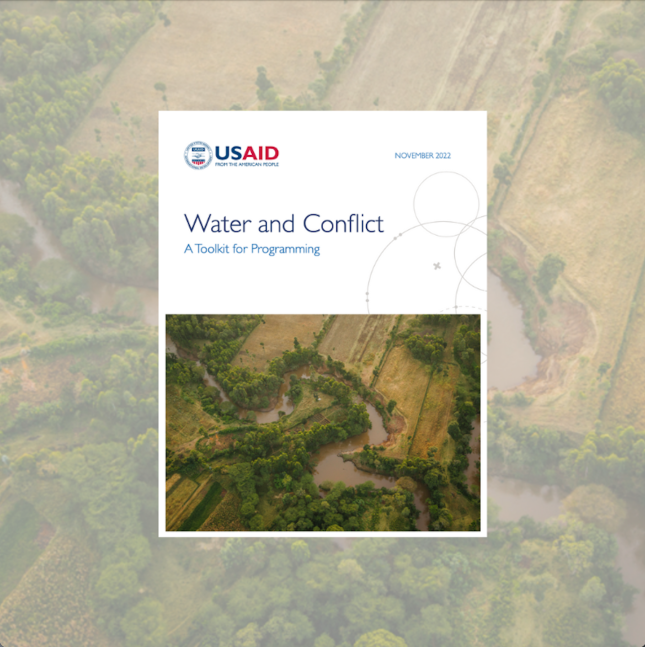
USAID’s Revised Water and Conflict Toolkit
›Links between water and conflict seem to crop up everywhere one looks these days. The Horn of Africa will soon face a sixth consecutive failed rainy season in 2023—its worst drought on record. Not only is this drought a consequence of global climate change, but it has also led to widespread food shortages and local civil conflicts. And over the past year in Ukraine, Russian troops have directly damaged that nation’s already vulnerable water systems, including pipelines, pumping stations, and treatment facilities. These repeated attacks on water infrastructure have not only undermined local livelihoods in Ukraine, but they have also polluted surface waters and threatened biodiversity.
-
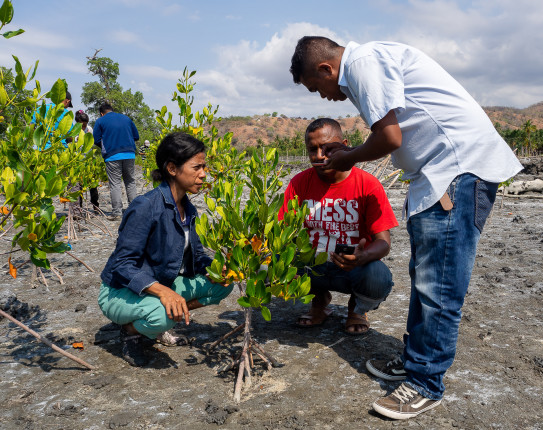
Nature-based Solutions: Latin America and the Caribbean’s Green Opportunity
›Already facing water stress, much of Latin America (such as the western slopes of the Andes and the dry corridor of Central America) is projected to experience intensified periods of drought in the coming decades, further complicating development efforts in the region. At the same time, heavy floods are the most common natural disaster in the region, disrupting life for countless people. According to the World Bank, in Latin America and the Caribbean alone roughly $14 billion per year is required to meet the 2030 water and sanitation targets of the United Nations Sustainable Development Goals. Typically, investments at this scale have been made by governments and large firms that invest in traditional infrastructure such as dams. But with ever-growing development needs and increased understanding of the impacts of climate change, Nature-based Solutions (NBS) are gaining momentum as a new way of incorporating environmental considerations into development responses.
Showing posts from category flooding.