-
The Climate and Ocean Risk Vulnerability Index: Measuring Coastal City Resilience to Inform Action
›Guest Contributor // January 26, 2021 // By Jack Stuart, Sally Yozell, Miko Maekawa & Nagisa Yoshioka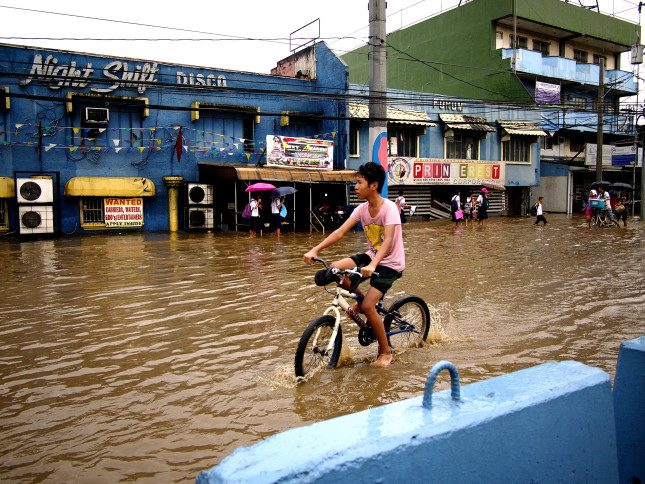
As the climate crisis continues to worsen, climate finance remains a fraction of what is needed. The Climate Policy Initiative estimates that $579 billion was spent on average on climate finance in 2017/18. This includes domestic and international investment from both the public and private sectors towards climate mitigation and adaptation actions. Of this amount, only $30 billion—five percent—was allocated for climate adaptation. This amount stands in stark contrast to $180 billion, which the Global Commission on Adaptation estimates is needed every year to build resilience to current and future climate impacts. This catastrophic funding gap is intensifying climate security threats and elevating the vulnerability of people across the world, particularly in coastal urban centers.
-
Climate Change Will Make the Brazilian Military’s Role More Difficult, Finds New Report
›
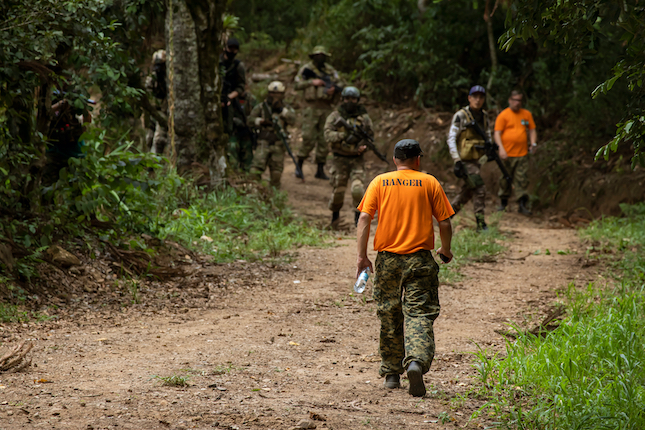
“It is in Brazil’s interest to climate-proof the nation,” said Wilson Center Senior Fellow Sherri Goodman during a recent International Military Council on Climate and Security (IMCCS) event. Referencing a new IMCCS report, Climate and Security in Brazil, Goodman, who is also Secretary General for the IMCCS, said that Brazilian leaders ought to develop counter-deforestation and climate plans as critical elements of the national security agenda.
-
21st Century Diplomacy: Foreign Policy is Climate Policy (Report & Project Launch)
›Climate change will upend the 21st century world order. It will redefine how we live and work, and change the systems of production, trade, economics, and finance. Even now, in the midst of a global pandemic, it is clear that climate change will be the defining issue of this century. In fact, COVID-19 has only underscored the inadequacy of our responses to global crises and heightened the urgency of this call to action. 21st century diplomacy will have to raise climate ambition, shape the transformative systems change needed, and promote and facilitate new modes of multilateral collaboration.
-
Gender Equality is Important to Building Resilience and Peace during Disasters and Conflict
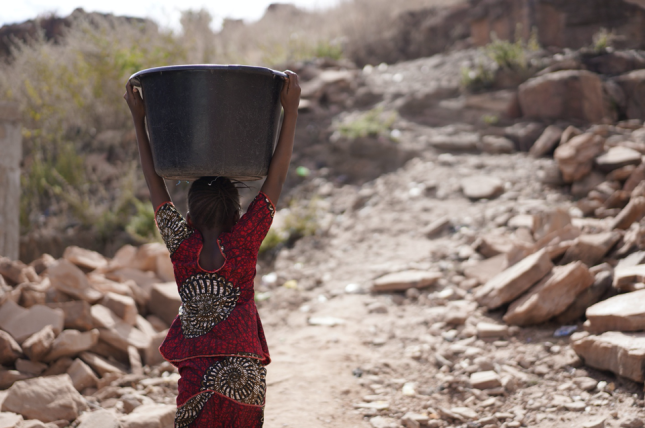
›“The gender perspective highlights how pre-existing inequalities and vulnerabilities are exacerbated in conflict and in disasters,” said Susanne Kozak, a doctoral candidate at Monash University at a recent event hosted by the Environmental Peacebuilding Association and University of Melbourne’s Faculty of Science.
-
Where the Oil Runs Deep, Water Turns Foul
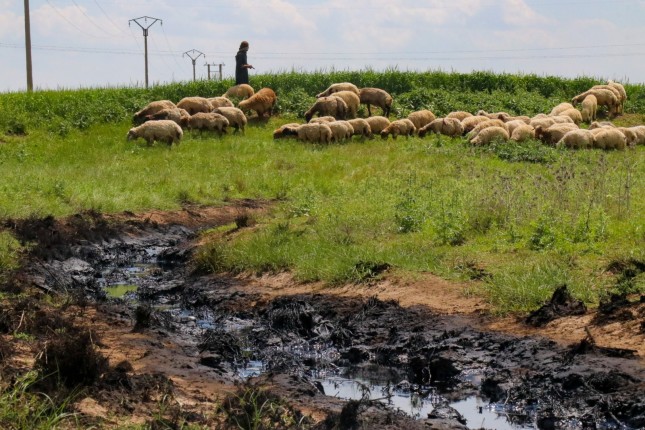
›When Farhad Ahma returned to his native country last year on a work trip, his first thought was of his small daughter back home. The air around him was so thick with pollution, he couldn’t imagine she would survive the climate in this region of northeastern Syria. Ahma himself struggled to breathe almost as soon as he arrived, nauseated by the heavy smell within a couple hours. He was born and raised nearby, in a city called Qamishli, but he had lived in Berlin for some time now. Returning was a shock to his system.
-
Is a Green Recovery Possible for Post-COVID Cash-Strapped and Flooded Wuhan?
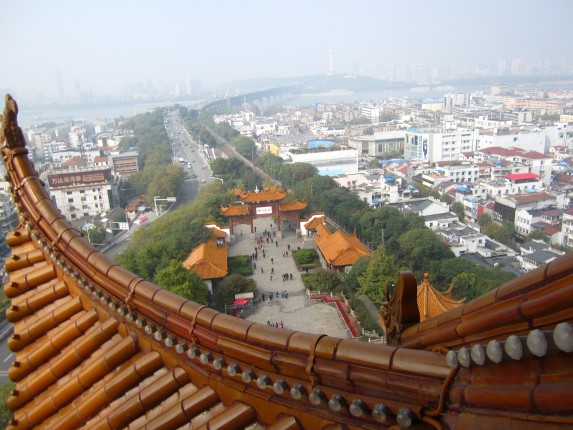
›Some older Wuhan residents still talk about paddling across the city in their boats, traversing the 100-plus lakes that were once connected by a network of canals. This once-leisurely activity takes on different meaning today as citizens navigate some of the worst floods in decades. Hubei Province, where Wuhan is the capital, is among the 27 central and southern Chinese provinces affected by floods that have caused CNY 86 billion (USD $12.3 billion) in nationwide economic losses in June and July of this year.
-
Debt on the Nile? Sharing Rivers on the African Continent
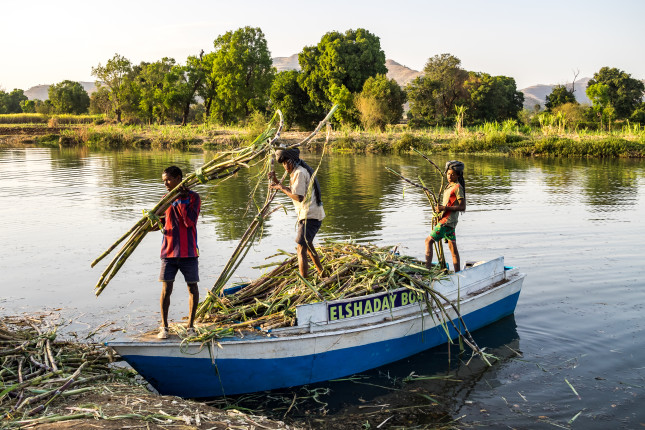
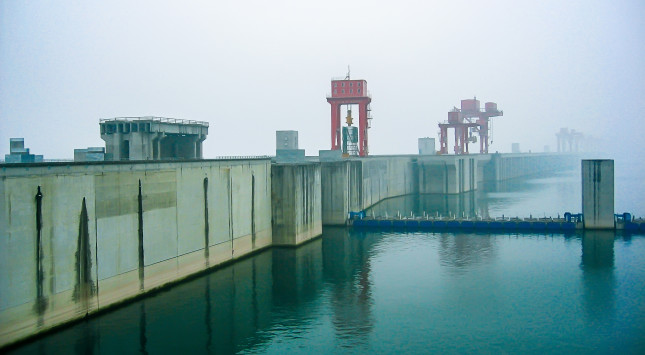
›Trouble is brewing on the Nile. For years, use of the river was mainly about the needs of Egypt, by far the largest and most powerful riparian country in the basin. But since the Arab Spring of 2011, the situation has changed considerably. Egypt’s troubles over the last decade have weakened its ability to project power southward, while upper riparian states—Ethiopia in particular—have enjoyed a period of economic growth and relative stability, which has led them to look at the great river as an important national resource. Tensions have come to a head since Ethiopia announced the construction of the Grand Ethiopian Renaissance Dam (GERD), construction of which is now almost complete. Once full, the resulting reservoir will be larger than the whole of Greater London. Much of the water it holds would have previously reached Sudan and Egypt largely unhindered.
-
China’s Post-Pandemic Water Woes
›Few places have suffered more from the COVID-19 pandemic than southern China, the region where the novel coronavirus was first detected in the city of Wuhan. But it turned out that the pandemic is not the only calamity to befall south China this year. The region has been inundated by heavy rainfall since late May, creating a risk of catastrophic flooding. While southern China typically sees heavy rainfall in the summer months, state media reported that this year’s precipitation has been roughly 20 percent higher than normal. Other outlets report that flooding has affected over 30 million people across dozens of provinces and resulted in over 120 deaths.
Showing posts from category flooding.