-
Consequential Omissions: How Demography Shapes Development
›
If you were on a mission to improve the plight of humankind, no less, would you care about how many people are living, where they are, and how old they are? You probably would, for it would obviously make it easier for you to estimate the challenge you face. However, the international community did not.
-
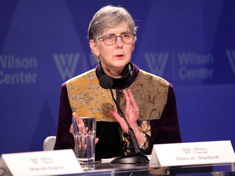
Ellen Starbird: Sexual and Reproductive Health and Rights Undergird Success of SDGs
›
“Advancing reproductive health and family planning can positively influence and advance a number of sustainable development priorities,” says Director of USAID’s Office of Population and Reproductive Health Ellen Starbird in this week’s podcast.
-
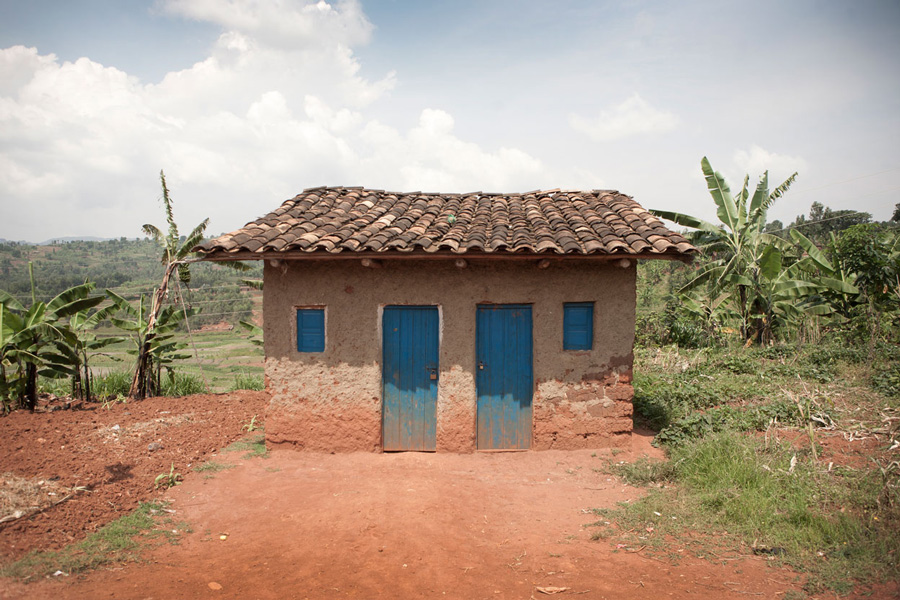
Not Enough to Go Around? Tensions Over Land Threaten to Boil Over in Burundi
›“Alphonse, however, had not come to talk. Without saying a word, he raised a machete and brought it down onto his uncle’s skull.”
-
SAM EATON, PRI’S THE WORLD
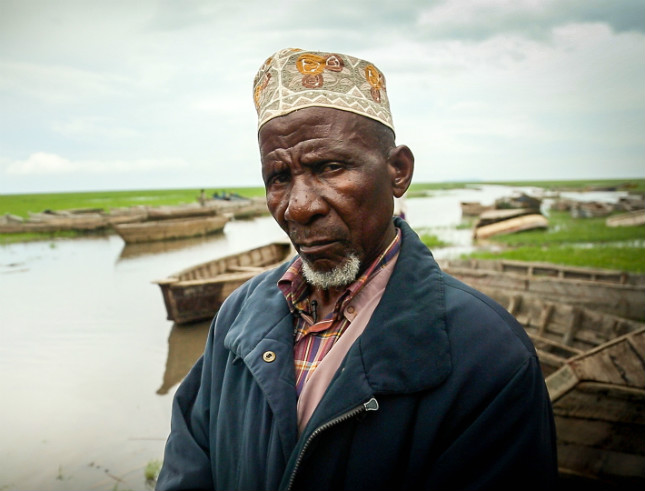
In Malawi, Attitudes Toward Family Planning Shift After Flooding, Hunger
›March 18, 2015 // By Wilson Center StaffFor two villages in southern Malawi, climate change and contraception have become intertwined. So much so, that long-held cultural assumptions are starting to change.
-
A Quick Video Tour of How We Got to 7 Billion and Where We’re Going Next
›Hans Rosling has always been an innovator when it comes to bringing big ideas to big audiences. The Norwegian doctor, statistician, and co-founder of the Gapminder Foundation has become known – to the kind of people who watch TED Talks anyway – for lively presentations aimed at demystifying common ideas about global development and demography. On Gapminder.org, he literally stands chest-high in water appealing for your donation to help him “cross the river of myths.”
-
Knowledge Gaps Keep Many Women From Exercising Their Reproductive Rights
›March 8 marked International Women’s Day, which celebrates the economic, political, and social achievements of women in the past and present, while simultaneously calling for greater equality in the future. While many of the day’s discussions focused on economic and social issues, the right to reproductive health is also a crucial element in realizing full equality.
-
Measuring Maternal Health in a Post-MDG World
›As the international development community looks back on the Millennium Development Goals and ponders what remains to be done under the proposed Sustainable Development Goals, the maternal health field has some reflecting to do, said Dr. Ana Langer, professor and director of Harvard’s Maternal Health Task Force at the Wilson Center on December 1. [Video Below]
-
Efforts to Build Resilience in Sahel Focus on Food, Climate, Population Dynamics
›The Sahel – spreading from the Red Sea to the Atlantic as the Sahara Desert transitions to Sudanian savanna – is drought prone and suffers from chronic food insecurity. Yet, the region also boasts the highest fertility rates in the world, and the highest rates of marriage for young girls. This creates unique vulnerabilities that are being compounded by climate change, says ECSP’s Roger-Mark De Souza in an episode of Wilson Center NOW.
Showing posts from category family planning.