-
The Double Burden of Climate Exposure and State Fragility
›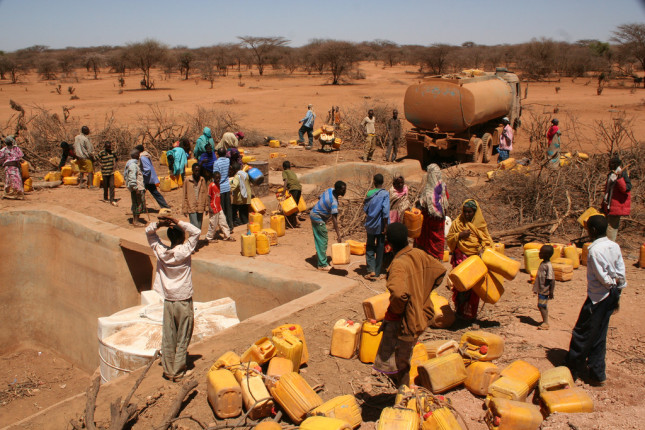
The security implications of climate change emerged as an important area of concern in the mid 2000s in both policy circles and academia. Since then, there has been much research exploring causal pathways between climate phenomena and violent conflict, often with inconclusive or mixed results.
-
China Is Winning the Race for Water Security in Asia
›
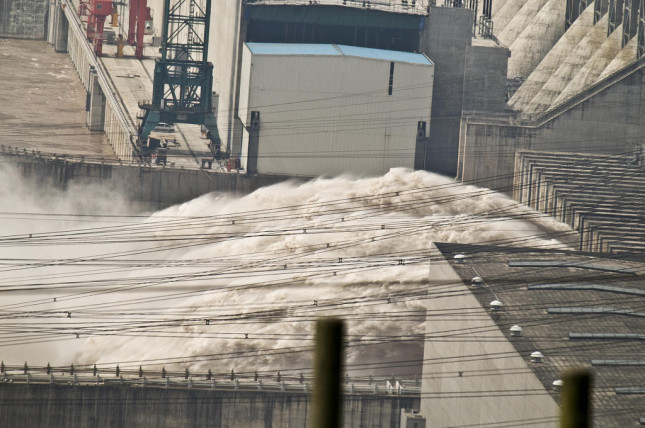
Great power competition in Asia is not only about control of critical waterways in the South China Sea, but also about who controls Asia’s fresh water. The future of Asia’s water—upon which about four billion people depend—lies in China’s hands. Through its presence in Tibet, China controls the headwaters of ten of the eleven major rivers of Asia. So far, China has taken a relatively cooperative approach to sharing water with its neighbors as part of the systematic consolidation of its “soft power” over downstream countries. But climate change and rapid growth are threatening to upset this delicate diplomatic balance. What happens when China’s own thirst outpaces its resources? And how will China’s choices affect U.S. interests in the strategic Asia-Pacific region?
-
Green Conflict Minerals: Investigating Renewable Energy Supply Chains in Fragile States
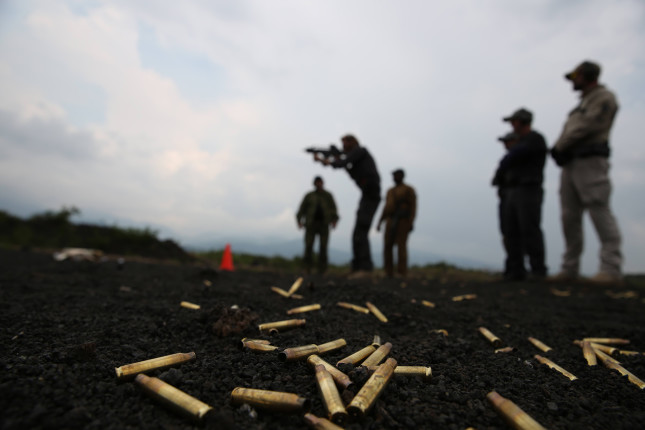
›The shift to a low-carbon economy is not only underway, it is accelerating. Last year, Costa Rica generated more than 99 percent of its electricity using renewable sources; Germany expanded its onshore wind power capacity by 5,300 MW, and in the United States, more than 62 percent of new power plants under construction will produce renewable energy. What does this rapid increase mean for the countries that supply the inputs required to build these new facilities—particularly those countries that are struggling with fragility or corruption?
-
Big Dams, Big Damage: The Growing Risk of Failure
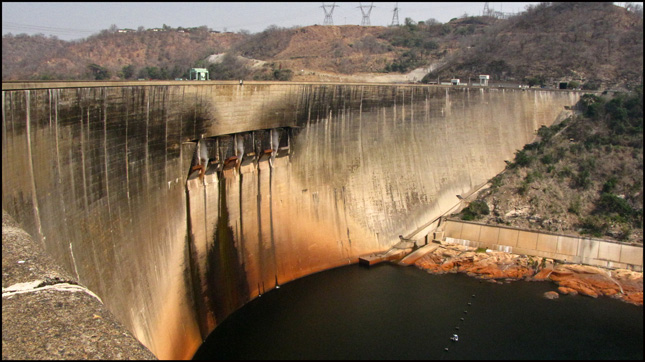
›August 21, 2018 // By Olivia SmithLast month, a partially completed dam in Laos’ Attapeu province collapsed, washing away people and villages in its path. Hundreds of people are still missing and more than six thousand are homeless. And after last summer’s hurricanes, U.S. citizens in Houston and Puerto Rico escaped death but were forced to evacuate when dams were flooded. Dam failure can be catastrophic for people, property, and power—and the risks are rising, due to lack of investment in maintenance, growing vulnerability to climate change, and the demonstrated potential of cyberattacks.
-
Europe Takes the Lead in Climate, Energy, and Security
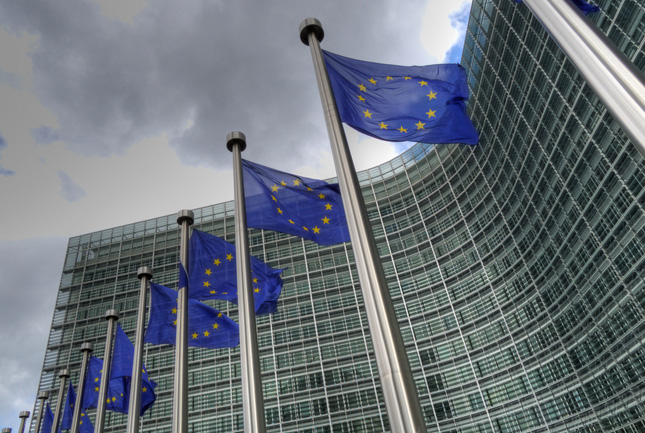
›With the tumultuous NATO summit and a simmering trade war dominating stateside headlines last month, the European Union’s progress on climate-security connections has received little attention. After the U.S. government rolled back its significant efforts in early 2017, the EU and its leading members—particularly Sweden and Germany—picked up the ball. Three significant events herald what could be the start of a new era of climate-security policymaking—one under European leadership.
-
Mapping Climate Security: New Dashboard Tool Visualizes Complex Vulnerability in Asia
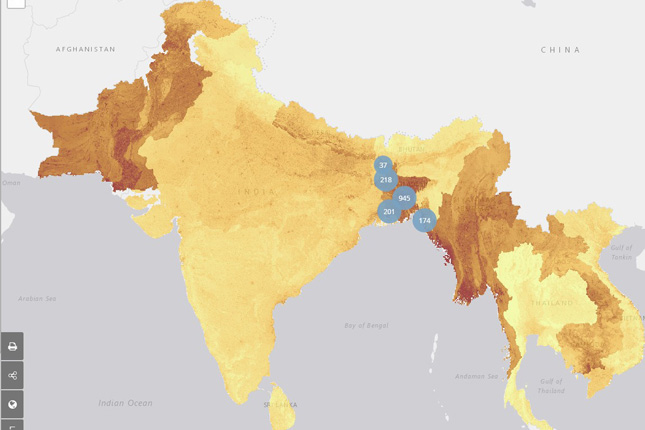
›In many parts of South and Southeast Asia, high population density and vulnerability to climate change combine with low levels of household resilience and poor governance to increase security concerns and the potential for political instability. To help identify risks and hotspots in this critical region, the Complex Emergencies and Political Stability in Asia (CEPSA) program at the University of Texas-Austin recently launched the Complex Emergencies Dashboard, which integrates raw data and modeling with mapping technology, allowing users to visually analyze regional security issues. The project was funded by the Department of Defense’s Minerva Initiative, which also supported similar work by the university’s Climate Change and African Political Stability (CCAPS) program.
-
As Afghanistan’s Water Crisis Escalates, More Effective Water Governance Could Bolster Regional Stability
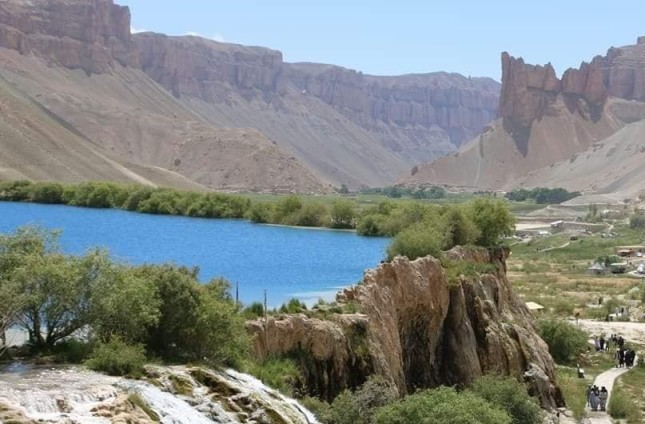
›“Kabul be zar basha be barf ne!” This ancient proverb—“May Kabul be without gold rather than snow”—refers to snowmelt from the Hindu Kush Mountains, a primary source of Afghanistan’s water supply. To recover from years of armed conflict, Afghanistan needs a stable water supply, but its sources are increasingly stressed by severe droughts. The Norwegian Refugee Council estimates that today, 2 out of 3 provinces are impacted by drought, putting two million people at risk of hunger. Improving the country’s water governance—the social, legal, and administrative systems that guide how water is distributed and used—may help it avoid both internal and regional conflicts by stabilizing its economy and its citizens’ livelihoods.
-
Building Coastal Resilience to Protect U.S. National Security
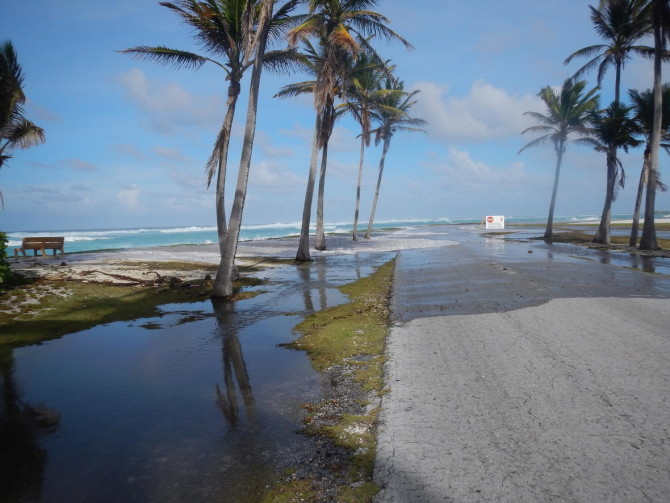
›June 28, 2018 // By Wilson Center StaffAs the Atlantic hurricane season kicks off this month, some coastal communities in the United States and small-island nations in the Caribbean are still recovering from last year’s record-breaking damage. At the same time, the heavy rains pounding the East Coast this week are part of a long-term trend towards more severe heavy rainfall events that have led to deadly floods and threaten critical U.S. military bases. Even on sunny days, cities such as Norfolk and Manila contend with high tide or “nuisance” flooding—a phenomenon that has increased as much as nine-fold since the 1960s, according to NOAA.
Showing posts from category environmental security.