-
From Rhetoric to Response: Addressing Climate Security with International Development
›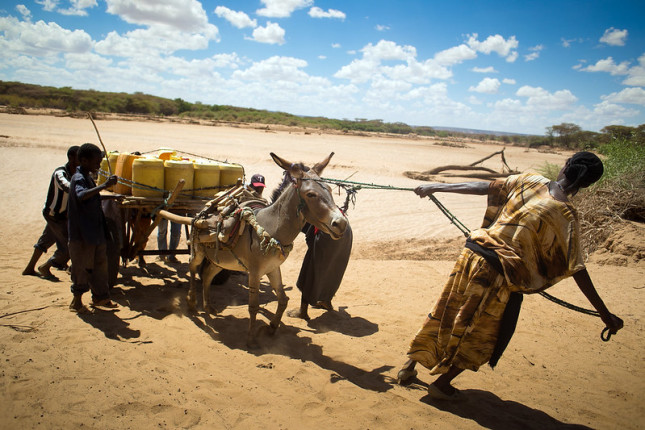
Over the past decade, our understanding of how climate change affects conflict and security has advanced considerably. Yet, how to best address the overlapping challenges of climate change, conflict, and human security remains an open question. In an article published in World Development, I address this topic by examining how climate security discourses inform development policy and, in turn, how the structures of development enable or constrain institutional capacity to address climate security. This research identifies not only the unique barriers the development sector must overcome, but also the ways in which the most common framings of climate change (i.e., as a threat multiplier) limit the scope for policy and programming.
-
Raising Climate Ambition Should Include Environmental Peacebuilding
›
In January, the Biden Administration released the Executive Order on Tackling the Climate Crisis at Home and Abroad. It is a sweeping document that integrates climate concerns into policy and governance, including into national security. It recognizes that environmental security, the integration of environmental considerations into national security strategy, policy, and programs, is essential to combat the global climate crisis and should be mainstreamed across U.S. government efforts. The idea is not a new one. One of the authors (Goodman) led early environmental security efforts in the U.S. Department of Defense (DoD) for 8 years of the Clinton Administration in the 1990s, during the first chapter of awareness of environmental considerations in defense and foreign policy.
-
Developing a Shared Narrative on Climate Change, Fragility, and Peacebuilding
›“Addressing the link between climate, conflict, and environment is a critical piece of the new USG framework for addressing fragility, and, as the Biden administration scales up its efforts to center climate change in its foreign policy and national security agendas, it’s going to be essential to consider the linkages between climate action and opportunities to build peace,” said Joe Hewitt, Vice President at the U.S. Institute of Peace during a recent event co-hosted by the Wilson Center and the U.S. Institute of Peace on the importance of integrating climate change responses, conflict prevention efforts, and peacebuilding.
-
A Land Like No Other: Afghanistan’s Post-Conflict Ecotourism Potential
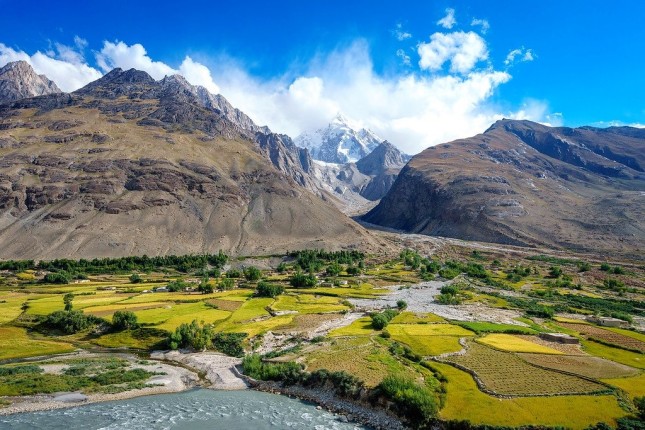
›Stunning cobalt-blue lakes with natural travertine dams in Band-e-Amir, the pristine, soaring Pamir Mountains, through which some of the world’s last snow leopards prowl—far from the simplistic, violent, and drab images preferred by the media, Afghanistan is a beautiful and multifaceted nation. Lonely Planet once described Afghanistan as a “vastly appealing country.” Having married into an Afghan family many years ago, I can attest that the culture is also extremely hospitable. Welcoming tourists to visit their beautiful nation is a logical extension of the Afghan culture.
-
Going Big on Climate: Opportunities and Challenges Facing the New Administration
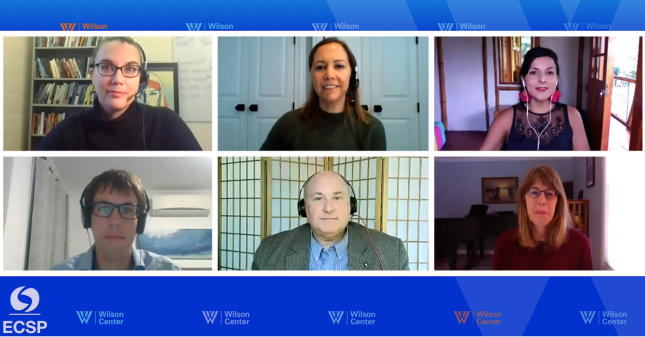
›“With climate change, we can make no small plans—we need to go big,” said Lieutenant General Wallace Gregson (ret.), former Assistant Secretary of Defense for Asian and Pacific Security Affairs, during a recent event co-hosted by the Environmental Peacebuilding Association and Wilson Center on opportunities and challenges facing the new administration relating to the environment, peace, and conflict.
-
A Conversation with Marisa O. Ensor on Securitizing Youth and Youth’s Role in Peace and Security Agendas
›“I’ve been quite impressed by the wide diversity and complexity of young women’s and men’s engagement for peacebuilding and development often while confronting seemingly insurmountable challenges,” says Marisa O. Ensor, Adjunct Professor in the Justice and Peace Studies Program at Georgetown University, in this week’s Friday Podcast. -
Nature-based Solutions Vital to Mitigating Conflict-linked Environmental Damage
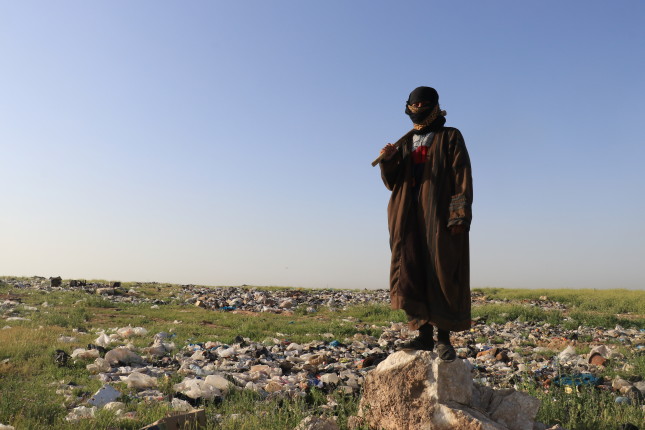
›When the dust settles after wars and armed conflicts, people are eager to rebuild their lives and livelihoods in the wake of the devastation wrought upon their country. Often one issue is largely absent in post-conflict reconstruction and development planning: addressing conflict-linked destruction of the environment.
-
Experts Spotlight Bottom-Up Approaches and the Impacts of Conflict on Infrastructure in the Next Wave of Environmental Peacebuilding
›“For 30 years, a community of researchers, practitioners, and policymakers have been working to untangle the complex relationships between environmental change and human and national security, and find entry points for policies and programs that build on these connections to create a more resilient and sustainable peace,” said Lauren Risi, Project Director of the Wilson Center’s Environmental Change & Security Program at a recent event that featured contributors to a new special issue of International Affairs on environmental peacebuilding.
Showing posts from category environmental peacemaking.
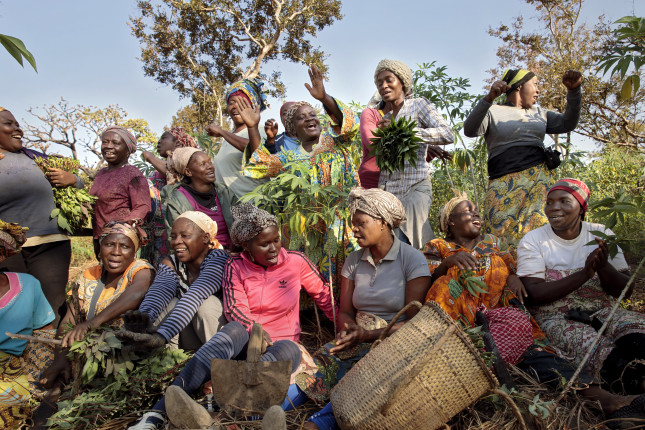

 “I’ve been quite impressed by the wide diversity and complexity of young women’s and men’s engagement for peacebuilding and development often while confronting seemingly insurmountable challenges,” says Marisa O. Ensor, Adjunct Professor in the Justice and Peace Studies Program at Georgetown University, in this week’s Friday Podcast.