-
Halvard Buhaug: Climate Changes Affect Conflict Dynamics
› “Climate is unquestionably linked to armed conflict,” says Halvard Buhaug, Research Professor at the Peace Research Institute Oslo, in the latest Wilson Center podcast.
“If we produce a map of the world with locations of ongoing and recently entered armed conflicts, and we superimpose on that map different climate zones or climatic regions, we would very easily see a distinct clustering pattern of armed conflicts in warmer climates.”
-
The Blockchain Revolution: Q&A with Kaikai Yang
›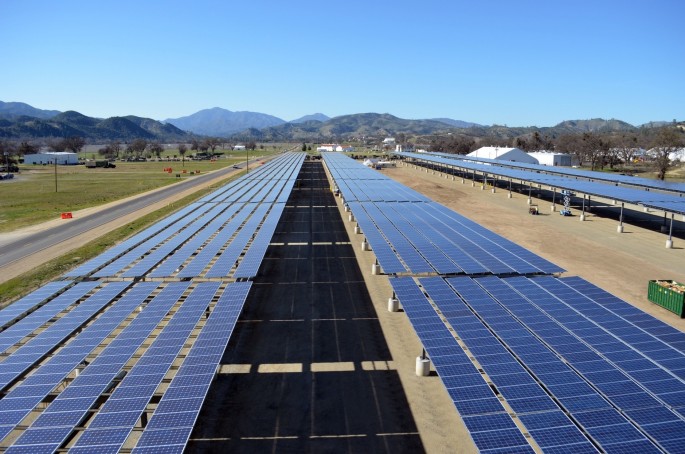
Blockchain, the newest technology poised to revolutionize numerous industries, could help decentralize electricity systems across Asia, Europe, Australia and the United States. In Brooklyn, peer-to-peer microgrids allow prosumers—energy consumers who generate small amounts of electricity from renewable sources—to trade energy with other users. Blockchain technology provides distributed ledgers that validate, record, and share each transaction, using smart contracts that automatically execute energy trades when the price and volume of the electricity transaction meet the contracted requirements.
-
Mining Transparency in Myanmar: Can the Extractive Industries Transparency Initiative Lead to a More Sustainable Democracy?
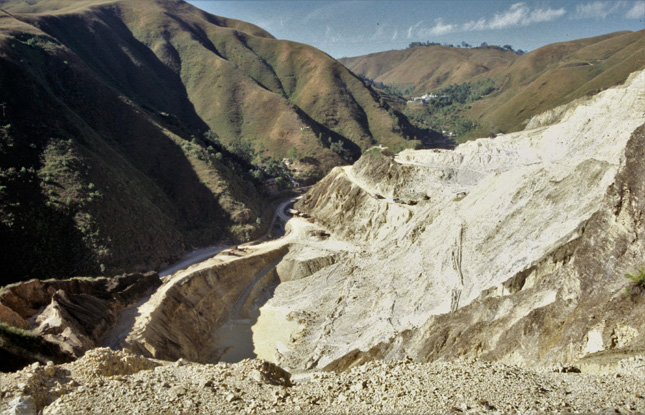
›Myanmar is rich in natural resources—gas, oil, minerals, and gemstones—yet is still one of the world’s least developed countries. Extractive industries are the country’s most lucrative sector and the government’s main source of revenue, but most of the benefits do not reach its citizens. Instead, resource extraction in Myanmar causes severe environmental and social problems and fuels and sustains some of the country’s longstanding ethnic conflicts.
-
Sustainable Water, Resilient Communities: The Unique Challenges and Opportunities of Wastewater
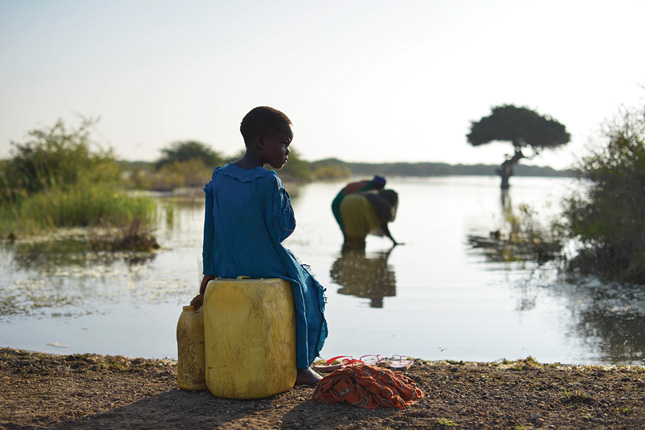
›From the Wilson Center // Water Security for a Resilient World // April 27, 2018 // By Connor Chapkis“Globally, nearly one billion people still lack access to safe water,” said Sasha Koo-Oshima, Senior International Water Advisor for the U.S. Environmental Protection Agency, at a recent Wilson Center event on the potential challenges and opportunities of wastewater treatment. “In emerging developing countries, children lose 443 million school days per year due to diseases related to water, sanitation, and hygiene,” she said.
-
“The Damn Thing Melted”: Arctic Security in the Blue-Water Era
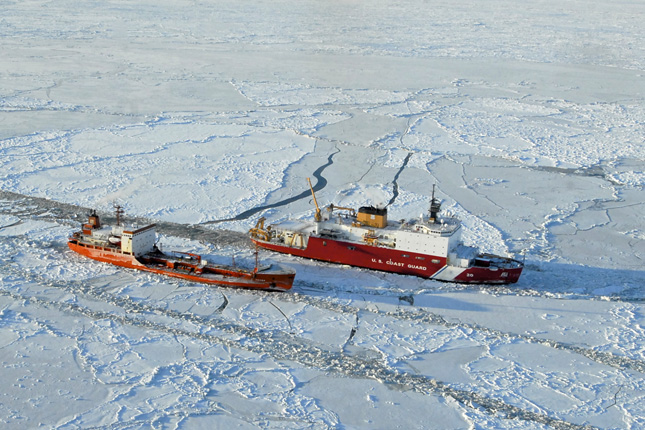
›When Secretary of the Navy Richard Spencer told the media last week that “the damn thing melted,” he wasn’t talking about an ice cream cone. As the Arctic faces unprecedented levels of open water, Spencer and other naval leaders recently testified to Congress about the U.S. Navy’s strategy, which is changing as quickly as the Arctic itself.
-
Every Day is Earth Day: Plastic Waste Q&A with Mao Da
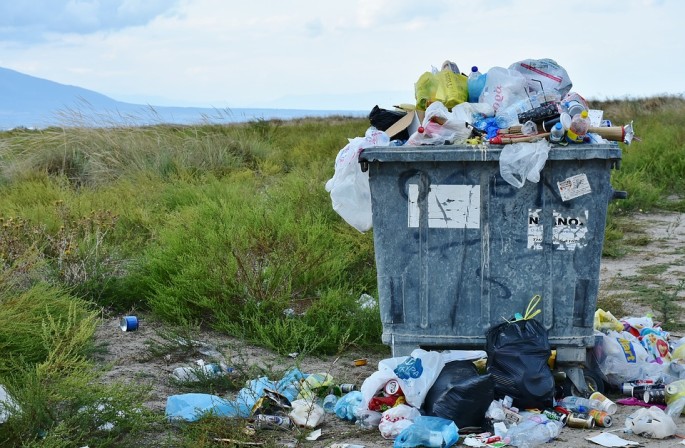
›Plastics. From the devastating effects of plastic pollution on our oceans, to the news that plastic bottles likely pollute the drinking water they contain, plastic pollution—the theme of this year’s Earth Day—has been a highly visible issue, and we’ve seen some notable progress on fighting the plastic battle.
-
Avoiding a Water Crisis: What’s Next for Cape Town — and Beyond?
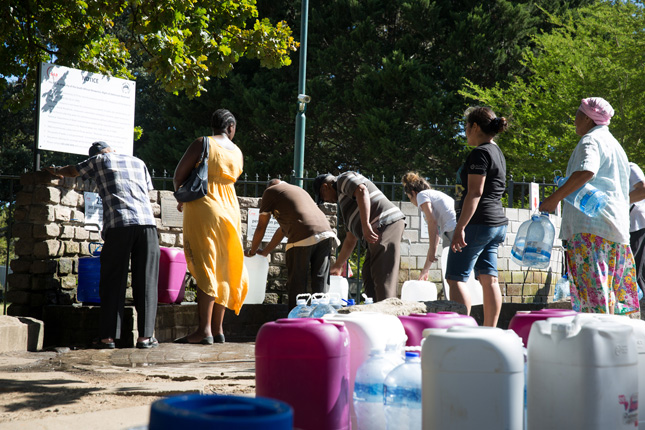
›Intense drought in South Africa’s Western Cape Province has led the world-renowned city of Cape Town to the brink of “Day Zero”—the date at which residents would be forced to collect strictly rationed water supplies from shared distribution taps. Water conservation efforts have so far prevented a massive water shutdown, but the city’s rapid population growth and reliance on surface water dams makes it particularly vulnerable to lower precipitation levels.
-
Taking Our Power Back: Women and Girls Are Key to Food Security During Conflict
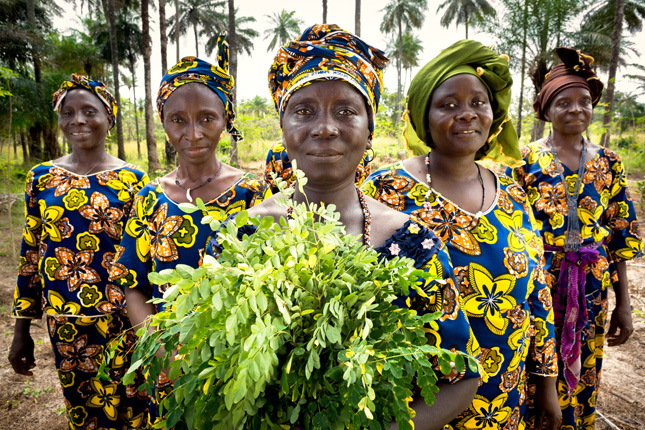
›“Gender equality and women’s empowerment [need to be] at the center of the fight against extreme poverty, hunger, and malnutrition, and also in any efforts to build sustainable peace,” said Ilaria Sisto at a recent CSIS event on the critical role of women and girls in ensuring food and nutrition in times of conflict.
Showing posts from category environment.
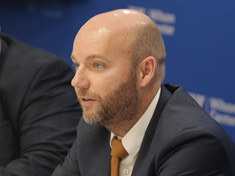 “Climate is unquestionably linked to armed conflict,” says Halvard Buhaug, Research Professor at the Peace Research Institute Oslo, in the latest Wilson Center podcast.