-
Youth Farming and Aquaculture Initiatives Aim to Reduce Food and Political Insecurity in Senegal
›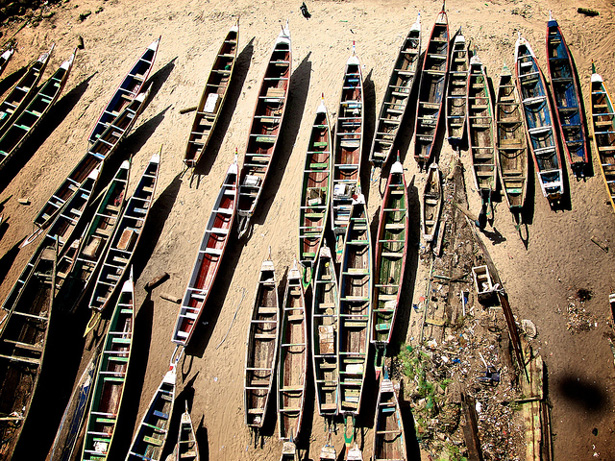
The 2011-12 West African food crisis led to riots in Senegal and Burkina Faso as well as food insecurity for millions of rural and urban poor across the region. The crisis emerged from a number of factors, including instability in northern Mali, increases in global food prices, and low rainfall in the 2010-2011 and 2011-2012 growing seasons. Many countries in the region are now reassessing and expanding domestic agricultural capabilities. At the top of the agenda for Senegal, a democratic republic on track to reach many Millennium Development Goals, is reducing youth unemployment and increasing domestic agricultural capacity.
-
Midwives, the Frontline and Backbone of Maternal Health, Face Insecure Working Environments
›
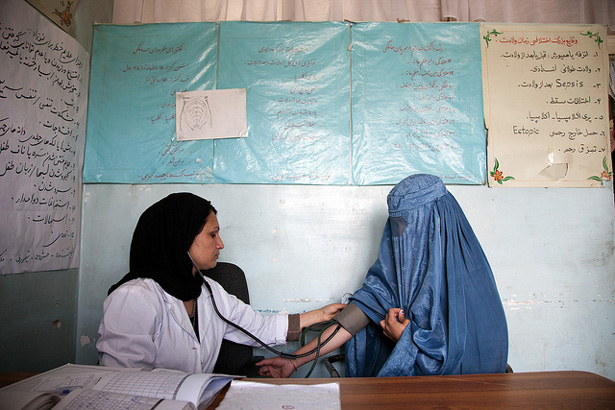
Midwives play a critical but unheralded role in maternal health. Their skills are sometimes marginalized in otherwise well-meaning discussions about professionalizing care, or even worse, they are subject to abuse, as was discussed at the Wilson Center earlier this month. So when I found the room overflowing at a Women Deliver panel yesterday on the disempowerment of midwives and how much it undermines global efforts to increase access to care, I took that as a good sign that midwives will not be overlooked much longer.
-
Women: Producers, Not Just Reproducers
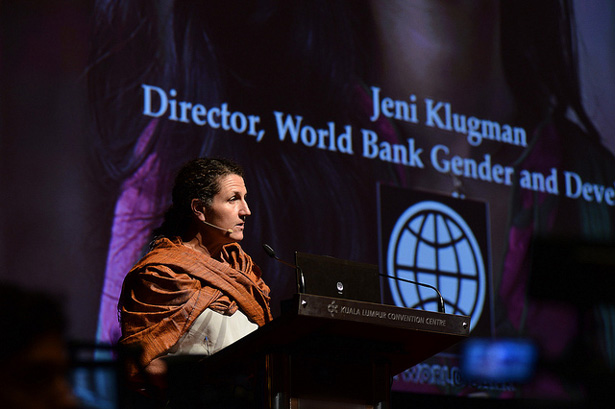
›A major theme on day one of the global Women Deliver conference here in Kuala Lumpur was that “women are not just reproducers, they’re producers.” That is, maternal health and other gender-related issues not only affect the lives of women, girls, and children, but help shape the economies and societies that they live in.
-
Measuring Community Resilience: Implications for Development Aid
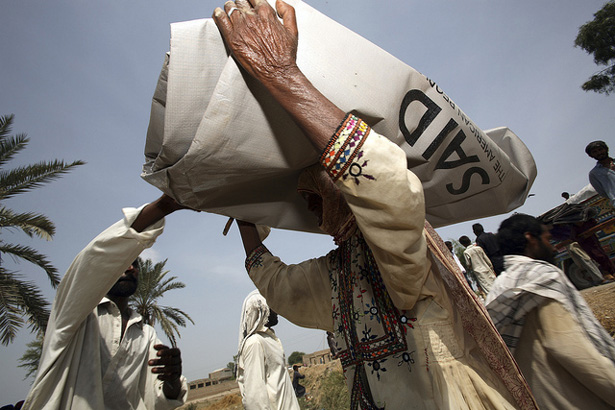
›A staggering amount of development dollars – one in three, in fact – are lost due to natural disasters and crises. Certain communities are less affected than others by such disasters; they are more resilient. Knowing where vulnerability and strength exist and how to bolster them could help avoid these losses. Yet, today, very little data exists to help development practitioners understand which adaptive capacities are lagging in a given community.
-
Spring Thaw: What Role Did Climate Change and Natural Resource Scarcity Play in the Arab Spring?
›Several high-profile reports in the last few months have suggested that climate change and natural resource scarcity contributed to the events that have rocked the Middle East and North Africa (MENA) since December 2010. Thomas Friedman is apparently working on a Showtime documentary about the topic. But what exactly was the role of environmental factors in the mass movement?
-
Backdraft: The Conflict Potential of Climate Change Adaptation and Mitigation (ECSP Report 14)
›Amid the growing number of reports warning that climate change could threaten national security, another potentially dangerous – but counterintuitive – dimension has been largely ignored. Could efforts to reduce our carbon footprint and lower our vulnerability to climate change inadvertently exacerbate existing conflicts – or create new ones?
-
Protecting Parks, Empowering People: Innovative Conservation and Development Projects in Mozambique and Zambia
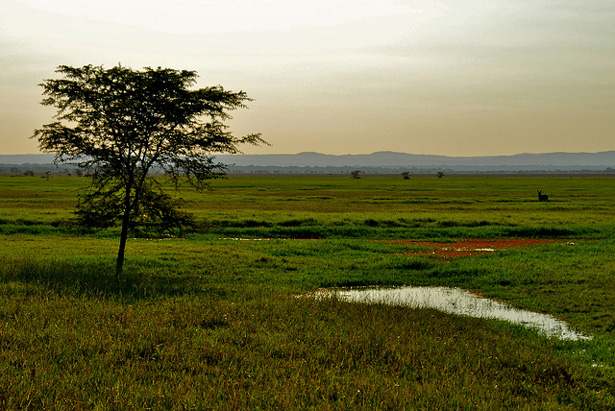
›Wildlife areas and parks are designed to preserve plant and animal life in biological hotspots, but what about the people who live nearby these hotspots? In many parts of East Africa, communities press right up against park boundaries and people have few alternatives but to draw on the natural resources of protected areas. Conservation efforts depend on these communities’ cooperation and the sustainability – both environmentally and economically – of their livelihoods. [Video Below]
-
Looking Back to Get Ahead: FEMA’s Strategic Foresight Initiative on Natural Disaster Preparedness
›Natural disasters have dominated news coverage in the past several years, with many observers noting a distressing rise in the frequency and scale of disasters as well as rising costs. Despite these worrying trends, a critical mass of leadership and public support for doing something about it is emerging.
Showing posts from category economics.