-
Minegolia: China and Mongolia’s Mining Boom
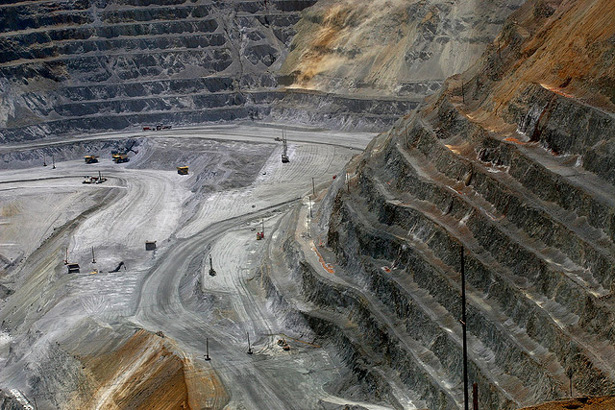
›China Environment Forum // Choke Point // July 16, 2013 // By Clement Huaweilang Dai & David Tyler GibsonChina’s economic boom appears to be contagious. Over the past few years, China’s northern neighbor has quietly caught the bug and become the world’s second-fastest growing economy, experiencing a GDP growth rate of approximately 17.3 percent in 2011.
-
Harry Verhoeven, ChinaDialogue
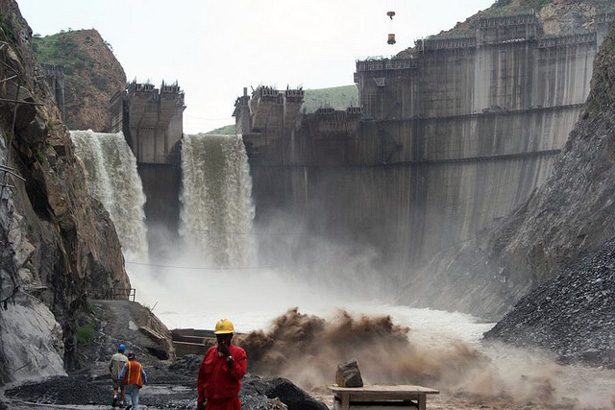
China Shifting Balance of Power in Nile River Basin
›
The original version of this article, by Harry Verhoeven, appeared on ChinaDialogue.
The growing intensification of economic, political and social ties between China and Africa in the last 15 years is often told as a story of copper, petrodollars, emerging Chinatowns, and bilateral visits by heads of state.
-
Stacy VanDeveer: “Green Economy” May Bring More of the Resource Curse
›
“We can’t talk about a ‘green economy,’ ‘green technologies,’ or ‘green energies’ only by talking about technologies that are stamped out at one end of a large global process and deployed for cleaner energy,” says Stacy VanDeveer in this week’s podcast.
“The green economy, or green energy transition, requires a lot of metals, and a whole lot of things that are mined,” he says. “Because of the scale of the industry now, the scale of the environmental and social change being driven by mining globally is actually quite stunning.”
-
Ghaith Abdul-Ahad, The Guardian
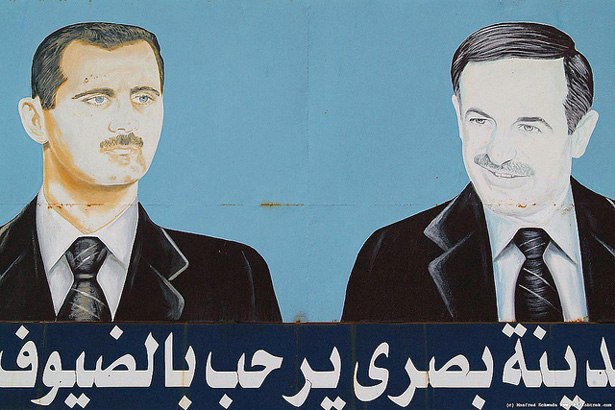
The Anarchy of Syria’s Oilfields
›June 27, 2013 // By Wilson Center StaffThe original version of this article, by Ghaith Abdul-Ahad, appeared on The Guardian.
A northern wind had been blowing since early morning, lifting a veil of dust that had blocked the sun and turned the sky the color of ash. Abu Zayed was sitting on the porch of his unfinished concrete home, watching the storm build. He loved sandstorms. They reminded him of Dubai, where he had lived before the war. He admired the people there for turning a desert into a paradise. They had vision, he told his followers.
-
Can Mexico Harness Its Demographic Dividend?
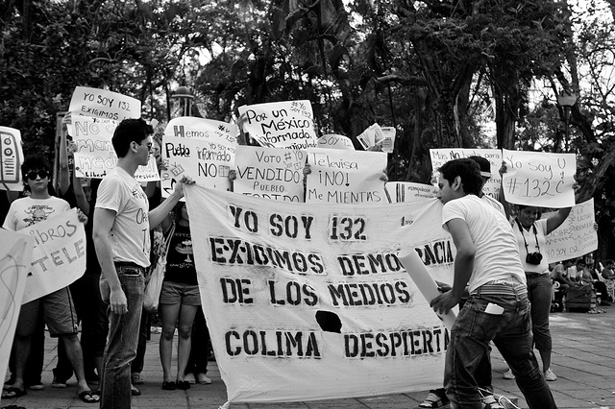
›Mexico’s 2012 elections were important for a host of reasons: the PRI party returned to power after 12 years of rule by the more conservative PAN; there was the first female presidential candidate from a major political party; and turn-out was historically high. They also proved that Mexico’s young people are not as apathetic as some may have thought, with the emergence of the #YoSoy132 student movement demanding fair press coverage.
-
The Leopard in the Well: Wilson Center and Circle of Blue Launch ‘Choke Point: India’
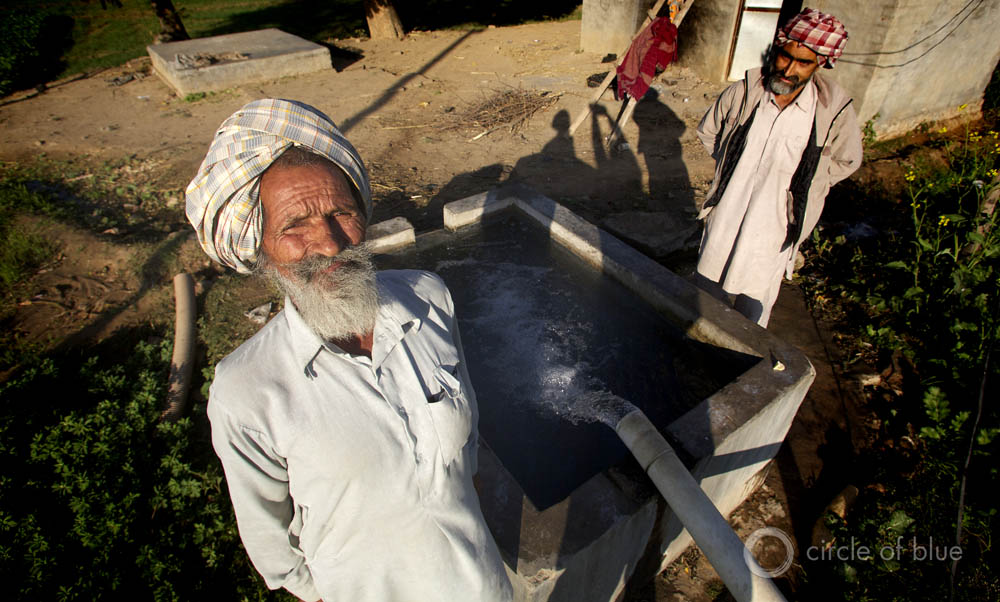
›The original version of this article, by Keith Schneider, appeared on Circle of Blue. Choke Point: India is a research and reporting initiative produced in partnership between Circle of Blue and the Wilson Center’s China Environment Forum and Asia Program.
Perhaps because India is so big, so bewildering and chaotic, and so determined to update its elusive rural identity with sleek urban flare, Indians and the national press are fascinated by how the nation’s wild animals are faring amid the dizzying change. In many cases, not well.
-
Despite “Greener Economy,” Extractive Industries’ Effects on Global Development, Stability Bigger Than Ever
›Despite the appearance of a new, “greener” economy, extractive industries – mining, oil, and natural gas – are now responsible for “moving more earth each year, just for mining and quarrying, than the global hydrological cycle,” writes the Transatlantic Academy’s Stacy VanDeveer in a recent paper, Still Digging: Extractive Industries, Resource Curses, and Transnational Governance in the Anthropocene. The costs of this activity are high and extend well beyond the wallet, he explains.
-
Michael Kugelman, The Diplomat
Can Pakistan Avert Demographic Doom?
›June 7, 2013 // By Wilson Center StaffThe original version of this article, by Michael Kugelman, appeared on The Diplomat.
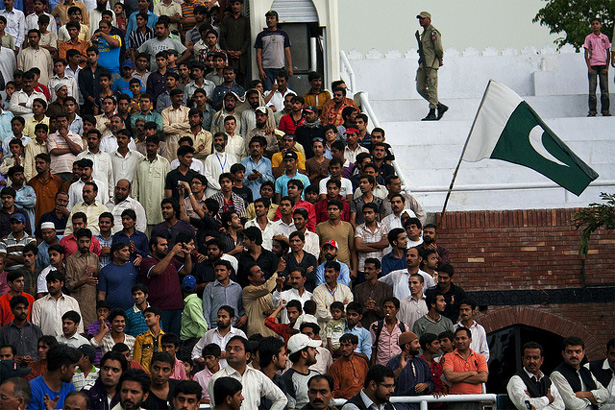
On May 11, Pakistan’s Election Day, approximately 60 percent of eligible voters went to the polls. This figure far exceeded the 44 percent who turned out for Pakistan’s previous election in 2008. Media reports have featured moving accounts of the elderly being carried to the polls, and of women standing in the heat for hours to cast their ballots.
Showing posts from category economics.