-
Codi Yeager-Kozacek, Circle of Blue
Water a Key Issue As Developing Countries Drive Growth in Global Food Production
›August 22, 2013 // By Wilson Center Staff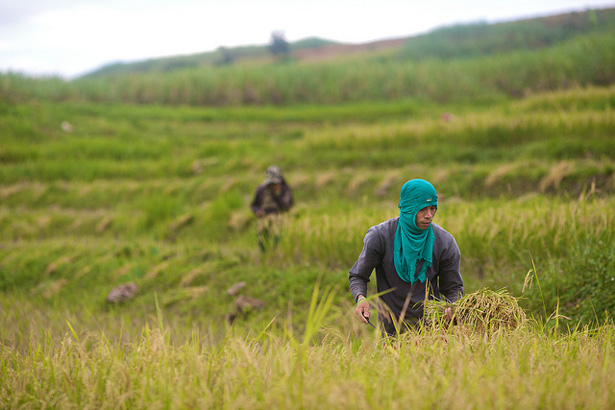
The original version of this article, by Codi Yeager-Kozacek, appeared on Circle of Blue.
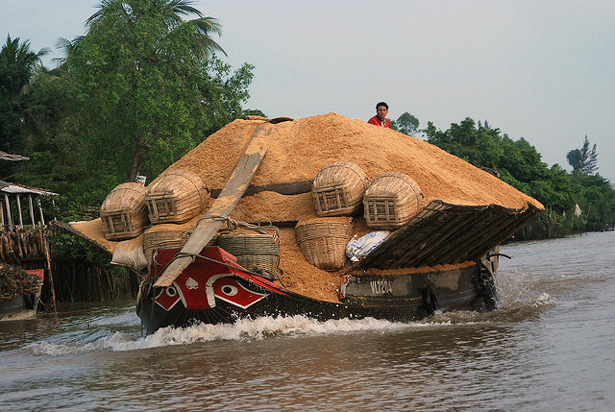
Developing countries will account for much of the world’s growth in agricultural production, demand, and trade during the next decade, as production growth in developed countries slows, according to reports from leading food policy organizations. The shift will pose challenges for the quality and abundance of water supplies in regions like South America, Asia, and Africa.
-
Photo Essay: Wuhai City Coal Complex Shows Costs of China’s Energy Demands
›
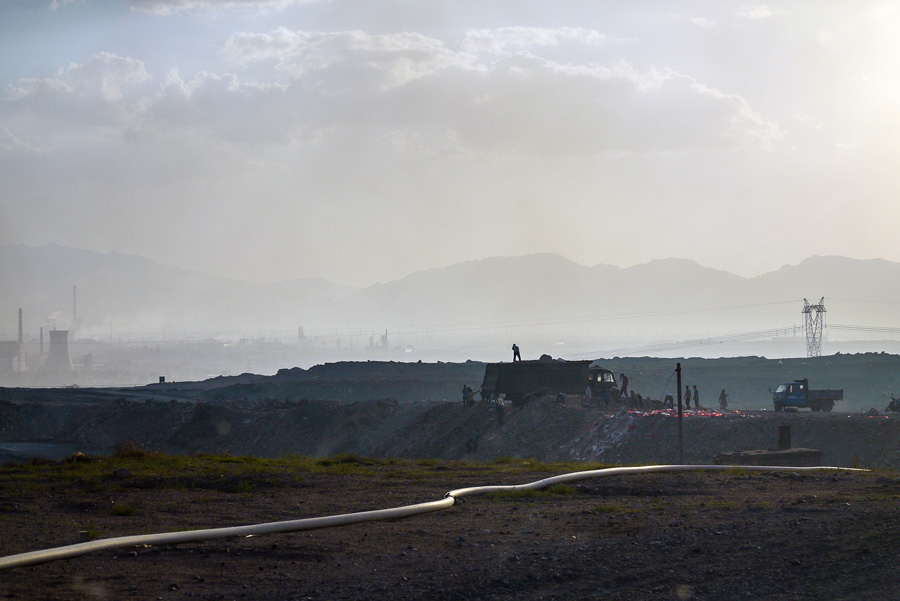
The black, blasted landscape of Wuhai City sometimes looks more like the moon than Inner Mongolia. But this scene is becoming all too common across much of Northern China. China’s massive coal industry is not only polluting the air and water, but also fundamentally altering the surrounding landscape and communities.
-
Harnessing the Demographic Dividend: PRB’s ENGAGE Presentations Look to Empower, Educate
›The demographic dividend – the idea that a decline from high to low rates of population growth can lead to dramatic economic gains – has become something of a buzzword in development circles. Sub-Saharan Africa holds the single largest block of remaining high fertility countries and while headlines tend towards the dramatic about demographic shifts there, less column space has been devoted to examining the underlying issues causing these shifts or the other changes that will be necessary for countries to benefit from them.
-
The Great Anatolia Project: Is Water Management a Panacea or Crisis Multiplier for Turkey’s Kurds?
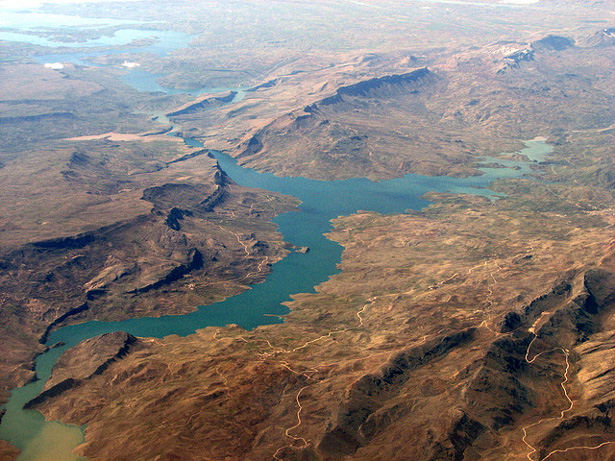
›During the Gezi Park protests last month in Istanbul, Turks and Kurds dismissed historical mistrust and banded together against Prime Minister Erdogan’s growing authoritarianism. Some have suggested the newly unifying cause has strengthened momentum for a long-standing solution to Kurdish autonomy and rights in Turkey. Still it may be water that the fate of Kurdish ambitions is most tied to, rather than officials in Ankara or protestors in Istanbul.
-
Miriam Temin: Migrant Girls, Forced or Not, Need Safety Nets
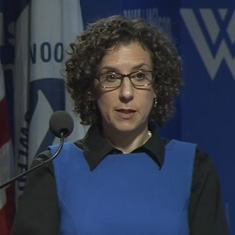
›“There’s a common myth that migrant girls are forced to move against their will, but in fact what we’ve found through our research is that most migrant girls are involved in the decision to move,” said the Population Council’s Miriam Temin in this week’s podcast.
Temin spoke at the launch of her and her colleagues’ new report, Girls on the Move: Adolescent Girls and Migration in the Developing World, about the economic incentives for girls to migrate and the risks involved for them.
-
Margarita Mora, Human Nature
Peruvian Farmers Change Attitudes Toward Forest Protection
›The original version of this article, by Margarita Mora, appeared on Conservation International’s Human Nature blog.
I first visited Peru’s Alto Mayo Protected Forest in 2008. At the time, deforestation rates there were among the highest in the country. CI-Peru wanted to find a way to help communities and Peru’s National Service of Natural Protected Areas (SERNANP) keep their trees standing.
-
From Ethiopia to Egypt, Girls’ Education Programs Combat Child Marriage
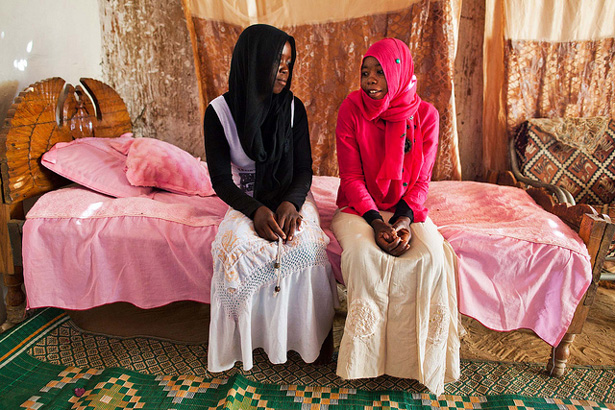
›According to the UN Population Fund, more than 140 million girls will become child brides between 2011 and 2020 – an estimated 14.2 million young girls marrying too young every year or 39,000 daily. The majority of these girls do not receive access to education or reproductive health services. [Video Below]
-
Mike Ives, Yale Environment 360
Vietnam’s Rice Boom Has Steep Environmental Costs for Mekong Delta
›July 17, 2013 // By Wilson Center StaffThe original version of this article, by Mike Ives, appeared on Yale Environment 360.
Phan Dinh Duc leans against yellow sacks of freshly harvested rice. It’s a warm spring evening in Vietnam’s Mekong Delta, and Duc, a local farmer, is waiting for traders to arrive by truck to purchase his produce and sell it on commodities markets. Beyond him lies a vast checkerboard of rice paddies, each filled with water and bordered by a network of canals and roughly 10-foot-high earthen dikes. They enable year-round rice cultivation in an area where, a half century ago, vast floodplains typically lay fallow for half the year and farmers planted one annual rice crop that grew in tandem with seasonal floods.
Showing posts from category economics.