-
China’s Environmental Crisis Through the Lens: Interview With Photojournalist Sean Gallagher
›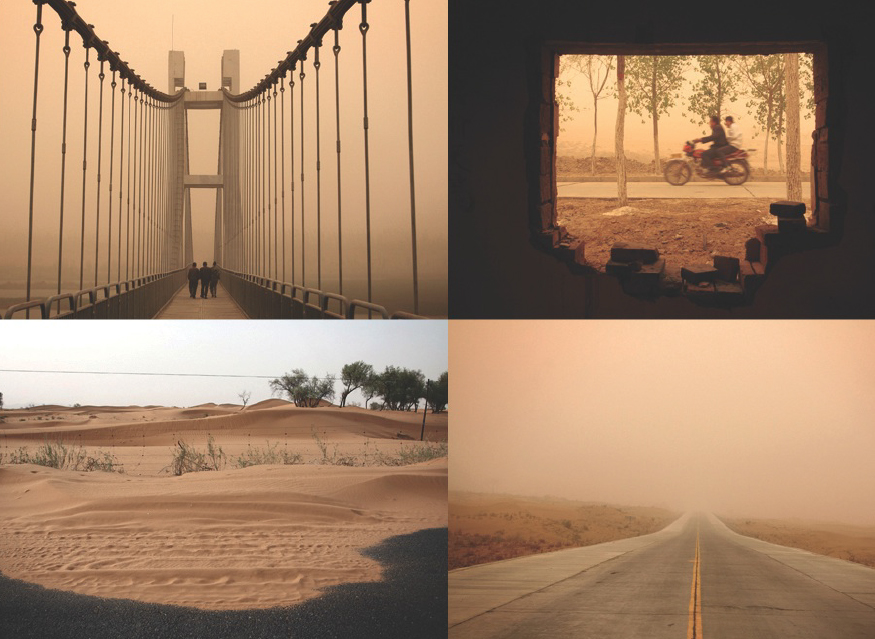
China is one of the world’s 12 “mega-biodiversity” countries, but its incredible natural landscapes, from Sichuan’s sparkling, turquoise-colored lakes to Guilin’s dramatic karst topography, are bearing the cost of rapid economic development, writes British environmental photojournalist and videographer Sean Gallagher in a new multimedia e-book.
-
Southeast Asia’s Haze Problem a Harbinger of Challenges to Come
›
The original version of this article first appeared on The Globalist.
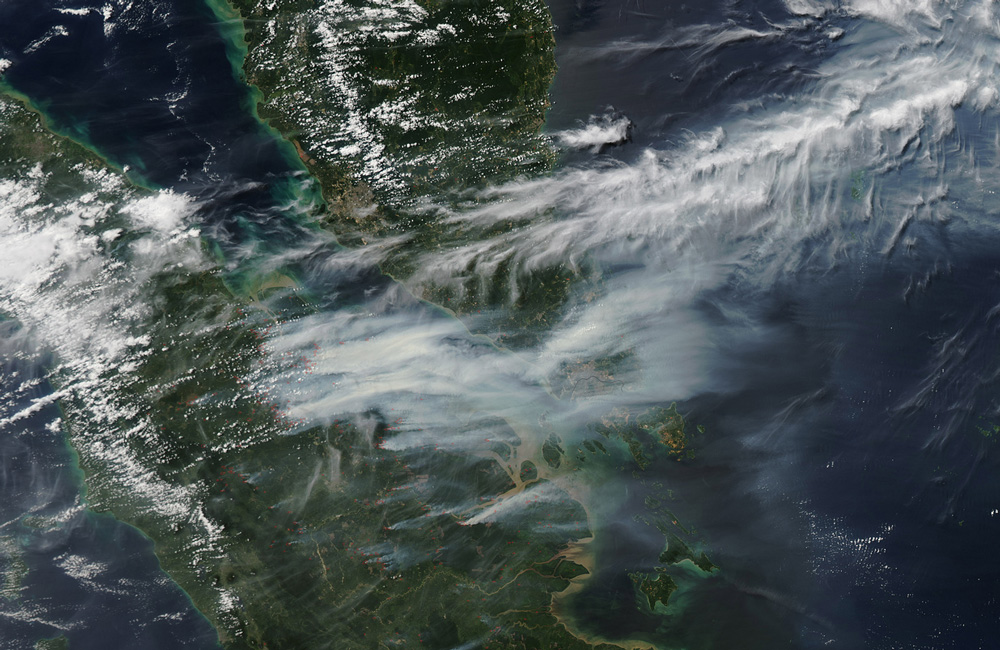
Haze may be the new weapon of mass destruction. Not in the narrow sense of an incoming ballistic missile, of course, but for millions in Southeast Asia, this summer’s sooty haze poses a threat more dire than a nuclear-tipped missile.
-
For Fast-Growing Countries, Should Aging Be a Concern? Planning for the Second Demographic Dividend
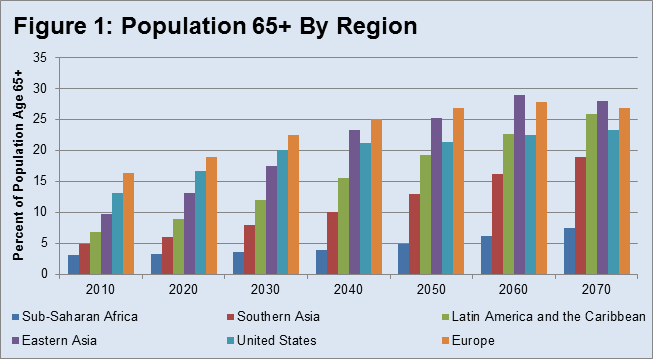
›September 10, 2013 // By Elizabeth Leahy MadsenPopulation aging and decline are frequently described as a threat to countries’ economic development and social stability. Evocative language, such as “demographic winter” and “graying of the great powers,” portrays the serious consequences that many observers envision as fertility and growth rates decline and the elderly comprise a greater percentage of the population. These concerns reach around the globe, including in Africa, which has the lowest percentage of elderly among the world’s major regions.
-
Development vs. Conservation: Global Trends in the Battle Over Oil in Ecuador’s Yasuní Rainforest
›Ecuador, the OPEC member with the smallest amount of proven oil reserves, has gained outsized attention in the debate over the future of oil extraction in recent days and may well play a decisive role in the outcome of the global tension between economic development and environmental conservation.
-
Geoff Dabelko on Avoiding Conflict From Climate Adaptation
›
Although major global action remains stymied in many respects, policymakers around the world are increasingly at least recognizing the need to increase resilience to the effects of climate change. But are the consequences from hastily implemented initiatives being adequately considered? Perhaps not.
-
Dennis Taenzler, ECC Platform
What’s Next in European Climate Diplomacy?
›September 5, 2013 // By Wilson Center StaffThe original version of this article appeared on the Environment, Conflict, and Cooperation (ECC) Platform.
At the end of June, the European Union Foreign Affairs Council adopted a set of conclusions on EU climate diplomacy that left us with mixed feelings. Acknowledging and recalling that climate change is of paramount importance is commonplace – too often quoted and very seldom followed by decisive action. Explicit reference to the positive results of the Durban and Doha climate conferences is even a reason to get nervous. Many negotiators and observers will doubt a similarly enthusiastic framing for the most recent results.
-
DOD’s Daniel Chiu: Climate, Energy Concerns Emblematic of Future Security Challenges
›
Factoring in the costs of fuel in operations, both in terms of the monetary and battlefield effect, is a relatively new development for the U.S. military. “Our view was, when we were at war, we would bear those costs,” says U.S. Deputy Assistant Secretary of Defense for Strategy Daniel Chiu in this week’s podcast. “However, as we have started to appreciate the nature of the kinds of military challenges we face, we’ve realized this is not a sustainable approach.”
-
Coastal Resource Management, Family Planning Integration Build Resilience in Madagascar and The Gambia
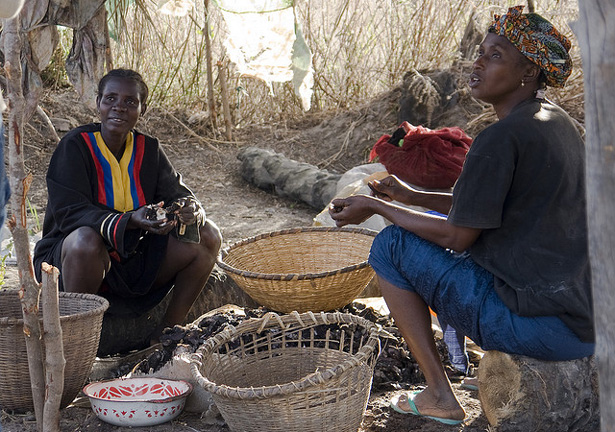
›Growing awareness of the connected challenges of natural resource management, economic growth, and human health has encouraged more integrated models of international development. The experience of two organizations – TRY Oyster Women’s Association, based in The Gambia, and Blue Ventures, based in Madagascar – demonstrates the success of a community-based approach to building resilience, enabling communities to bounce back from adversity and establish a long-term basis for development. [Video Below]
Showing posts from category economics.