-
What Does It Take to Cooperate? Transboundary Water Management Around the World
›
Water is the foundation of human society and will become even more critical as population growth, development, and climate change put pressure on already-shrinking water resources in the years ahead. But will this scarcity fuel conflict between countries with shared waters, as some have predicted, or will it create more impetus for cooperation?
-
Petro-Aggression: When Oil Causes War
›
One year ago, the United States government froze all property of the Central Bank of Iran and other Iranian financial institutions within the United States. The move was part of a broader effort to compel the Islamic Republic to give up its alleged nuclear weapons program. How is it working out?
-
Addressing Urban Environmental Health and Maternal Mortality in Developing Countries
›Although climate change is a global phenomenon, developing countries – especially urban centers – are the most vulnerable to the negative health impacts of climate change. In “Urban Governance of Climate Change and Health,” a working paper for the Norwegian Institute for Urban and Regional Research, author Siri Bjerkreim Hellevik reviews the existing literature on governments’ responses to climate change and health in developing urban centers. Overall, Hellevik concludes that there is a substantial need for more research specifically linking the two. She offers several recommendations for urban policymakers to consider, including developing an integrated and multi-level approach, and recognizing that human health and urban development are issues of global justice. -
Josh Wood, The New York Times
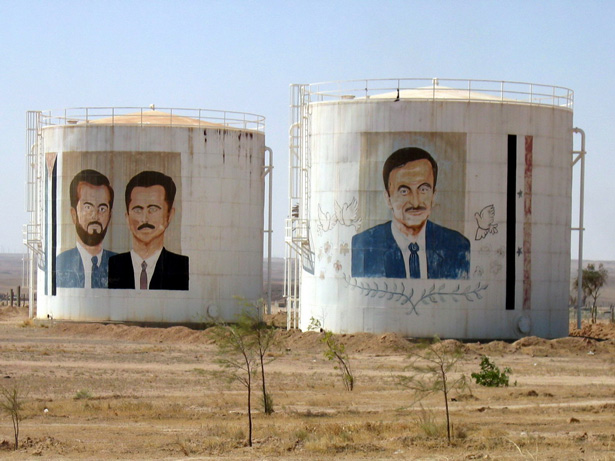
Assad Regime, Rebels, and Kurds Vie for Control of Syria’s Oil
›April 23, 2013 // By Wilson Center StaffThe original version of this article, by Josh Wood, appeared on The New York Times.
Once highly dependent on revenue from petroleum sales, the Syrian government has lost control of many of the country’s major oil fields over the past few months as Kurdish forces and the rebel Free Syrian Army have made significant gains in the east.
-
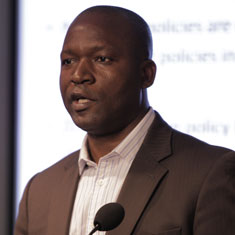
Eliya Zulu on the Integration Imperative in African Development
›“[Family planning] has great value for women’s health, for children’s health, but it also has great value for the environment, and it can also help…to promote economic development,” says Eliya Zulu in this week’s podcast. Zulu talks about the research he has conducted as executive director of the African Institute for Development Policy and emphasizes the need to pay attention to population and climate issues both at higher levels of development policy discussion and grassroots action. “We need to make sure we integrate at all levels,” he says.
-
Nora Hawkins and Laura Johnson, State of the Planet
New Report on Effects of Environmental Indicators and Indices on Policymaking
›April 15, 2013 // By Wilson Center StaffThe original version of this article, by Nora Hawkins and Laura Johnson, appeared on State of the Planet.
As creators of the Environmental Performance Index (EPI), we are often asked if the EPI has measurable impacts on environmental decision-making. The short answer is yes; from promoting re-evaluation of air pollution policy in South Korea to inspiring the creation of seafood sustainability indicators in North America, the EPI has tangible influences on environmental actions throughout the world.
-
Once-in-a-Species Opportunity: For a World Free of Poverty, Seize the Demographic Dividend in Africa
›April 11, 2013 // By Laurie MazurA world “free from the stain of poverty” is within our grasp, declared World Bank President Jim Yong Kim in a speech at Georgetown University last week. Kim then announced a plan to virtually eradicate extreme poverty by 2030.
-
Jay Gribble, Behind the Numbers
Four Steps to Thailand’s Demographic Dividend
›April 4, 2013 // By Wilson Center StaffThailand often is held up as a model of success for its efforts in family planning, but it’s amazing how quickly the country has transformed from rural and very poor to the modern economic powerhouse it is today in a matter of a few decades. Yet Dr. Kosit Panpiemras, former minister of finance and industry of Thailand, laid out the story of Thailand’s success in four succinct points. It wasn’t easy for Thailand to accomplish its goals, but the policies and investments the country made were strategic and targeted.
Showing posts from category economics.