-
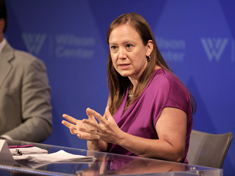
Suzanne Ehlers: Global Development Agenda Needs Re-Framing to Focus on Rights of Young People
›
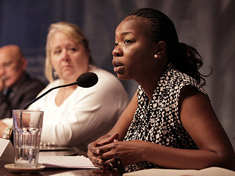
Successfully incorporating the rights of young people and women into whatever development agenda succeeds the Millennium Development Goals next year hinges not only on the scope of new goals, but how those goals are worded, says Suzanne Ehlers in this week’s podcast.
-
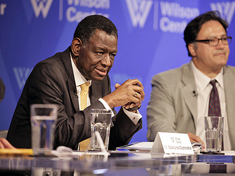
Babatunde Osotimehin: “The Youth Agenda Has Never Been More Important”
›
More than 1.8 billion people – nearly a third of the global population – are between the ages of 10 and 24, comprising the largest-ever generation of young people. According to Babatunde Osotimehin, executive director of the United Nations Population Fund (UNFPA), “how we meet the needs and aspirations of these young people will define the world’s future.”
-
India’s Faltering Energy Production, Damaged Water Resources Demand Modi’s Close Attention
›
India’s new prime minister swept into office in May on a message of aspiration and a reputation for action.
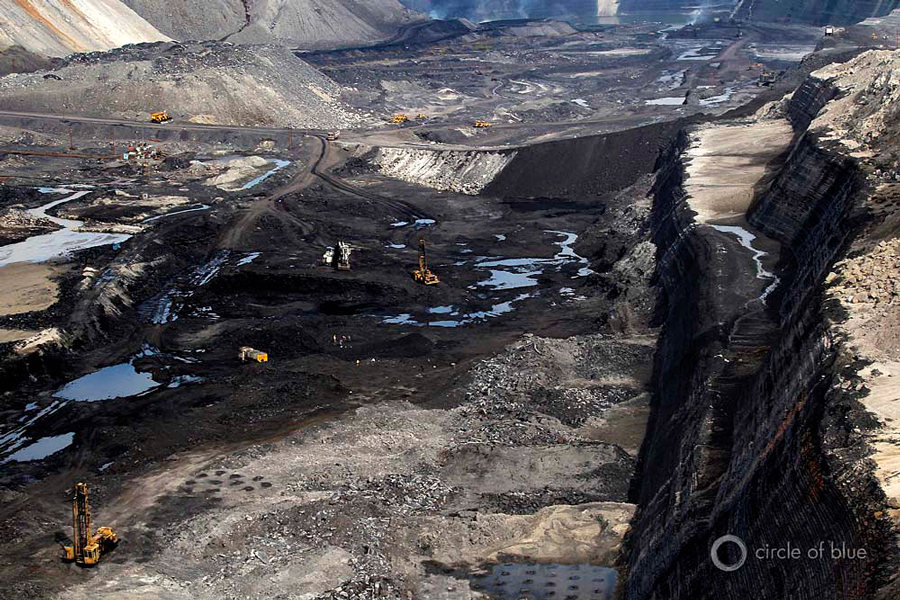
During the nearly 13 years that Narendra Modi served as chief minister of Gujarat before becoming prime minister, his successes included drastically curtailing the number of hours that manufacturers in India’s premier industrial state went without electricity. The state’s transmission grid was strengthened and he promoted the development of 900 megawatts of solar generating capacity (equivalent to a large nuclear plant).
-
Lisa Palmer, Future Food 2050
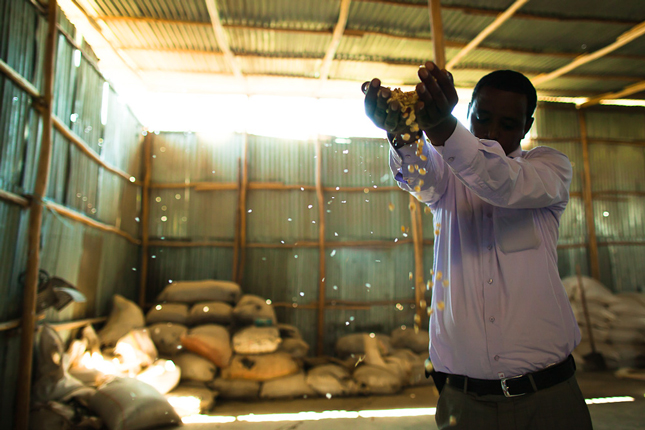
The Politics of Food Technology Innovation for Africa
›July 22, 2014 // By Wilson Center StaffAs a boy growing up on the shores of Lake Victoria in Kenya, Harvard international development professor Calestous Juma noticed a thing or two about innovations designed to bring more food into his community. He noticed, for instance, that the fishermen were always tinkering with new ways to trap fish while his father, a carpenter, would build the traps. He also noticed that his grandmother, a peanut grower, and other farmers who grew traditional crops such as sweet potatoes, struggled with ways to increase production beyond simply planting the best quality seeds and tubers.
-
Antenatal Care as an Instrument of Change: Innovative Models for Low-Resource Settings
›A roadside billboard in Malawi reads: “No woman should die while giving life.” But in many countries, death or grave injury during childbirth is an all too frequent occurrence. [Video Below]
-
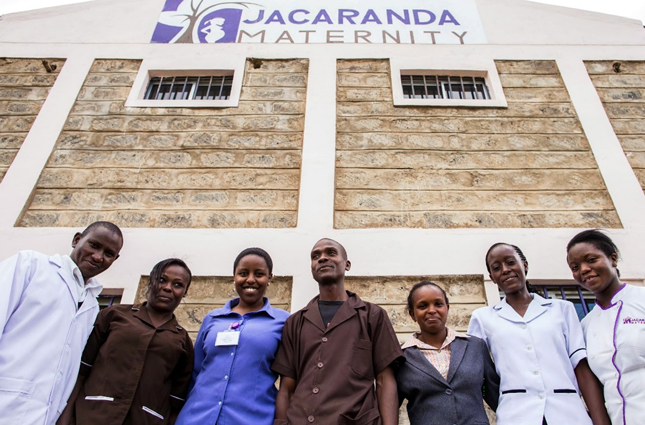
Quality vs. Quantity: Faith Muigai on Providing Antenatal Care in Nairobi
›
In the quest to improve maternal health care for the world’s poorest women, getting more mothers into clinics for regular check-ups during pregnancy is often trumpeted as a critical starting point. But delivering antenatal care to women in low-resource settings is as much about quality as it is about quantity, says Faith Muigai in this week’s podcast.
-
Brian Kahn, Climate Central
Weather Disasters Have Cost the Globe $2.4 Trillion
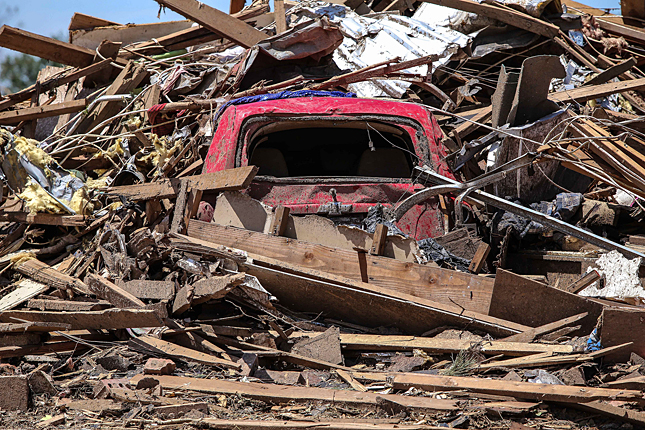
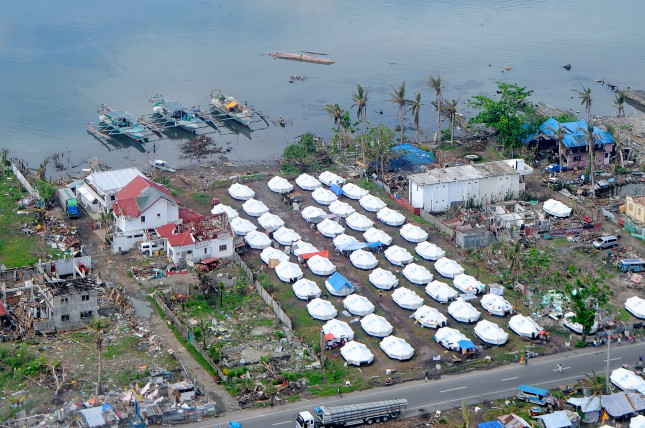
›July 17, 2014 // By Wilson Center StaffWeather- and climate-related disasters have caused $2.4 trillion in economic losses and nearly 2 million deaths globally since 1971 according to a new report. While the losses are staggering, the report also shows that we have learned from past disasters, lessons the world will need as development continues in hazardous areas and the climate continues to change.
-
A Closer Look at USAID’s Climate Strategy: Climate-Smart Development a Work in Progress
›July 14, 2014 // By Kathleen MogelgaardIn March, the Intergovernmental Panel on Climate Change released its latest comprehensive synthesis of climate change research. The report concludes that “impacts from recent climate-related extremes, such as heat waves, droughts, floods, cyclones, and wildfires, reveal significant vulnerability and exposure of some ecosystems and many human systems to current climate variability.”
Showing posts from category economics.