-
Dividend or Divide? Africa’s Demographic Challenge
›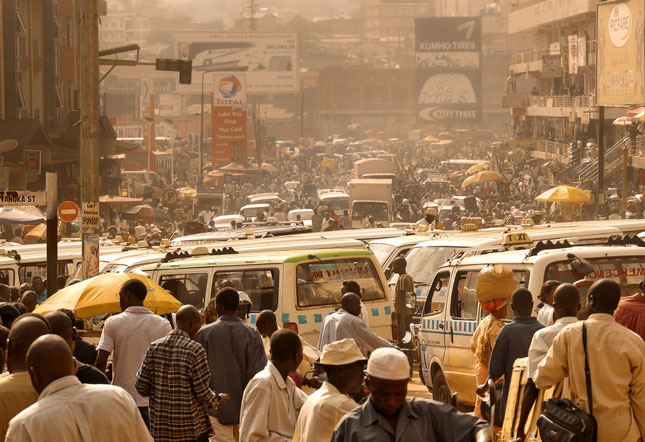
“Sub-Saharan Africa’s young people are in effect the global labor force of the future,” said Jack Goldstone at the Wilson Center on October 15. “Whether they are productive, how large that cohort turns out to be, whether they find work or not, is going to have a bearing, I think, on all of us.” [Video Below]
-
A New Population Paradigm? Wolfgang Lutz on the “Education Effect”
›
If you want to understand global population dynamics, you have to look past quantity and look at quality, says Wolfgang Lutz, founding director of the Wittgenstein Center for Demography and Global Human Capital, in this week’s podcast.
-
Exhausting the Planet: Jonathan Foley on Balancing Food Security With Environmental Sustainability
›
-
What’s Youth Got to Do With It? Investing in Youth Sexual and Reproductive Health a Development Bargain
›“Half of the world’s population is under 30 – any development agenda would have to address their needs, including their health needs, as part of accomplishing development goals,” said Jennifer Adams, deputy assistant administrator at USAID’s Bureau for Global Health, at the Wilson Center on September 24. [Video Below]
-
More Focused Priorities Critical for Sustainable Development Goals, Says Genevieve Maricle
›
Leaders from around the world gathered in New York last month to discuss the replacements for the Millennium Development Goals, which expire next year. The topics included human rights, economic development, justice, disarmament, and terrorism, just to name a few. And that’s a problem, says Genevieve Maricle, policy adviser to the U.S. Ambassador at the U.S. Mission to the UN, in this week’s podcast.
-
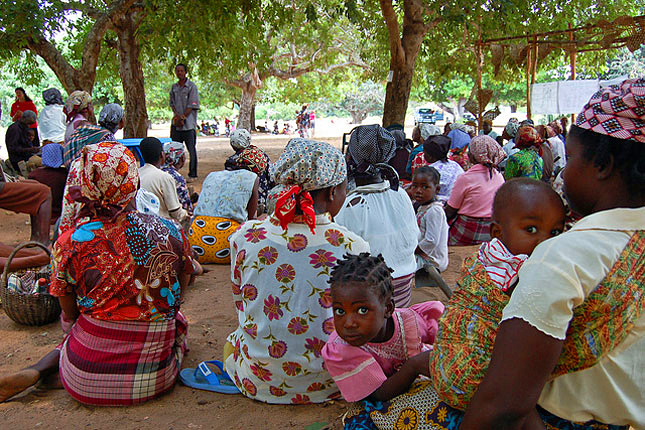
Is Food Aid Helpful or Harmful in Conflict-Affected Areas?
›Food aid is one of the most common humanitarian interventions, but it has come under increasing scrutiny from some observers who charge it may not be an effective means of addressing food security and may actually make matters worse. Two recent studies examine the relationship between food aid and conflict, shedding light on both sides of an ongoing debate. -
High Poverty: Medicinal Plants Offer Way Forward for Nepal’s Mountain Communities
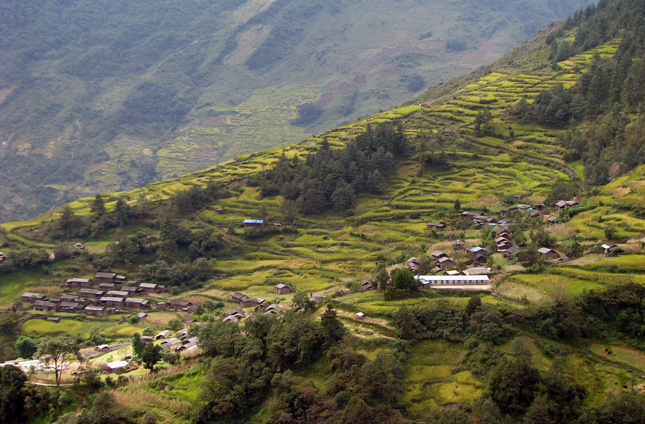
›In a tiny village called Chepuwa in the Sankhuwasabha district of Nepal, high in the Himalayas and almost four days’ trek from the nearest road, Mikmar Bhote has been growing and selling medicinal and aromatic plants for five years.
-
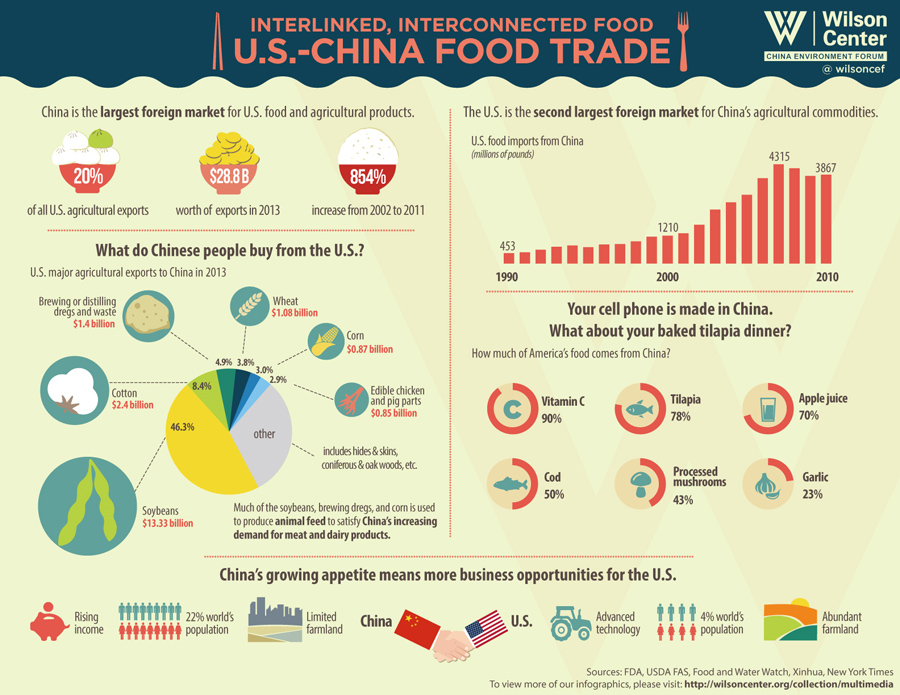
Infographic: The Rise of U.S.-China Agricultural Trade
›China faces a dilemma. It is home to 20 percent of the world’s population but only seven percent of the world’s water resources and nine percent of the world’s arable land. At the same time, a rising middle class is demanding more food. Over the last 30 years, China’s meat demand has quadrupled.
Showing posts from category economics.