

-
Two Decades Trying to Solve China’s Environmental Problems: An Interview With WWF’s Tao Hu
›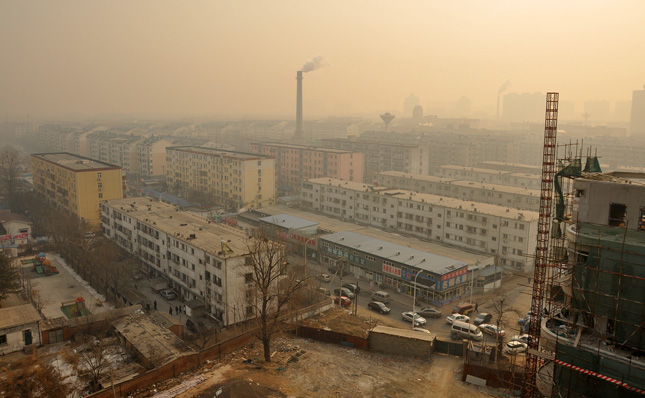
Despite some critics, the recent U.S.-China agreement over carbon emissions has sparked remarkable optimism in global climate negotiations. It’s also opened the door to new bilateral engagement between the U.S. and Chinese environmental communities on other issues, including China’s massive air pollution problems (16 of the world’s 20 most polluted cities are in China).
-
Fossil Fuel Boom Rewiring North America’s Energy Infrastructure
›
Until two years ago, when the National Wildlife Federation pointed out their presence, the 61-year-old steel oil pipelines running beneath the fast-flowing Mackinac Straits between Lake Michigan and Lake Huron were like nearly every other piece of North America’s energy transport network: out of sight and out of mind.
-
Feeding Unrest: A Closer Look at the Relationship Between Food Prices and Sociopolitical Conflict
›From the Roman poet Juvenal’s observations about bread and circuses to Marie Antoinette’s proclamation, “let them eat cake!” the link between food and political stability is well established in pop culture. In academic and policy circles, however, it’s a source of considerable debate.
-
Lisa Palmer, Future Food 2050
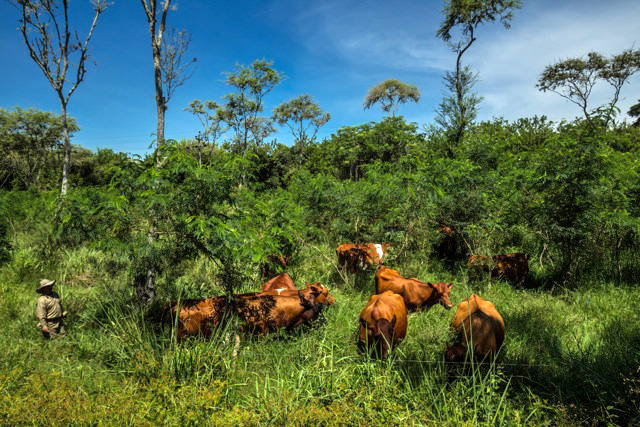
Greener Pastures for Cattle Ranching
›November 26, 2014 // By Wilson Center StaffImagine an overgrown perennial garden. Impenetrable, shrubby bushes knit themselves together in long rows. Grasses reach chest high. Native hardwood trees hog the perimeter.
-
Unprecedented Coal Shutdown Tests Authority of India’s New Court
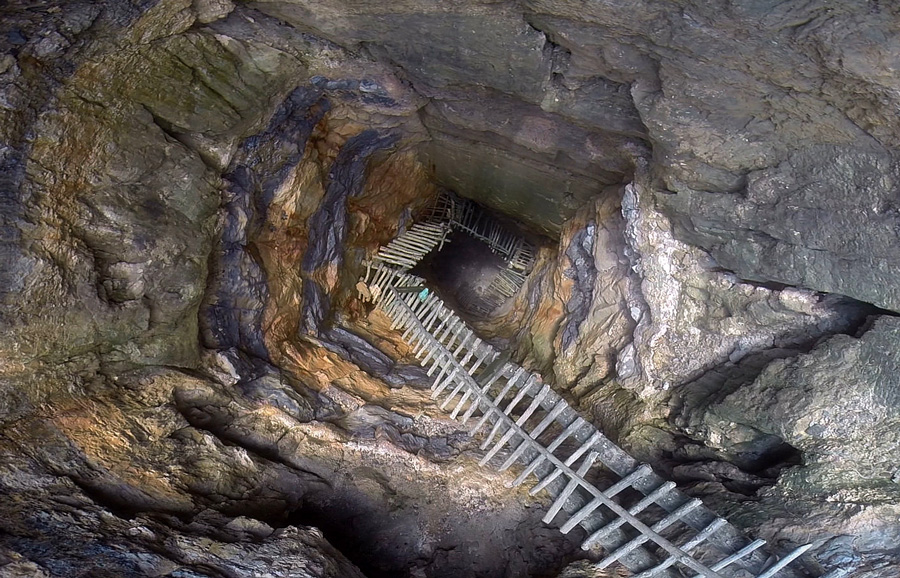
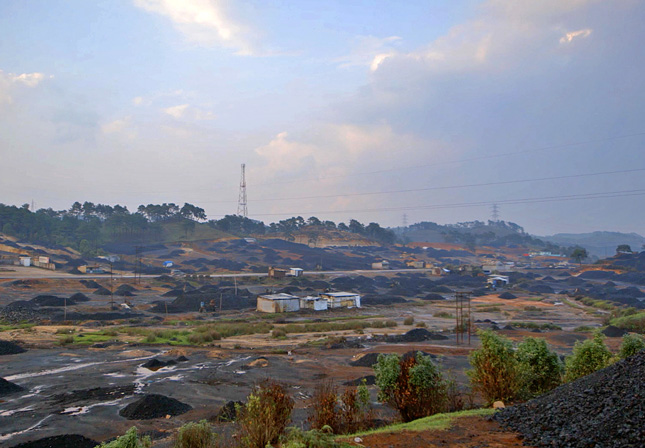
›JOWAI, India – On April 17, in a ruling that stunned miners, truckers, and owners in this region of black dust and rivers that run the colors of the rainbow, India’s National Green Tribunal ordered the state of Meghalaya’s $650 million coal mining industry to shut down.
-
World Population and Human Capital in the 21st Century
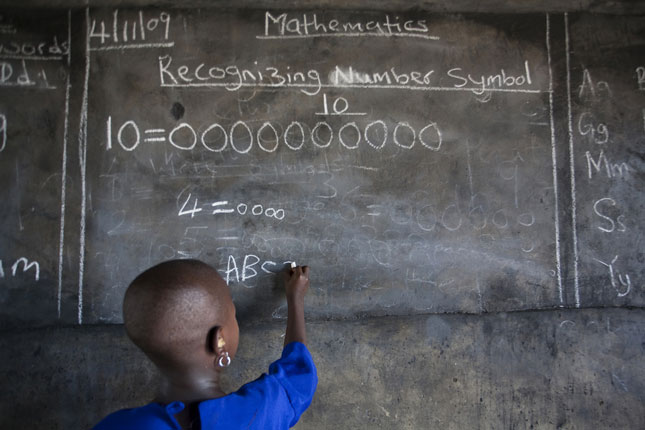
›With UN demographers more certain than ever that global population will reach between 10 and 12 billion by the end of the century, the challenge of building a sustainable future seems daunting. But according to Wolfgang Lutz, founding director of the Vienna-based Wittgenstein Center for Demography and Global Human Capital, these projections miss one crucial variable: increasing levels of education. [Video Below]
-
India’s National Green Tribunal Charts Bold Course Towards Sustainable Development
›SHILLONG, India – India’s National Green Tribunal (NGT), a judicial body with legal authority that ranks just below the Supreme Court, is quickly emerging as one of the world’s most important forums for testing the idea that economic advancement is tightly wired to public safety and the security of water, air, and land.
-
Water and New Development Path Are Priorities in U.S.-China Climate Agreement
›NEW DELHI, India – There are nearly 1.3 billion people in this swarming democracy, where over 66 percent of eligible voters cast ballots in the general election last May. A few of them took me aside this week to express surprise at the puzzle that is the American electorate and its national leadership.
Showing posts from category economics.


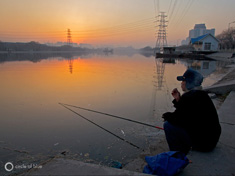 NEW DELHI, India – There are nearly 1.3 billion people in this swarming democracy, where over 66 percent of eligible voters cast ballots in the general election last May. A few of them took me aside this week to express surprise at the puzzle that is the American electorate and its national leadership.

