-
Untapped Opportunities? The Need to Integrate Young Women in Water Management
›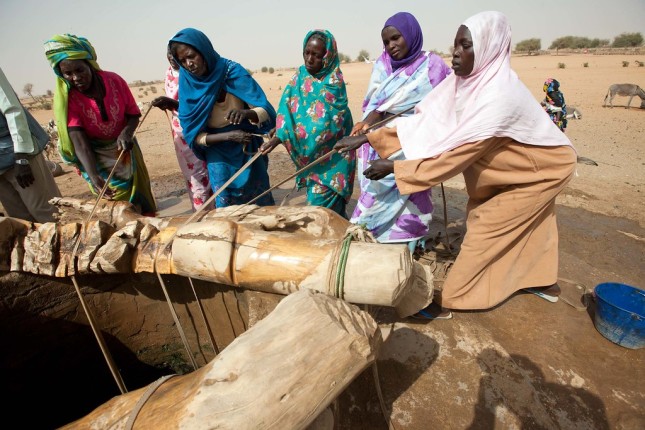
Water security is a pervasive climate issue and one that has increasingly been viewed as a gendered issue. Worldwide, women and girls spend 200 million hours collecting water every day. While doing so, they place themselves at increased risk of assault and become more likely to develop medical issues related to physical labor. They also pay an opportunity cost, as this time could be better spent in school or performing other productive tasks.
-
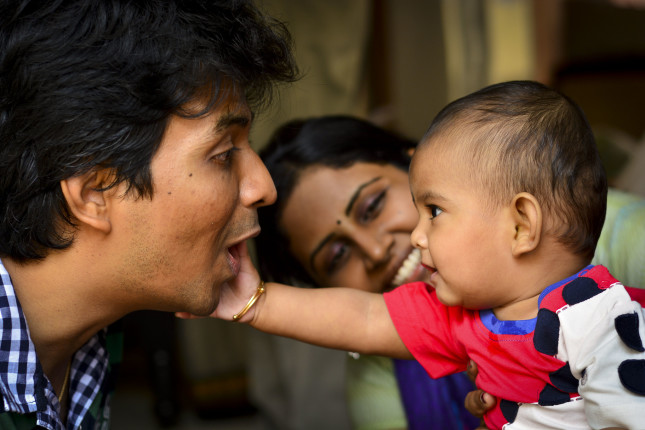
To Accelerate Economic Growth, Uganda Should Prioritize Young People’s Health Care
›
Even though it has always been said that young people are the future of society, it is important to note that we are very much present. We are ready to thrive and become productive adults. Unfortunately, many adolescents and young people are robbed of their potential. We still face a high risk of unplanned pregnancy, sexually transmitted infections, teenage pregnancy, early child bearing, unsafe abortions, and dropping out of school.
-
Removing Barriers to Family Planning Essential for Conservation, Groups Agree
›The voluntary use of family planning, among its many benefits, is good for sustaining the healthy ecosystems that support all wild plant and animal species. This should be common sense. If your mission is environmental conservation, you should want to help remove barriers to reproductive health services, so that all women can space wanted pregnancies and avoid unintended ones.
-
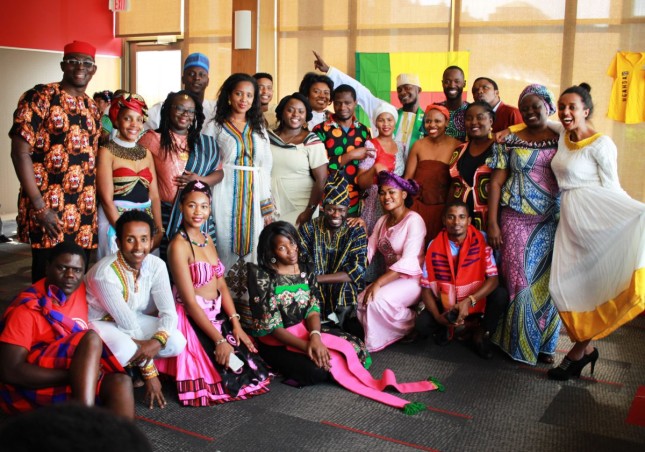
Africa in Transition: Highlights from a Conversation on Investing in Youth for Economic Prosperity
›Africa in Transition, a new series hosted by the Wilson Center and the Population Institute, explores the role of population trends—migration, urbanization, fertility, maternal mortality—in shaping sub-Saharan Africa’s chances for prosperity, health, and security. In this podcast, we share highlights from the first Africa in Transition event. Parfait Eloundou-Enyegue, Professor at Cornell University, starts the conversation by reminding us that “African countries are in the middle of multiple transitions that have the potential to create opportunities for prosperity, growth, and increased human capital, but also to create greater inequality. The challenge, therefore, is to build prosperity, but to do it for all.”
-
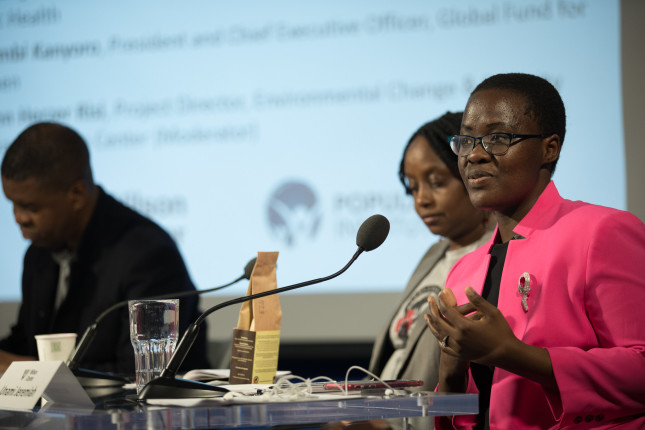
ICPD at 25: Unfinished Business Points to Unmet Needs
›“The ICPD (International Conference on Population and Development) Programme of Action is a promise. A promise that was made 25 years ago to young people, the intention of which was to give young people hope—hope that their rights, their needs, and their demands would be met,” said Kobe Smith, Vice President of the Youth Advocacy Movement at International Planned Parenthood Federation/ Western Hemisphere Region, at a recent Wilson Center event. This year marks the 25th anniversary of ICPD in Cairo.
-
The Global Care Tilt: Migrant Caregivers Flock to Wealthy Countries to Meet Rising Demand
›With rapidly aging populations and rising levels of female employment, the United States and other wealthy nations are facing unprecedented demands for non-familial care. These nations vary in their ability to address such demands. Those with more robust welfare states, including publicly supported, high-quality child care and elder care services and facilities, are generally able to meet growing needs for care, while those with weaker welfare states experience severe “care deficits,” leaving families with few alternatives. Increasingly, in the United States and elsewhere in the developed world, families are turning to migrants—usually women—to solve their care dilemmas.
-
Does Demographic Change Set the Pace of Development?
›The research presented in this article was subsequently published in a peer-reviewed article: https://doi.org/10.1093/acrefore/9780190228637.013.327
This year, 2018, marks the 60th anniversary of a landmark publication by a pair of academic social scientists who first recognized the close relationship between population age structure (the distribution of a country’s population, by age) and development. In Population Growth and Development in Low Income Countries (Princeton U. Press, 1958), demographer Ansley Coale (1917-2002) and economist Edgar M. Hoover (1907-1992) theorized that eventual declines in fertility would transform developing-country age structures. Coale and Hoover demonstrated that these newly transformed age structures would exhibit larger shares of citizens in the working ages, and smaller shares of dependent children and seniors (Fig. 1). This transition, they argued, would someday help lift countries with youthful populations in Asia, Latin America, and Africa out of the low-income bracket.
-
How a Healthcare Company is Helping Tackle Unpaid Carers’ Health Problems
›As populations age, countries around the globe are beginning to focus attention on unpaid caregivers. Such people typically spend hours each day bathing, feeding, and helping an elderly or disabled relative. Often, they undermine their own health and career to take care of a loved one.
Showing posts from category demography.