-
Ensuring Today’s Youth Become Tomorrow’s Successful Adults
›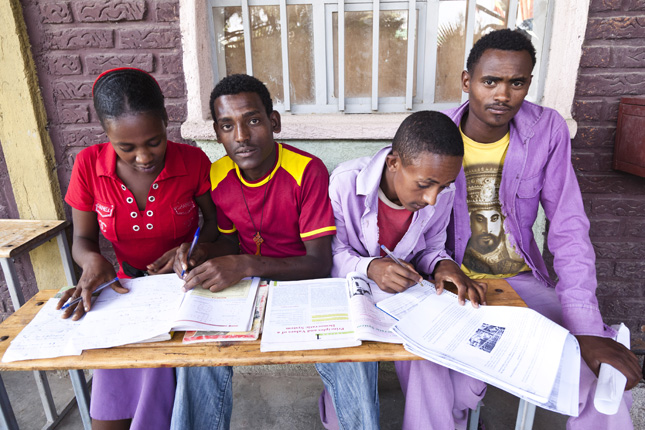
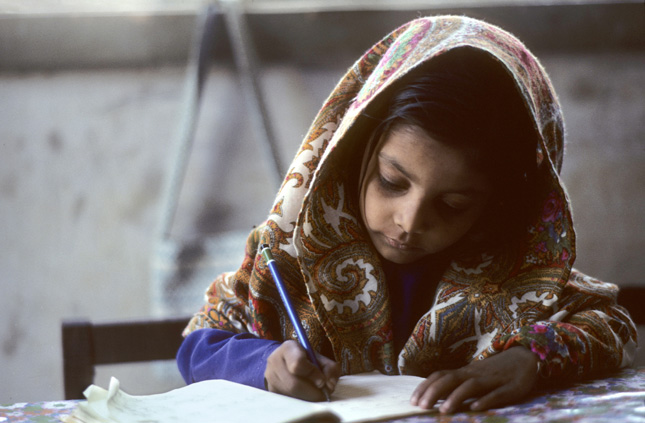
The future of global security will depend in large part on the fate of today’s 1.2 billion young people. Do youth between the ages of 15 and 24—a critical phase of life—possess the necessary social, physical, intellectual, and financial building blocks to underpin productive, healthy adulthoods? Or do they lack this solid base, putting them at risk of personal and social instability?
-
All in a Generation: Stopping Conflict, Building Peace, and Saving the Environment
›September 21, 2017 // By Anuj Krishnamurthy
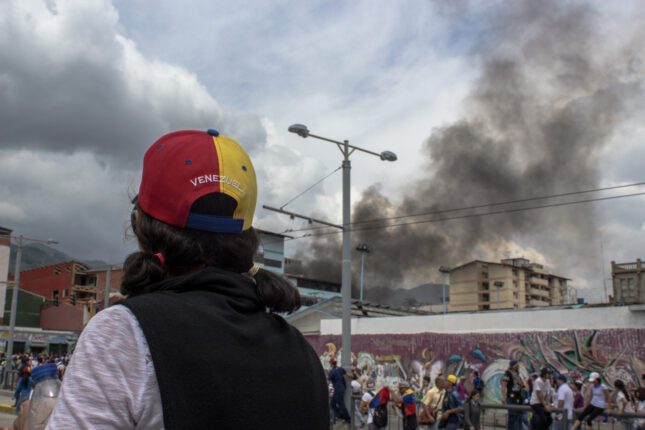
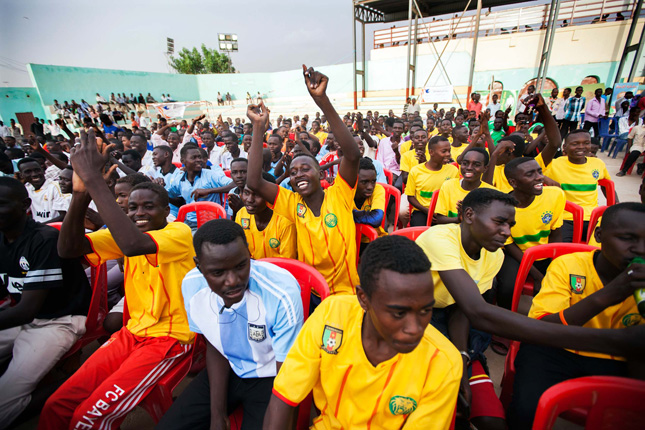
Today, world leaders gathered in New York for the United Nations General Assembly will celebrate the International Day of Peace, observed annually since 1981. This year’s Peace Day is centered on the theme of togetherness, and the importance of securing safety and dignity for all people – including youth. By all accounts, young people are critical to the success of peacebuilding efforts, and the dignitaries at the United Nations would do well to consider how empowered youth can make meaningful contributions to the fields of governance and development. Already, young people around the world are being called upon to protect natural resources, facilitate transboundary dialogue, and resist injustice. And as new threats to human security – including climate change and environmental degradation – emerge, harnessing the full potential of youth will prove essential to initiating a new chapter of sustainable peace.
-
Climate Change and Women’s Health: New Studies Find Overlooked Links
›The intersection of reproductive health and climate change is an understudied nexus in academic literature. In her Nature article, “Considering Climate in Studies of Fertility and Reproductive Health in Poor Countries,” Kathryn Grace looks at how studies of contemporary fertility transitions are better served when they include the impacts of climate change. -
The Economic Costs of Child Marriage
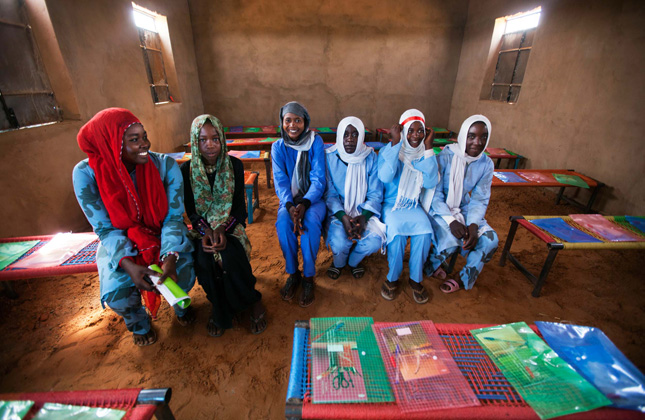
›“It’s essentially an issue of a lack of viable alternatives,” said Quentin Wodon, lead economist for the World Bank’s Education Global Practice at a recent event on child marriage at the World Bank. “We have to create those alternatives.” Wodon co-presented the results of a new research study, “At What Cost? The Economic Impacts of Child Marriage,” by the World Bank Group and the International Center for Research on Women (ICRW).
-
In Lesotho, Population Pressures Have Created a Perfect Storm of Human Insecurity
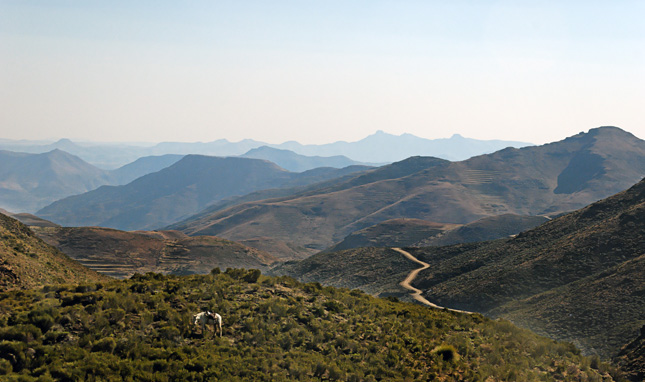
›Since declaring its independence in 1966, Lesotho has faced severe challenges to virtually every dimension of human security, writes Eugene Linden in a recent New York Times opinion article. In recent years, drought – coupled with widespread soil erosion and rapid population growth – has pushed a large portion of Lesotho’s two million people to the verge of starvation, which Linden calls “just one example of how fragile the future seems for Africa, large parts of which face the prospect of new famine and, in consequence, further catastrophic displacement within and among their growing populations.”
-
Sustainable Development Approaches to Youth and the Demographic Dividend
›“Investing in youth is a recipe for success,” said Elizabeth Dawes Gay, senior policy analyst at the Population Reference Bureau (PRB), during a webinar on June 22, 2017, organized by PRB’s PACE project on the connections between the population, health, environment (PHE) approach to international development, and achieving the demographic dividend.
-
8 Rules of Political Demography That Help Forecast Tomorrow’s World
›In a world rapidly churning out unpredictable political shocks, intelligence analysts occasionally need to clear their heads of the daily barrage of newsworthy events and instead work with simple theories that discern the direction and speed of trends and help predict their outcomes. Political demography, the study of population age structures and their relationships to political trends and events, has helped some analysts predict geopolitical changes in a world that, from time to time, appears utterly chaotic. -
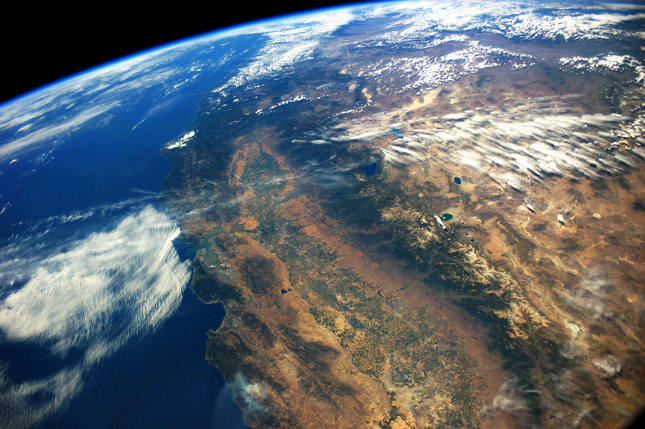
Historic Drought Prompts Water Innovation in California – Can It Be a Model?
›Pray for rain. Mega-drought. Winter salmon run nearly extinguished. Sierra snowpack dismal. These were just some of the headlines in California newspapers over the last five years during a historic drought that elevated water security to the top of everyone’s minds.
Showing posts from category demography.
 The intersection of reproductive health and climate change is an