-
Generation 2030: The Strategic Imperative of Youth Civic and Political Engagement
›
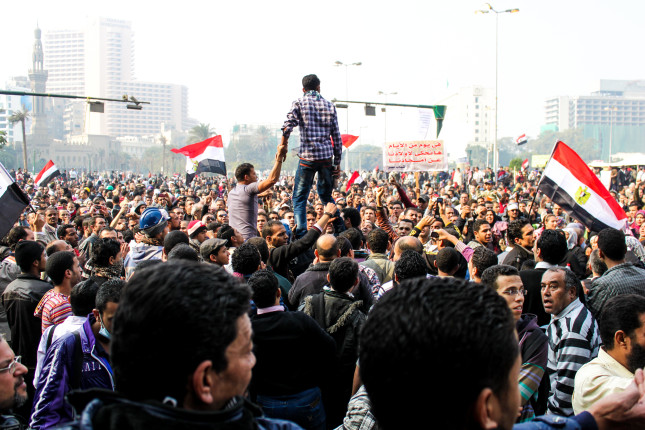
According to a recent poll, young people are deeply concerned about the world they will inherit, want to be more engaged in meeting the development needs of their communities, and are helping to lead democracy or social justice protests in their countries. At the same time, new research shows a large decline in trust and admiration for democratic governance. According to Freedom House, for the first time in decades, authoritarian leaning regimes outnumber democratic leaning ones, with a majority of the world’s population now living in authoritarian leaning countries.
-
The Biden Administration’s Whole of Government Approach to Climate Security
›
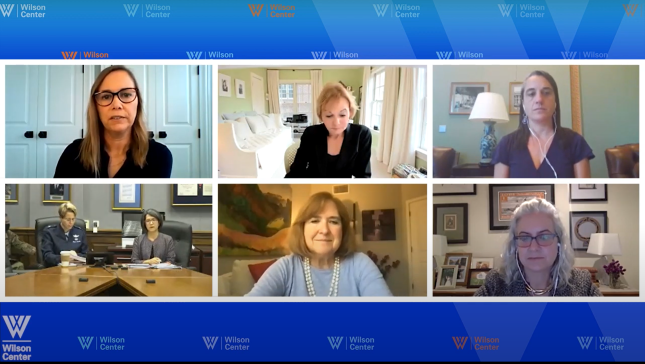
“Climate change is an increasingly destabilizing force—an accelerating destabilization force—and it’s impacting our operational environment, it’s creating new missions, and our allies and partners are going to be called to respond to these increased demands,” said Brigadier General Rebecca Sonkiss, Deputy Director for Counter Threats and International Cooperation at the Joint Staff J5, at a recent event hosted by the Wilson Center and the Center for Climate and Security. At the event, senior U.S. Government officials reflected on the significance of the Biden administration’s new climate security reports and how climate security is being prioritized and coordinated across defense and development, providing insight into the administration’s whole-of-government approach.
-
Climate Change and Nuclear War: Existential Threats on a “Split Screen”
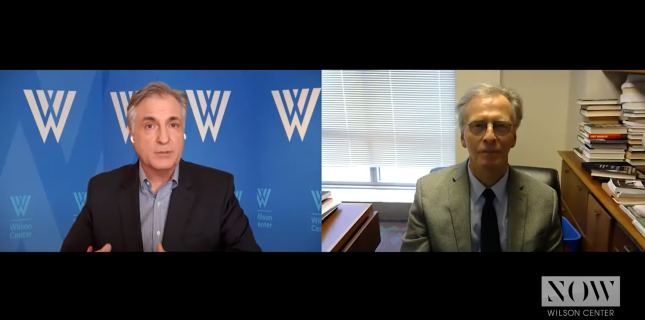
›“In international relations today, we face two truly existential threats—in climate change and in nuclear war,” says Robert Litwak, Senior Vice President for Scholars and Director of International Security Studies, in a new episode of Wilson NOW. The interview with Litwak focuses on his new article, “Geostrategic Competition and Climate Change: Avoiding the Unmanageable,” recently published in 21st Century Diplomacy: Foreign Policy is Climate Policy.
-
Predicting the Rise and Demise of Liberal Democracy: How Well Did We Do?
›In 2007, at the (U.S.) National Intelligence Council, a colleague and I set out to determine if we could forecast two distinct political phenomena, the rise and the demise of high levels of democracy. To guide our decade-long forecasts, we relied on a simple statistical model and a spreadsheet of demographic projections from the UN’s 2006 World Population Prospects data set. Now that the experimental period (from 2010 to 2020) has ended, we can look back and ask: How well did these forecasts perform?
-
Recommendations for the Biden Administration on Climate Migration
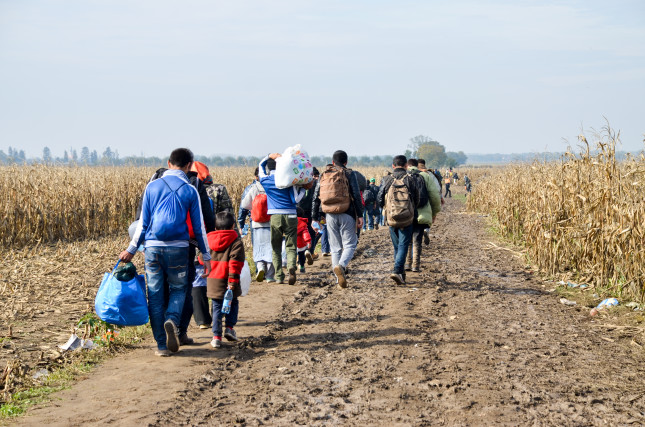
›“There is little doubt that tens of millions of people will be displaced over the next two to three decades due in large measure by disaster and other environmental changes affected by climate, with the majority displaced within the borders of their own countries. The United States has a special responsibility to lead on issues of climate change, migration, and displacement,” said Eric Schwartz, President of Refugees International, at a recent event presenting a Blue-Ribbon Task Force report on climate change and migration.
-
The Top 5 Posts of June 2021
›In our top post for June, Steve Gale shares 5 consequences out of the National Intelligence Council’s recently released Global Trends report that development actors should be particularly attuned to. In addition to the “long tail” of the COVID-19 pandemic, the report recognizes the environmental consequences of climate change, including unprecedented numbers of wildfires, increased intensity of tropical storms, and sea-level rise. As a result, migration will be more pronounced and require more targeted aid approaches as demographics shift.
-
Local Environmental Governance to Reduce Conflict and Deforestation in Afghanistan
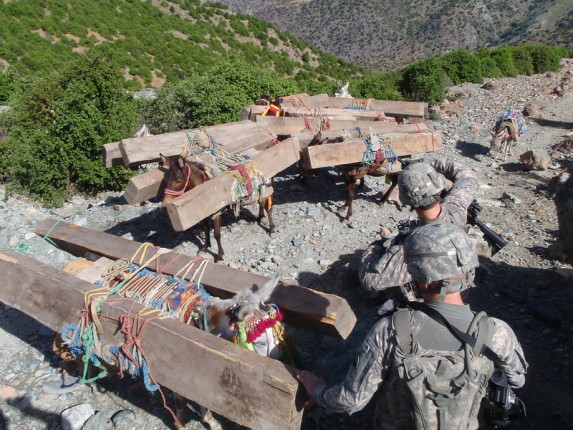
›How should the international community support the stabilization of Afghanistan after U.S. and NATO troops withdraw? Answers from President Biden, high ranking U.S. administration officials, and lawmakers have focused on funding the Afghan military and police and remotely retaining U.S. lethal capacity. Development aid is mentioned only in the vaguest of terms. But as withdrawal plans solidify, peace and resilience against insurgencies urgently require the administration to shift the focus to development and include support for local environmental governance. Looking at how crucial forests are to Afghanistan’s local economy and governance systems, we sketch the resource-conflict links and propose possibilities for local, environmental governance that the international community could support to quell insurgency and build the political, economic, and environmental foundations for peace in the country.
-
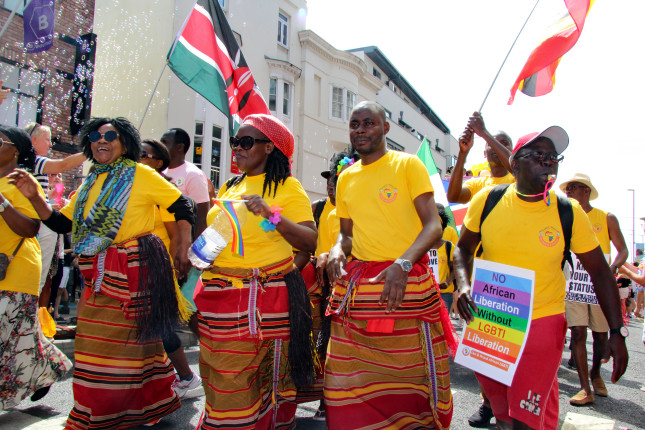
Heteronormativity in the International Development Sector and Why We Need to Get Over It
›After enduring sexual violence in the DRC conflict, Steven Kighoma fled to Uganda where he became an activist with the NGO, Men of Hope Refugee Association, supporting male victims of conflict-related sexual violence. The experiences of male victims include rape, being forced to watch family members being raped, being beaten on the genitals, and enduring other kinds of abuse. Compounding their trauma, men who have suffered sexual violence in the region are often seen as not properly masculine and face homophobic violence and criminalization, regardless of their sexual orientation. In addition, they face exclusion from survivor support services which assume that only women face sexual violence.
The biggest challenge is “the ignorance of the government, the medical institutions, the community, not knowing a male victim of sexual violence exists,” says Kighoma. “There is a confusion when you talk about male victims of sexual violence. People confuse it with homosexuality.”
Showing posts from category democracy and governance.