-
ECSP Weekly Watch | February 5 – 9
›
A window into what we are reading at the Wilson Center’s Environmental Change and Security Program
El Niño and Global Warming’s Shared Impact on Chile and California (New York Times)
Devastating wildfires have killed over 120 people in Chile, where a decade-long drought has created extreme fire weather conditions. While the country has experienced wildfires for years, a recent study found that unusually warm ocean temperatures created by El Niño have combined with climate-fueled droughts and heat waves to contribute to the wildfires now raging.
-
Water, Corruption, and Security in Iran
›
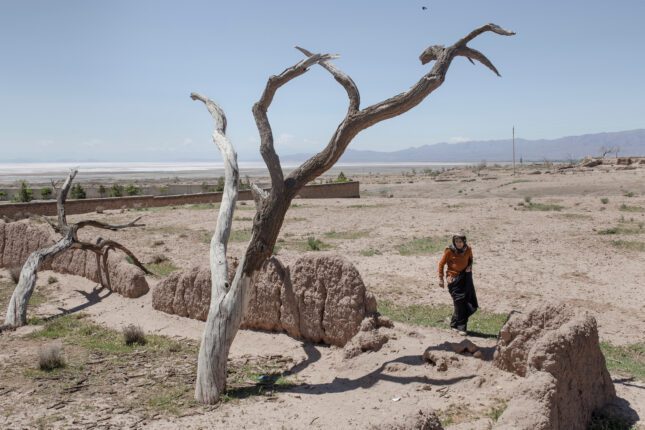
This past summer was the hottest on record, bringing devastating impacts to many global communities. Iran was one of many nations that faced both debilitating heat and the subsequent water stress.
While Iran’s problems received significant media attention this year, water scarcity in the country is not a new problem. For decades, corruption and poor planning have plagued Iranian water policy, with impacts falling upon its increasingly disadvantaged provinces and, ultimately, on its ethnic minorities. Poor water policy also has contributed to an increasing number of cross-border disputes.
-
ECSP Weekly Watch | December 18 – 22
›A window into what we are reading at the Wilson Center’s Environmental Change and Security Program
Severe Water Crisis in Gaza
As intensive coverage of the war in Gaza has waned, the severe water crisis there has only worsened. Constant bombardment is impacting water production and distribution networks, forcing children and families are using water from unsafe sources.
-
Age Structure: The Root of sub-Saharan Africa’s Governance Problems?
›The research presented in this article was subsequently published in a peer-reviewed article: https://www.degruyter.com/document/doi/10.1515/spp-2023-0029/html
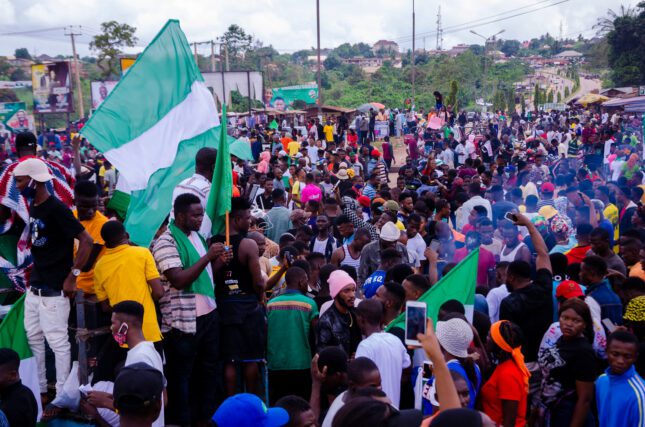
Sub-Saharan Africa’s sluggish economic growth and brittle political structures are clear challenges for the region. And two major development theories—one strictly political, the other demographic—seem to steer parallel courses in explaining them.
-
ECSP Weekly Watch | November 27 – December 1
›A window into what we are reading at the Wilson Center’s Environmental Change and Security Program
Why is COP Important?
Governments, policymakers, advocates, and observers have entered another annual UN climate conference cycle. Known as a “COP” (or “conference of parties”), these annual government-level gatherings focus on climate action, including assessments of progress toward the Paris Agreement and the creation of even more ambitious plans.
-
Gaza, Yemen, Syria, Human Rights, and Oil: The Elephants in the COP28 Room
›The annual multilateral Conference of the Parties (COP) has become one of the most important meetings on the global agenda. So the fact that the United Arab Emirates (UAE) will host COP28 starting this week in Dubai—on the coattails of another Arab country, Egypt, hosting COP27 in 2022—is a big deal. Bringing such important international meetings to the Global South is a step forward in decentering and reorienting global climate action.
-
Can China’s Eco-Authoritarianism Lead Global Climate Action?
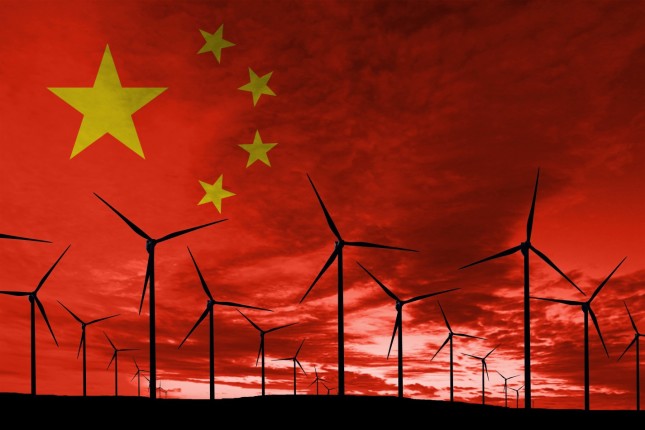
›In a time where climate action is urgent, there are debates how China’s “eco-authoritarianism” can move climate and environmental policies faster than in liberal democracies. Although eco-authoritarianism has some benefits, it is no “green bullet” as divisions between China’s central and local governments and a lack of civic participation can slow or derail some climate and pollution policies.
-
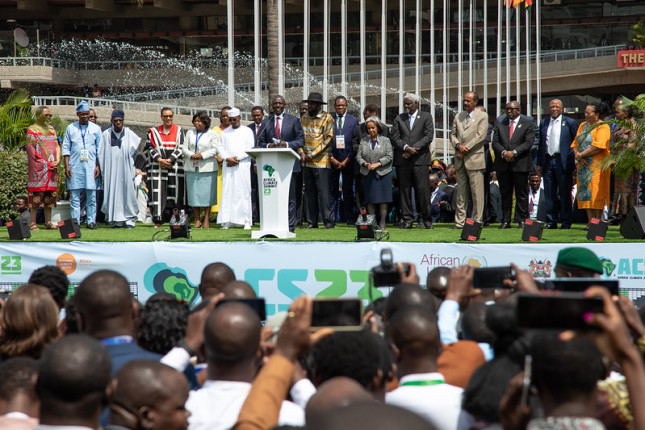
Africa’s First Climate Summit: From Victim to Leader?
›The UN Environment Programme has described Africa as the most vulnerable region in the world to climate change. Despite only being responsible for 3% of global emissions, the continent has been battered by extreme weather events, including droughts, cyclones, wildfires, and sandstorms. One in three people across Africa faces water scarcity. The continent’s agricultural sector, which represents a significant share of African countries’ GDP and employment, is highly exposed to climate change.
Showing posts from category democracy and governance.