-
Going Beyond “Conflict-free”: Transition Minerals Governance in DRC and Rwanda
›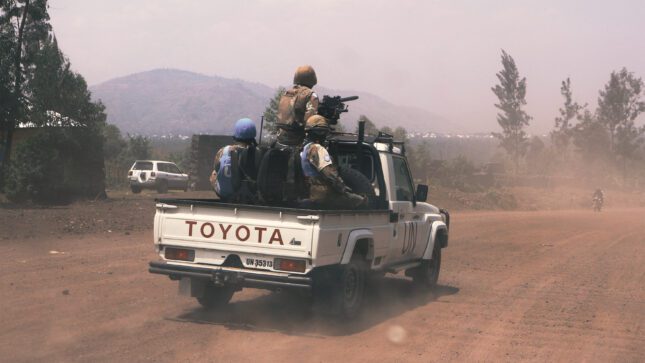
Resource-rich nations such as the Democratic Republic of Congo (DRC) and Rwanda—which produce minerals ranging from coltan, cobalt, gold, tungsten, and tantalum, to tin (3TG)—hold tremendous importance in the global supply chains. The DRC produces 70% of global cobalt production, while its neighbor, Rwanda, generates around 30% of Tantalum.
-
Key Takeaways from the Innovations in Climate Resilience Conference
›
Historically, efforts to mitigate climate change have taken precedence over building resilience to its impacts. But from Pakistan to the Amazon, communities on the front lines are already experiencing the devastating effects of a warming world.
In recent weeks, devastating floods have claimed the lives of over 450 people in East Africa, as heavy rains linked to El Niño and changing climate patterns overwhelmed communities and infrastructure. Similar tragedies unfolding in Brazil, Pakistan, and Afghanistan underscore the human cost of being unequipped to protect against the worst impacts of climate change.
-
ECSP Weekly Watch | May 6 – 10
›A window into what we are reading at the Wilson Center’s Environmental Change and Security Program
2024 World Migration Report Highlights Climate-Food-Mobility Nexus (International Organization for Migration)
The International Organization for Migration’s flagship World Migration Report 2024 highlights a wide variety of factors contributing to global migration, including conflict, economic or political insecurity, and climate change. Between 2020 and 2022 the number of asylum seekers increased more than 30% to 5.4 million people. The report centers climate change’s impact on food security as a core driver of migration. In 2022, 275 million people faced acute food insecurity, which represents a 146% increase since 2016.
-
ECSP Weekly Watch: April 29 – May 3
›A window into what we are reading at the Wilson Center’s Environmental Change and Security ProgramEnvironmental Prize Winners Highlight Local Communities’ Fight Against Fossil Fuels (New York Times)
On Monday, several environmental leaders won the Goldman Environmental Prize, which the Goldman Environmental Foundation awards annually to grassroots environmental activists from each of the world’s six geographic regions. This year’s prize comes as environmental advocacy groups, especially indigenous ones, increasingly fight legal battles against companies or government entities that wish to use their land for oil and gas acquisition or coal mining.
-
Can Kazakhstan Meet Its Climate Goals?
›“I’m only 33 years old. I have my entire life to live, and I would like to retire on a habitable planet.” | Zulfiya Suleimenova
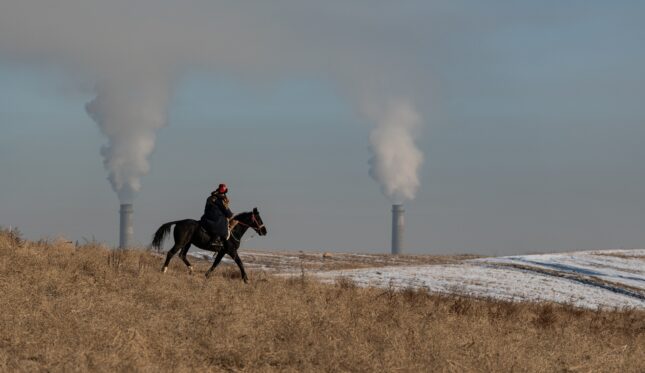
Signs of our warming planet reveal themselves through the smallest of changes. Zulfiya Suleimenova, Kazakhstan’s Special Representative for International Environmental Cooperation, noticed something odd when she left Kazakhstan’s capital, Astana, in late November for the 28th United Nations Climate Conference (COP28).
-
Plowing Under the EU Green Deal? Climate Policy and the European Parliament Elections
›This article originally appeared on the blog of Wilson Center’s Global Europe Program.
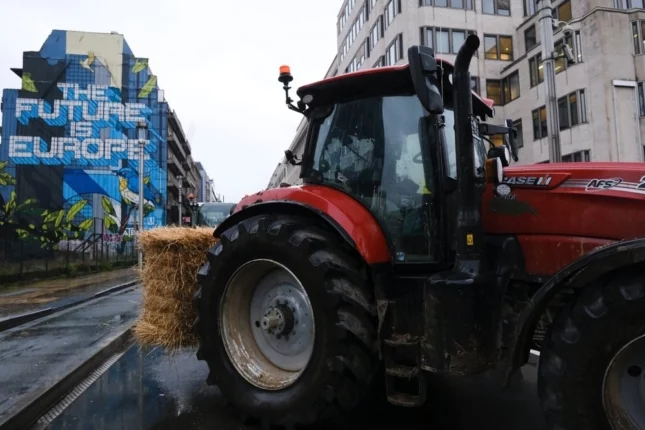
The recent farmers’ protests that erupted across several EU countries have put the EU climate debate in the limelight of the European Parliament election campaigns. From Spain to Poland, farmers have been expressing grievances over falling margins; rising costs for energy, fertilizers, and transport; increasing competition from Ukrainian imports; and complex bureaucratic procedures.
-
ECSP Weekly Watch: February 19 – 23
›A window into what we are reading at the Wilson Center’s Environmental Change and Security ProgramProgress—and Room for Improvement—in UNEP’s Annual Report (United Nations Environment Programme)
How effective is the United Nations Environment Programme (UNEP)’s work on the fight against climate change? Its Annual Report analyzed the work it has done over the past year to do so. The UNEP supports key areas in which progress has been made, including waste reduction through the Global Framework on Chemicals and global instrument on plastic pollution, biodiversity protection efforts through various frameworks, and loss and damage mobilization through COP28.
-
ECSP Weekly Watch: February 12 – 16
›A window into what we are reading at the Wilson Center’s Environmental Change and Security Program
Food, Climate, and Conflict Nexus a Priority at the UN Security Council (Food and Agriculture Organization)
The United Nations Security Council’s High-Level Open Debate takes place in Guyana this week, and the signature event of that nation’s presidency is “The Impact of Climate Change and Food Insecurity on the Maintenance of International Peace and Security.” Several briefers have emphasized the interconnectedness between climate change and conflict, including Secretary-General António Guterres and UNFCCC Chair Simon Stiell.
Showing posts from category democracy and governance.