-
Erika Bolstad, ClimateWire
Military Leaders Warn That Climate Poses Security Threats
›September 15, 2016 // By Wilson Center Staff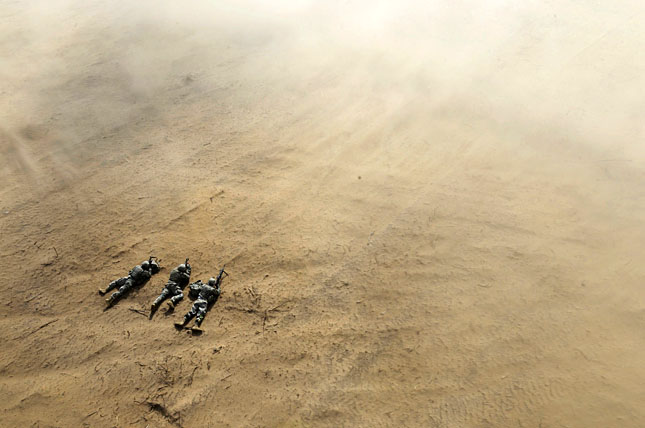
A bipartisan group of defense experts and former military leaders are calling on the next administration to consider climate change as a grave threat to national security.
-
Africa’s Regional Powers Are Key to Climate Negotiations – But Will They Cooperate?
›
Most African states are more vulnerable and less prepared to address climate change challenges than the rest of the world. This observation is supported by a wide variety of sources, including the Climate Vulnerability Index and the Notre Dame Global Adaptation Index. And in fact Africans and their political leaders frequently observe that this crisis, manufactured in the developed world, disproportionately affects their continent. During a meeting of the African Union in 2007, Ugandan President Yoweri Museveni called climate change “an act of aggression” by the rich against the poor.
-
Oil, Greed, and Grievances in the Middle East and North Africa
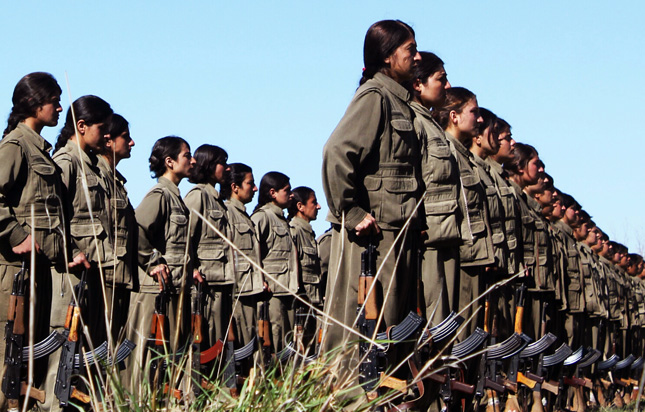
›Between 1961 and the U.S. invasion of Iraq in 2003, Iraqi Kurdistan’s quest for independence has led to the violent death of an estimated 180,000 people. At least 12 independent political groups represent the Kurdish minority in the north of the country. These groups have pursued wildly different strategies to reach their goals, some orchestrating terrorist attacks or larger-scale violence, others choosing education and propaganda campaigns, the provision of social services to gain popular support, and demonstrations.
-
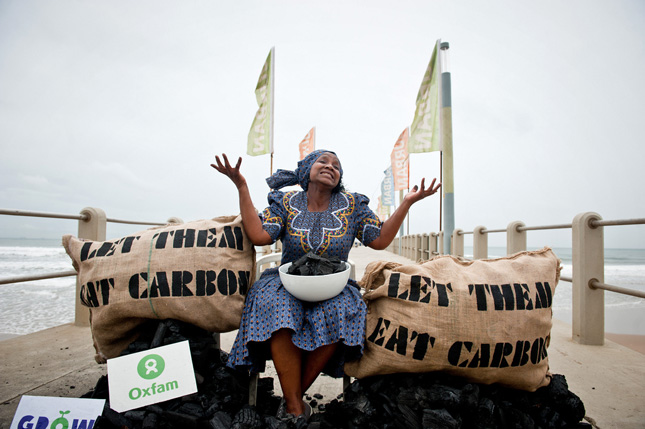
Four Cattle and a Farm: On Finding More Inclusive Solutions to Climate Change
›As early as 1911, coal miners in Britain carried caged canaries into mining pits. Any sign of distress from the small birds, which are incredibly sensitive to the presence of harmful gases such as carbon monoxide, meant immediate evacuation. Today’s canaries in the coal mine are low-income, minority communities whose exposure to environmental risks in the United States and elsewhere puts them at the frontlines of the global climate crisis.
-
Minister Louise Mushikiwabo: “Rwanda Has Had to Make Extremely Difficult Choices”
›Last month Rwanda Minister of Foreign Affairs and Cooperation Louise Mushikiwabo spoke at the Wilson Center on a wide-ranging set of issues, from the country’s development successes to the prominent role women have played in post-genocide society.
-
Behind the Headlines, Emerging Security Threats in the Middle East
›The Middle East, as much as ever, is the focus of international attention, but the obvious crises may be a distraction from deeper underlying issues.
-
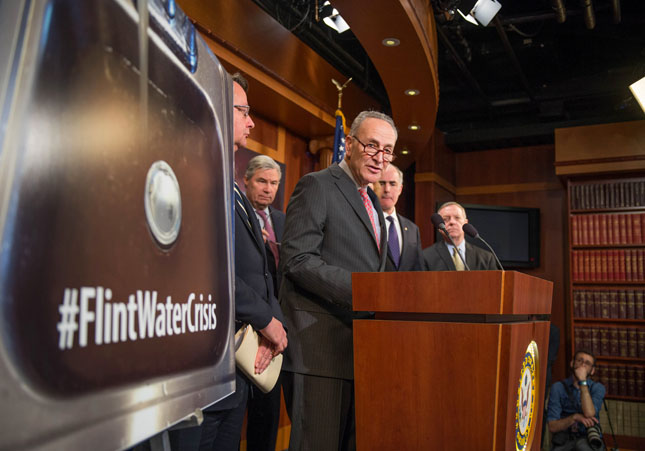
Flint Offers Lessons on How Citizen Collaboration Can Hold Governments Accountable
›A couple of weeks ago, the task force Michigan governor Rick Snyder appointed to investigate Flint’s now infamous water crisis issued its long-awaited report.
-
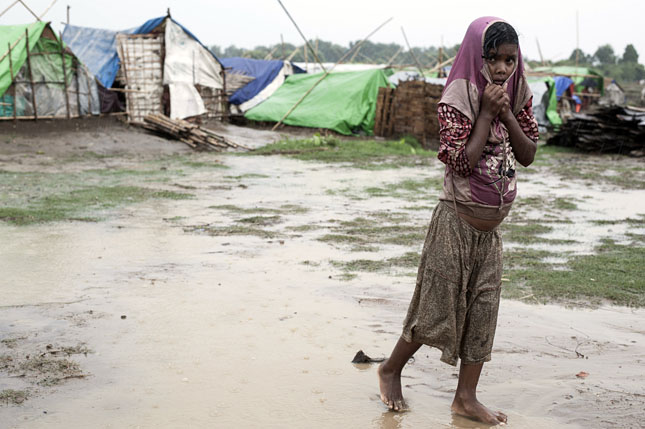
Myanmar’s Democratic Deficit: Demography and the Rohingya Dilemma
›According to political demographers, who study the relationship between population dynamics and politics, two characteristics when observed together provide a rather good indication that a state is about to shed its authoritarian regime, rise to a high level of democracy, and stay there. Myanmar has both.
Showing posts from category democracy and governance.