-
Planet at the Crossroads: Insights From IUCN’s World Conservation Congress
›
At this year’s International Union for Conservation of Nature (IUCN) World Conservation Congress, more than 10,000 scientists, activists, and leaders from around the world committed to finding “nature-based solutions” to reversing environmental declines and securing a healthy, livable planet.
-
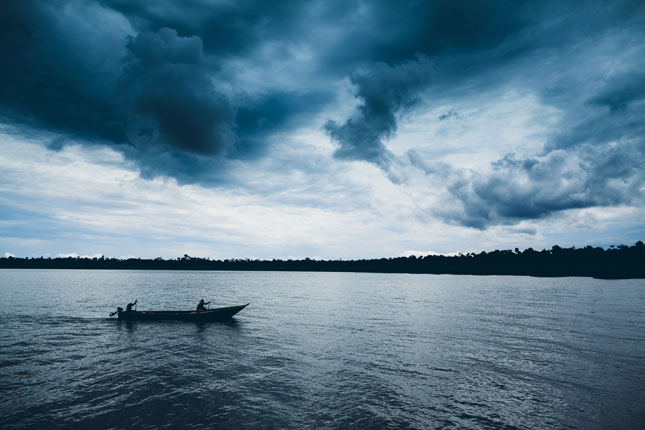
The Rising Tide of Water Insecurity: Moving from Risks to Responses
›
“Water is the frontline of climate change. It’s what every report that you see identifies as the sort of first and foremost effect we see from a climate changing world,” said Sherri Goodman, a public policy fellow at the Wilson Center and formerly of CNA and the U.S. Department of Defense, on October 19.
-
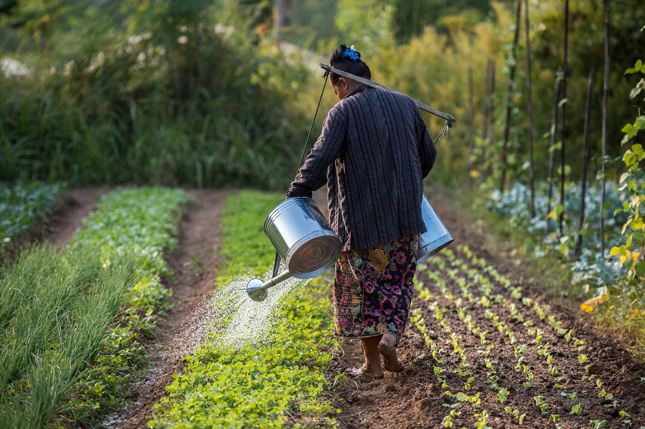
UN Agency Calls for Global Transformation of Agriculture in the Face of a Changing Climate
›November 15, 2016 // By Sreya PanugantiA recent report by the UN Food and Agriculture Organization (FAO) warns that over the next 15 years, climate change will add to the number of people living in poverty via its effects on the agriculture and food sectors. By 2030, climate-related effects on food-related livelihoods could lead to an additional 35 to 122 million impoverished people, according to the 2016 State of Food and Agriculture Report.
-
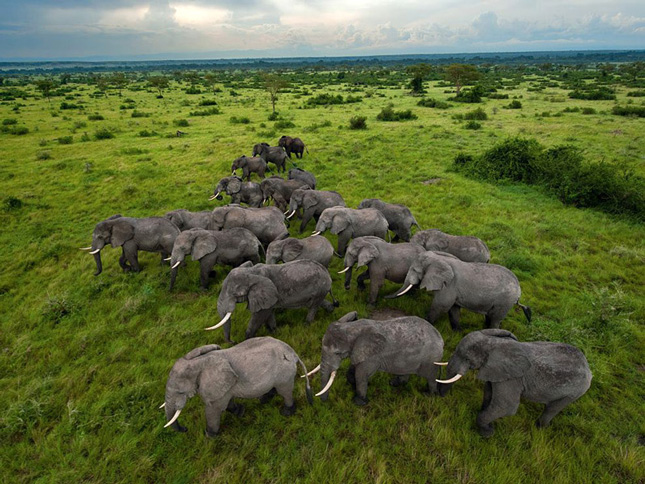
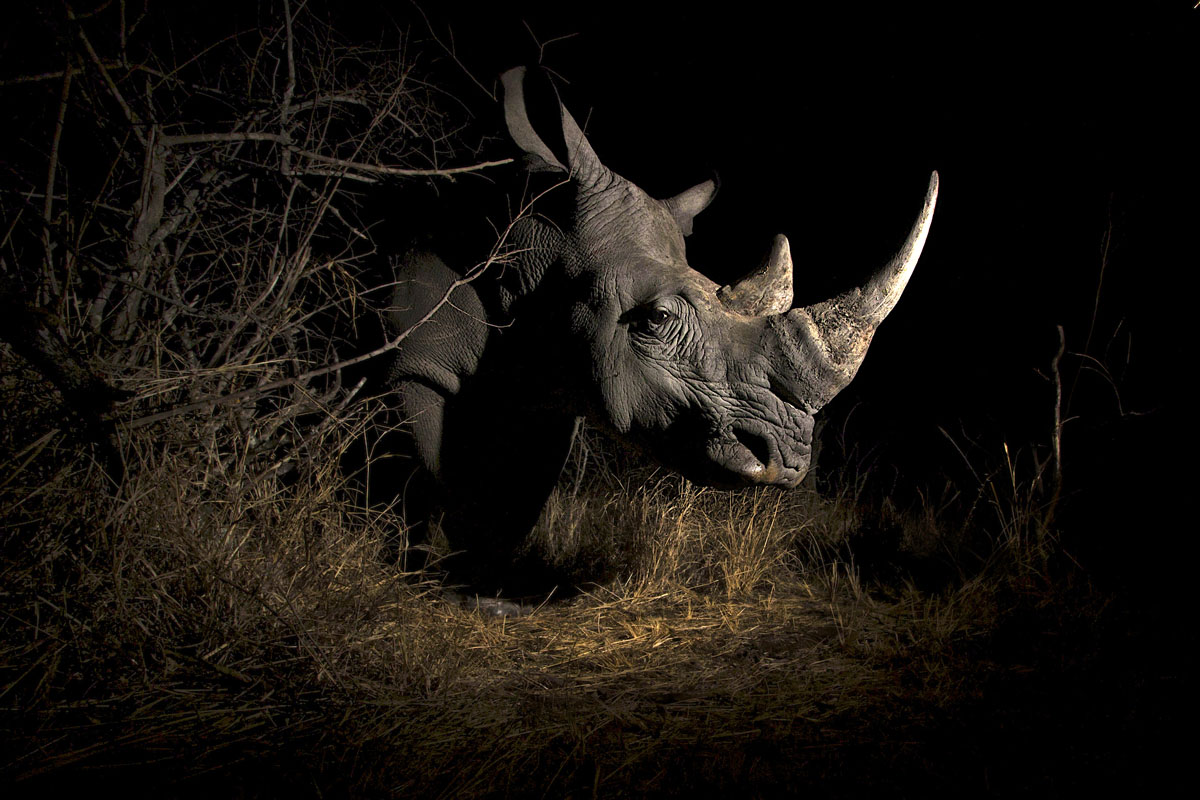
As Ivory Becomes Bigger Issue, Environmental Peacebuilding Gaining Ground at IUCN World Congress
›A traditional conservation approach to climate change (e.g., habitat restoration, species protection) has been a primary tenet of the International Union for Conservation of Nature (IUCN) agenda for decades. But this fall at the quadrennial World Conservation Congress in Hawai’i there were new discussions about tackling climate change in the context of national security and environmental peacebuilding.
-
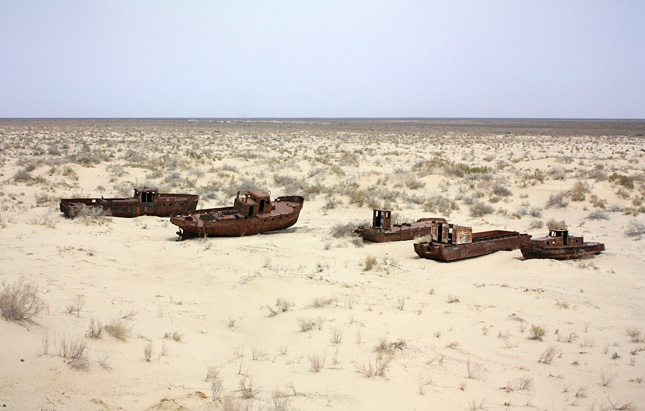
Silently, Quickly, and Completely: The World’s Lakes in Peril
›September 28, 2016 // By Cara ThuringerWhen Lake Poopó, Bolivia’s second-largest lake, dried up last December, an entire community lost their way of life and the scientific community cast their eyes to the map asking, where next? They didn’t have to look far. According to a report prepared by the World Lake Vision Committee, a collaboration between the International Lake Committee Foundation, the Shiga Prefectural Government of Japan, and the United Nations Environment Program, there are very few major lake systems that are not experiencing decreasing water quality, volume, biodiversity, or some combination of the three.
-
Wild Laws: China and Its Role in Wildlife Trafficking
›China Environment Forum // From the Wilson Center // September 12, 2016 // By Evie Kirschke-SchwartzPicture your typical farm: Pigs, cows, chickens, goats…and tigers? This may sound far-fetched, but many iconic wild animals – including tigers, bears, and rhinos – are now farmed en masse in China.
-
A New Kind of Conservation: Making the Connection Between Community and Nature
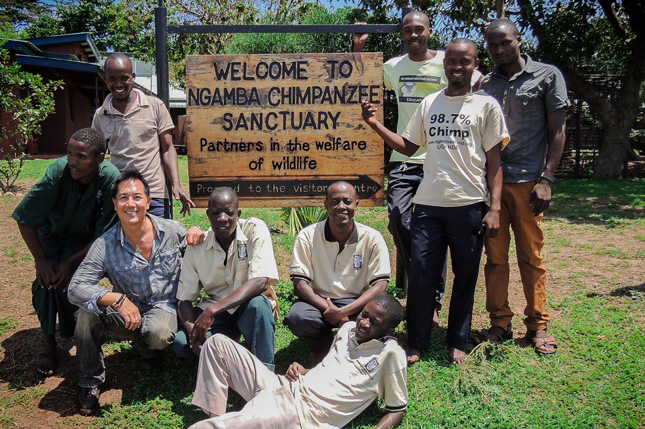
›An increasing number of conservation and health activists are beginning to understand the value of an integrated approach to development. Without addressing the needs of people, conservation measures will not be very effective, and conversely, without conservation, people lose vital natural resources and suffer consequences to their health.
-
“Time for Action”: A 2016 IUCN World Conservation Congress Preview With Inger Andersen
›“The time for talk is done; it is now the time for action,” says Inger Andersen, director general of the International Union for Conservation of Nature (IUCN), in an interview before the 2016 World Conservation Congress.
Showing posts from category conservation.