-
Backdraft Episode #3: Kimberly Marion Suiseeya on Voice, Justice, and Representation
› “If we think sustainable development is the goal we want to achieve, we have to be radical in elevating those who have been traditionally excluded,” says Northwestern University’s Kimberly Marion Suiseeya in this week’s “Backdraft” episode. “We have to approach conservation and global environmental governance from the perspective of the invisible and the marginalized people.”
 -
Elizabeth Devitt, Mongabay
Getting a Grip on an Unlikely Threat to Biodiversity: The Pet Trade
›February 16, 2017 // By Wilson Center Staff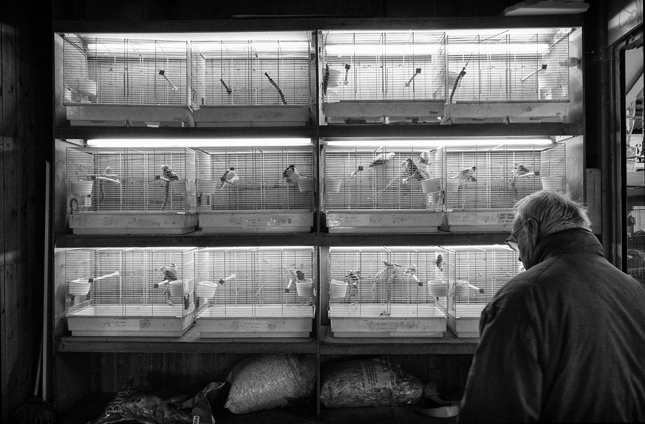
The legal commercial exotic animal trade is a booming enterprise that ships ornamental fish, mammals, birds, reptiles and amphibians around the world. These pets, livestock and other animals can carry unexpected infectious diseases from their homelands. If these non-native species escape or are released to the wild, they can create epidemics among susceptible endemic wildlife.
-
Come Hell or Holy Water: India’s Fight to Save the Ganges
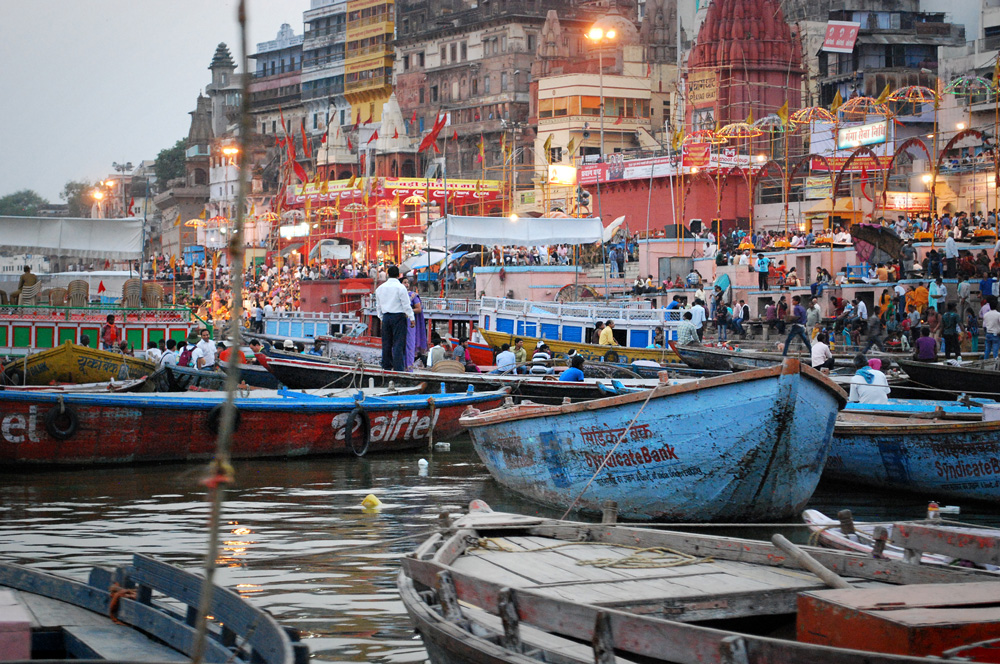
›February 13, 2017 // By Sreya PanugantiRevered for far more than its contribution to Indian civilization, the Ganges represents the goddess of salvation, Ganga. As a symbol of purity in Hindu mythology, the holy river is thought to cleanse believers both spiritually and physically with its waters.
-
The Invisible World Ocean Regime, and USAID’s 2015 Water Activities in Review
›According to their recent Safeguarding the World’s Water report, the U.S. Agency for International Development (USAID) invested $499,995,179 in water-related programming in 54 countries in 2015. -
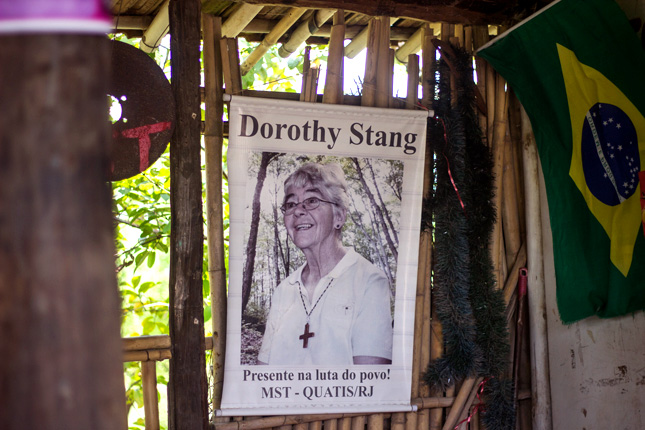
Environmental Defenders Under Attack: Second Goldman Prize Winner Killed in Less Than a Year
›Despite recent press coverage about the violence against international environmental defenders, another prominent figure has been murdered in cold blood.
-
As Asian Luxury Market Grows, a Surge in Tiger Killings in India
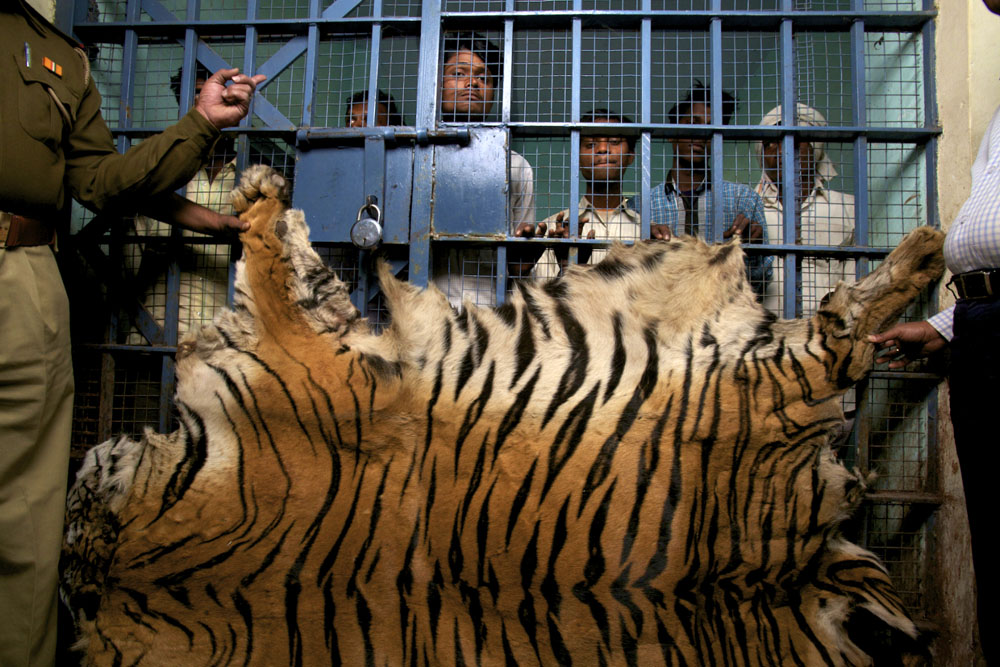
›From 1990 to 2013, the notorious tiger poacher Kuttu Bahelia and his extended family – brothers, uncles, and their wives and children – reportedly killed hundreds of tigers and leopards in the tiger-rich Indian states of Maharashtra and Karnataka, according to law enforcement informants and media reports. “Even if half that [estimate] is correct, it is still a very significant number,” says Belinda Wright, who directs the non-profit Wildlife Protection Society of India (WPSI).
-
With Network of River Watchers, Green Hunan Opens Second Front in China’s War on Pollution
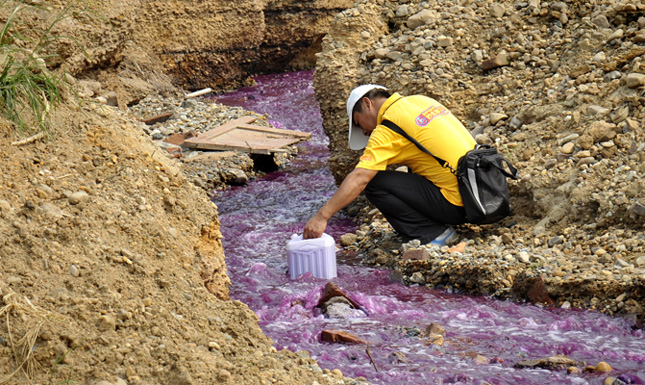
›“Made in China” products surround us, yet few consumers have anything more than a foggy idea of where in China their phones, computers, and other goods come from. Hunan Province in South Central China is not only the home of spicy food, but the world’s largest mines for non-ferrous metals used in many electronic devices. Nearly all the glass panels for Apple and Samsung smartphones are manufactured in Hunan as well. While this multibillion-dollar phone industry has been a boon for Hunan’s economy, it has also produced seriously polluted rivers and soil.
-
Environmental Defenders Are Being Murdered at an Unprecedented Rate, Says UN Special Rapporteur
›The Earth’s front-line defenders are disappearing at an astonishing rate. On average three environmental activists were killed each week in 2015, according to a recent report from the United Nations special rapporteur on the situation of human rights defenders. Global Witness, an international NGO that documents natural resource extraction, corruption, and violence, reports a 59 percent increase in deaths last year compared to 2014. In total, 185 killings of environmental defenders were recorded by Global Witness in 2015.
Showing posts from category conservation.
 “If we think sustainable development is the goal we want to achieve, we have to be radical in elevating those who have been traditionally excluded,” says Northwestern University’s Kimberly Marion Suiseeya in this week’s “Backdraft” episode. “We have to approach conservation and global environmental governance from the perspective of the invisible and the marginalized people.”