-
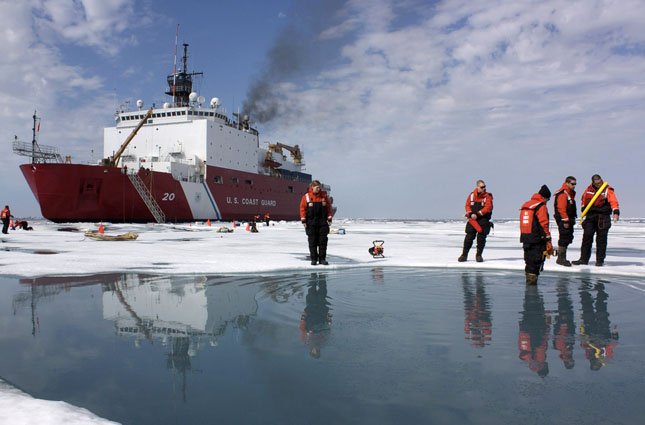
“Climate Change Makes the World More Violent”: How One IPCC Author Would Rewrite His Chapter
›With thousands of scientists representing 195 countries working for more than a quarter of a century, the Intergovernmental Panel on Climate Change (IPCC) is the world’s leading authority on of assessing climate change and its potential socio-economic impacts. However, Marc Levy, an IPCC lead author and deputy director of Columbia University’s Center for International Earth Science Information Network, says he’d have gone further in connecting climate change to conflict in their latest report if it were up to him.
-
Codi Yeager-Kozacek, Circle of Blue
Middle East Conflicts Jeopardize Water for Millions
›June 15, 2015 // By Wilson Center StaffMillions of people across the Middle East face drought, scarce drinking water supplies, and poor sanitation due to civil wars and conflict. Meanwhile, resource constraints and foreign military interventions risk more severe humanitarian disasters.
-
Alice Thomas: Climate Change Effects and Responses Profoundly Undermine Human Rights
›
After Typhoon Haiyan ripped across the Philippines in 2014 leveling nearly every building in sight, 4 million people – mostly poor and from coastal regions – were displaced. In response, the government set up “no build” zones in vulnerable areas and worked to move people to new land. But many of the newly relocated people discovered this land came with no access to water, electricity, or other services.
-
Is Wildlife Trafficking a National Security Threat?
›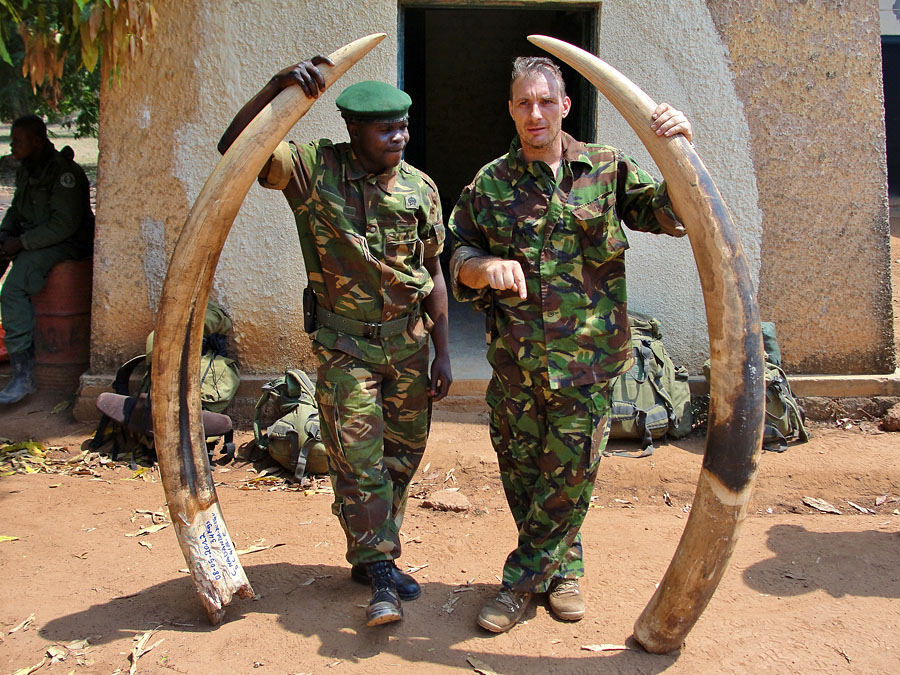
Trafficking of illegal wildlife goods is quickly becoming one of the most lucrative illicit businesses in the world. With growing demand in Asia, an industry that was once fed by isolated, small-scale poaching incidents is now run by well-organized, transnational criminal networks, similar to narcotics and guns. The Obama administration labeled wildlife trafficking as a national priority in 2013 and released a National Strategy for Combatting Wildlife Trafficking in 2014. A detailed implementation plan for the strategy followed this year, identifying key steps and implementing agencies to help end trafficking in the United States and abroad.
-
The Sahel Beyond the Headlines: Underlying Demographic, Environmental Trends Erode Resilience
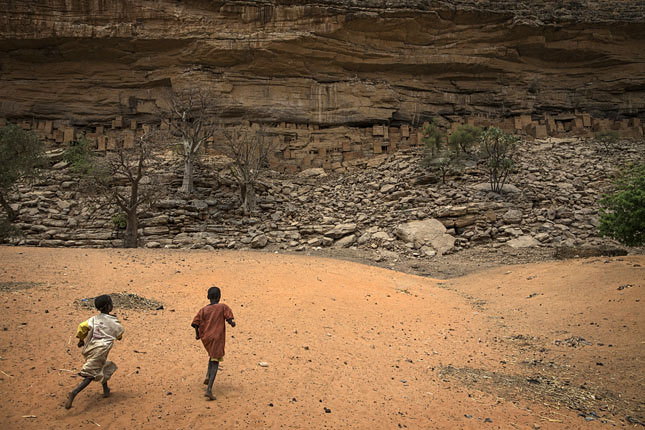
›Between the Sahara to the north and savanna to the south lies the semi-arid Sahel, a region stretching from Senegal to Sudan that has experienced desperate poverty, climate change, malnutrition, and violence. While every context is different, the Sahelian countries share some common challenges, including a pattern of recurring crises and fluid borders. Boko Haram’s reign of terror in northern Nigeria and Mali’s coup have both had cross-border components. [Video Below]
-
Jack Goldstone: Preventing Violence in the Sahel Starts With More Inclusive Governance
›“The Sahel faces huge problems,” says Jack Goldstone, Virginia E. and John T. Hazel professor of public policy at George Mason University and Wilson Center global fellow, in this week’s podcast. “It is facing massive population growth. It is facing environmental decay. It has a history of violent conflict.”
-
Parfait Eloundou-Enyegue: Generational Inequality in the Sahel a Security Risk
›Rapid population growth, which many Sahelian countries are experiencing, is often associated with an increased risk of sociopolitical violence. But in this week’s podcast, Cornell University Professor Parfait Eloundou-Enyegue argues there is another factor related to demographic change that governments and development organizations should account for: inequality.
-
Obama Highlights Long-Term Climate Security Threats, Releases Review of Federal Resources
›May 20, 2015 // By Schuyler NullIn a commencement speech at the U.S. Coast Guard Academy today, President Obama said “climate change constitutes a serious threat to global security, an immediate risk to our national security, and, make no mistake, it will impact how our military defends our country.”
Showing posts from category conflict.