-
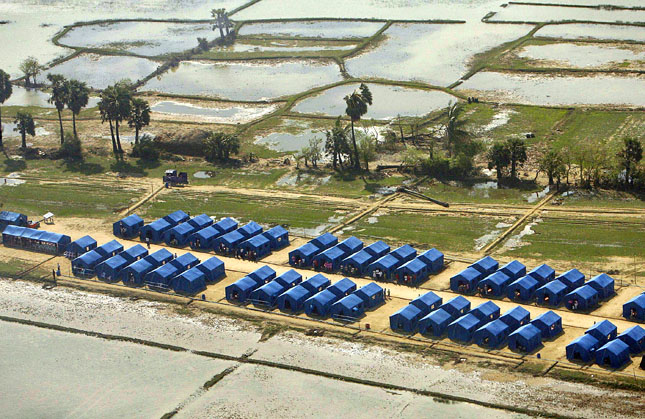
After Conflict, Peacebuilding and Recovery Efforts Too Often Miss the Environment
›
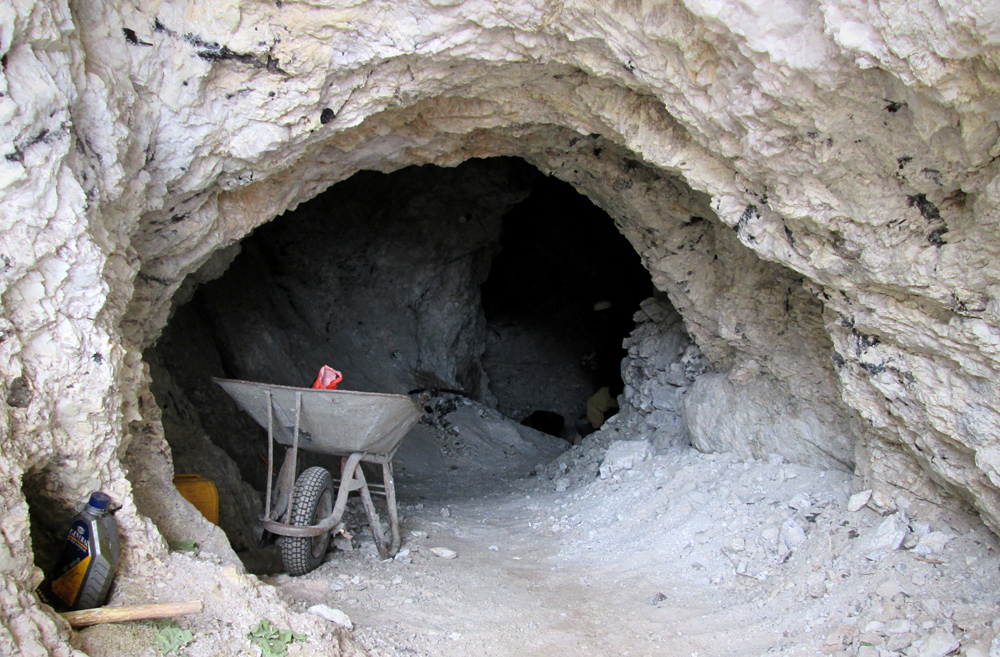
In June 2010, The New York Times published a front page story trumpeting a Pentagon announcement of roughly $1 trillion worth of mineral resources in Afghanistan. Officials said the discovery was “far beyond any previously known reserves and enough to fundamentally alter the Afghan economy and perhaps the Afghan war itself.” Then-President Hamid Karzai soon inflated the figure to $3 trillion and then again to $30 trillion, enough to transform the country into the “Saudi Arabia of lithium.”
-
When Is Conflict Positive? And How Climate Change Might Exacerbate Ethnic Violence
› Conflict is typically viewed as a failure of social and political systems and almost never as a method of transforming dysfunctional or fractured societies into cohesive units. However, in an analysis of the discourse around climate change and conflict in Local Environment, Melissa Nursey-Bray concludes that conflict is a sometimes-necessary step in a complicated process to create stable societies. Nursey-Bray separates the climate-conflict discourse into two baskets: climate change as a security risk and climate change as one of many factors that contribute to insecurity.
 -
How Lapis Lazuli Turned One Afghan Mining District to the Taliban
›August 25, 2016 // By Adrienne BoberIn the mountains of northern Afghanistan, between Pakistan and China, a region that has historically rejected the Taliban has become the group’s second-largest source of revenue. The twisting tale of Kuran wa Munjan reveals the challenges of extracting precious minerals in unstable and fragile states.
-
Shreya Mitra, Resilience Compass
Lessons on Building Peace in Fragile Contexts From South Sudan
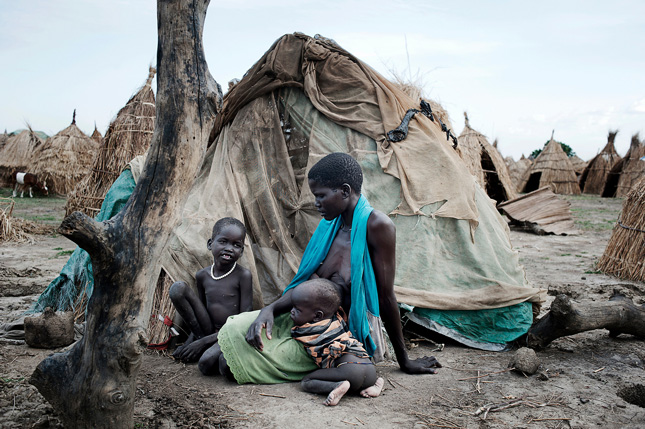
›August 11, 2016 // By Wilson Center StaffEarlier this month, armed clashes between competing factions of South Sudan’s government broke out in the capital Juba, a day after the nation’s fifth anniversary of its independence. The conflict dates back to political events and factional fighting that first emerged in 2013.
-
Rowand Jacobsen, Ensia
Can New Water Tech Help Reduce Conflict in Middle East?
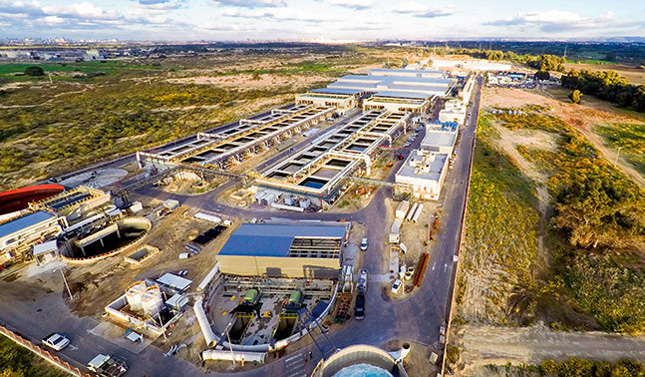
›August 9, 2016 // By Wilson Center StaffTen miles south of Tel Aviv, I stand on a catwalk over two concrete reservoirs the size of football fields and watch water pour into them from a massive pipe emerging from the sand. The pipe is so large I could walk through it standing upright, were it not full of Mediterranean seawater pumped from an intake a mile offshore.
-
Governance in Focus: Insights from the International Expert Forum on Climate Change and Conflict
›The International Expert Forum (IEF) is a series of seminars meant to facilitate dialogue between experts and policymakers on peace and security. Meeting in Stockholm this past May, the forum explored the connections between environmental issues, peacebuilding, and conflict while considering how environmental governance can aid in peacebuilding. The summary brief produced after the forum provides a useful snapshot of a fast-changing field of study.
-
At the Eye of the Storm: Women and Climate Change
›Struggling to save their failing crops. Walking farther afield to fetch clean water. Protecting their families from devastating storms and violent conflicts. “Women are usually the support systems for our family…we are the last to leave in the event of a catastrophe, which is why women and families are disproportionately hurt by climate catastrophes,” said Wilson Center President, Director, and CEO Jane Harman on June 23 during a conference on women and climate change. [Video Below]
-
How Infrastructure Helps Determine the Risk of Violence Following Drought
›One fear of climate change is that more variable weather conditions will lead to violence and chaos in some places. But looking at it methodically, do erratic weather conditions actually lead to violent conflict and political instability? Not necessarily.
Showing posts from category conflict.