-
UN Special Rapporteur Calls for Action on Toxic Remnants of War to Protect Children
›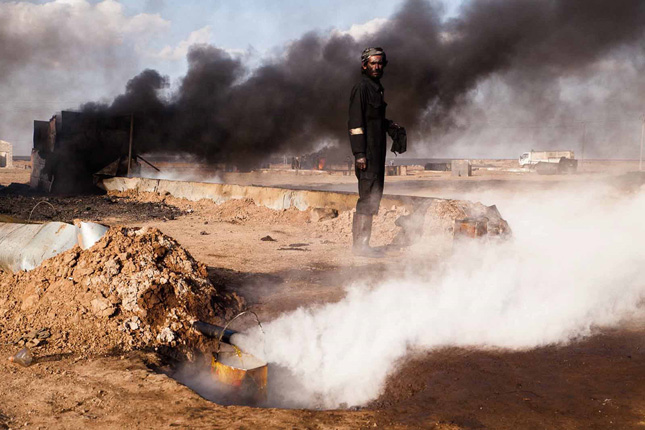
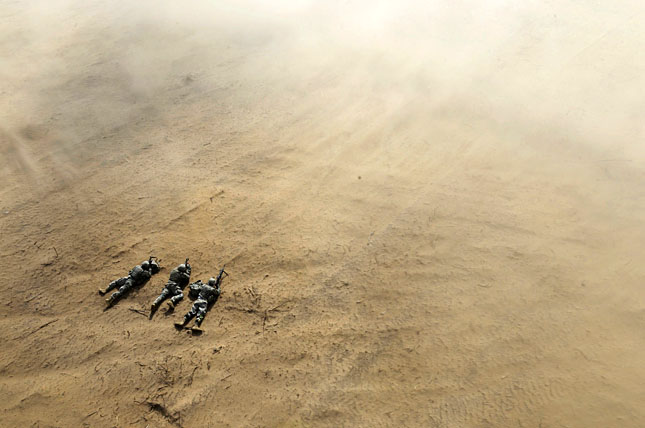
This month, Baskut Tuncak, the United Nations special rapporteur on human rights and toxics, presented the findings of his report on the effects of hazardous substances on the lives of children around the world to the 33rd session of the Human Rights Council. His conclusions were bold and brave for their implications on conflict: States should take responsibility for cleaning up the toxic remnants of war and providing medical aid to affected communities and individuals.
-
White House Announces Steps to Address Climate and National Security Alongside New Intelligence Assessment
›
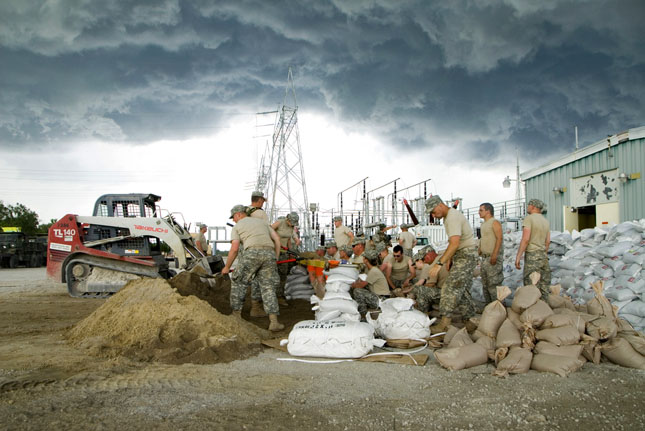
Yesterday afternoon President Obama announced a new Presidential Memorandum on climate change and national security. The policy directs 20 federal agencies to consider the national security implications of climate change and establish a working group that will develop a Climate Change and National Security Action Plan for the federal government.
-
Major Water Disputes Are Often Beyond War and Peace
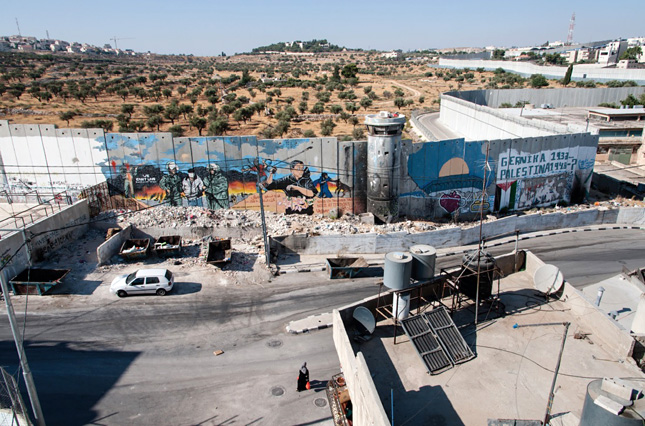
›Early this June, the Israeli government cut off drinking water to people living in the Salfit region of the West Bank and three villages east of Nablus. The consequences have been dire. Thousands of Palestinians have been left with no running water in their homes, and factories have been forced to shutter. The power imbalance that leaves Palestinians so vulnerable to Israeli turns of the valve plays out every year, made possible by Israel’s occupation of the water-rich Golan Heights in 1967. What is perhaps most surprising is that the situation persists.
-
UN, U.S. Summits Offer Modest Immediate Relief to Refugees, But Systemic Reforms Needed
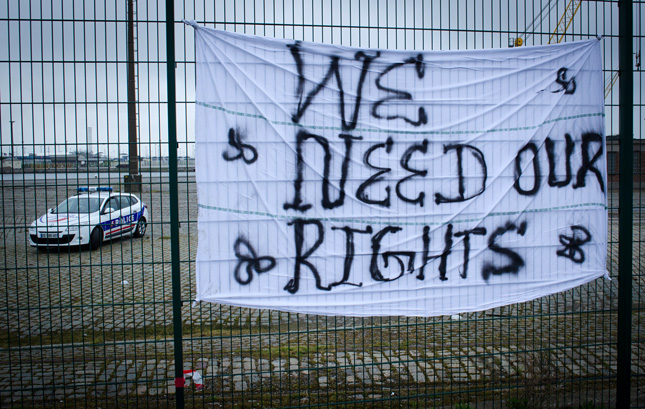
›Heads of state gathered in New York for the September 19 United Nations Summit on Refugees and Migrants will reaffirm principles of international law, pledge to treat asylum seekers more humanely, and promise to improve coordination between humanitarian and development organizations.
-
Erika Bolstad, ClimateWire
Military Leaders Warn That Climate Poses Security Threats
›September 15, 2016 // By Wilson Center StaffA bipartisan group of defense experts and former military leaders are calling on the next administration to consider climate change as a grave threat to national security.
-
Wild Laws: China and Its Role in Wildlife Trafficking
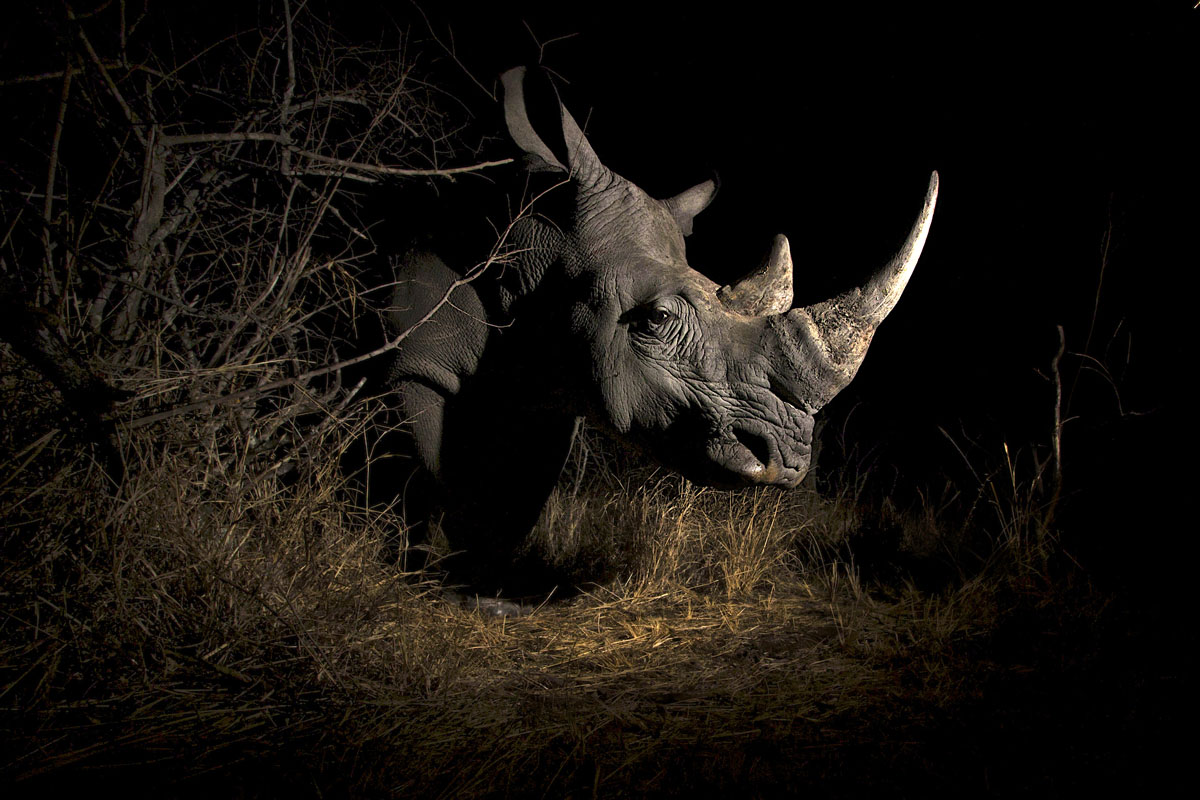
›China Environment Forum // From the Wilson Center // September 12, 2016 // By Evie Kirschke-SchwartzPicture your typical farm: Pigs, cows, chickens, goats…and tigers? This may sound far-fetched, but many iconic wild animals – including tigers, bears, and rhinos – are now farmed en masse in China.
-
In Kosovo, Post-War Water Faults Show Challenge of Balancing Political With Technical
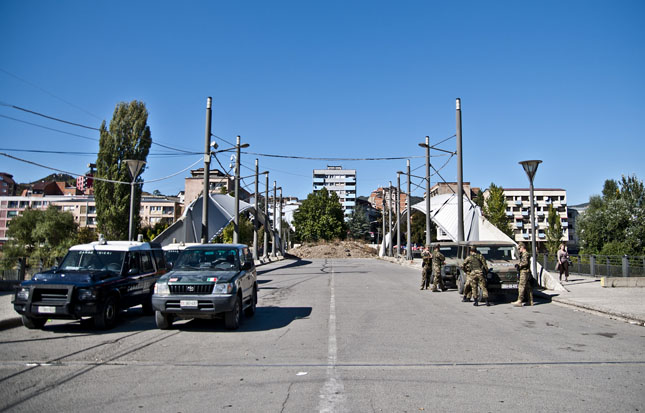
›Rivers have shaped the Western Balkan Peninsula’s characteristic landscape and played an important role in its history. Following the violence of the Yugoslav secession wars in the 1990s and the creation of six new nations, the number of transboundary river basins doubled from 6 to 13. In Kosovo, where independence remains a question, the water sector is a microcosm of tensions between ethnic Serbs and Albanians. The challenge of water resource management exists not only over the province’s contested national boundaries with Serbia, but between divided ethnic groups within the territory.
-
Harnessing African Women’s Roles in Artisanal Mining to Build Peace
›Women make up between 40 to 50 percent of the artisanal mining workforce in Africa compared to a world average of 30 percent, says Southern Voices Network Scholar Maame Esi Eshun in an interview with Wilson Center NOW. But despite the number of women in the sector, they are often relegated to the periphery when it comes to decision-making and leadership, undermining peacebuilding efforts in these areas.
Showing posts from category conflict.