

-
Water Weaponization in Yemen: A Conversation with Niku Jafarnia
›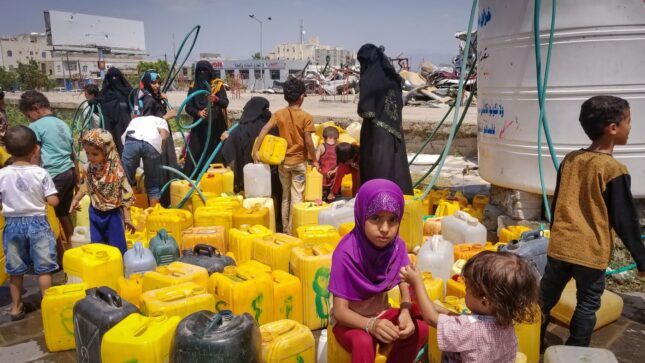
Yemen’s civil war, which began in 2014, has resulted in one of the world’s worst humanitarian crises. The United Nations estimates that 60% of the 377,000 deaths between 2015 and 2022 were attributed to food insecurity and limited access to health services, and two-thirds of the population (21.6 million people) are in desperate need of humanitarian aid. Though a nominal ceasefire has held since 2022, tensions persist, and civilians continue to face the brunt of the conflict.
-
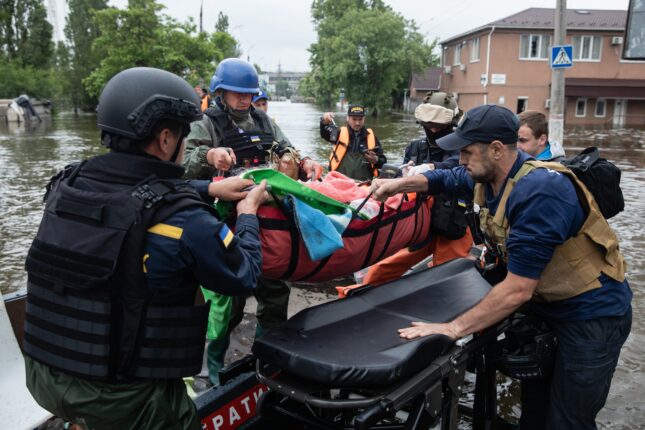
Water Weaponization in Russia and Ukraine: A Conversation with Marcus King
›March 22, 2024 // By Wilson Center Staff
Russia’s devastating invasion of Ukraine just over two years ago upset the larger foreign policy conversations surrounding global stability—and Russia’s role in it. Yet the conflict has brought the concept of water weaponization into the spotlight as well, especially after Russia’s destruction of the Nova Kakhovka Dam and other civilian infrastructure wreaked havoc in the region.
-
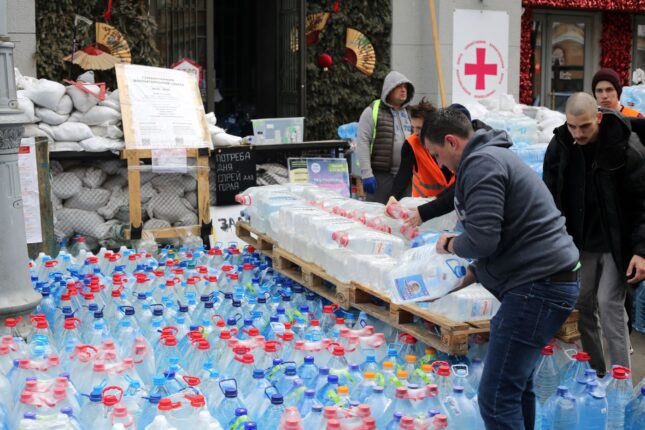
The Global Challenge of Water’s Weaponization in War: Lessons from Yemen, Ukraine, and Libya
›The world’s water is in trouble. Freshwater pollution, coupled with climate change, population growth, and increasing demand, threatens water quality and availability. Over the last 40 years, global water usage has increased every year by around 1% to support agriculture, industrial growth, and growing populations. The strain is clear already, as 26% of the world’s population lacks access to safe drinking water, and a whopping 46% lack access to basic sanitation.
-
Thought-leaders and Frontline Workers in Environmental Peacebuilding | An Oral History: Dr. Ken Conca and Dr. Geoff Dabelko
›Environmental Peacebuilding Oral History // New Security Broadcast // March 19, 2024 // By Wilson Center Staff
On today’s episode of New Security Broadcast, ECSP and the Environmental Peacebuilding Association launch a series of oral history interviews with academics, practitioners, and frontline workers to trace the history of the field of environmental peacebuilding. From the people who helped shape the field to those who are bringing new approaches and perspectives today, our guests give us a behind-the-scenes look at how the field first emerged and how it has evolved.
-
Heat, Oil, and Dust: The State of Iran’s Lakes and Its Climate Future
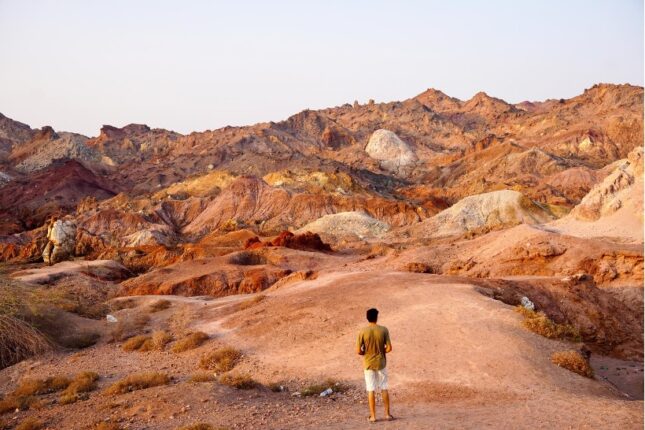
›Iran’s southeastern province of Khuzestan—which borders Iraq—was already a dry and dangerous place. It was the site of the fiercest battles in the Iraq-Iran war which followed the Iranian Revolution in 1979, and to this day, the region still has many unexploded landmines.
Yet this legacy of violence is not the only issue facing its residents. As climate impacts mount in Khuzestan, the future looks bleak for both the region’s ecosystems and the people already living on this borderline.
-
The Arc | Climate, Conflict, and Women’s Resilience: A Recent Women for Women International Report
›
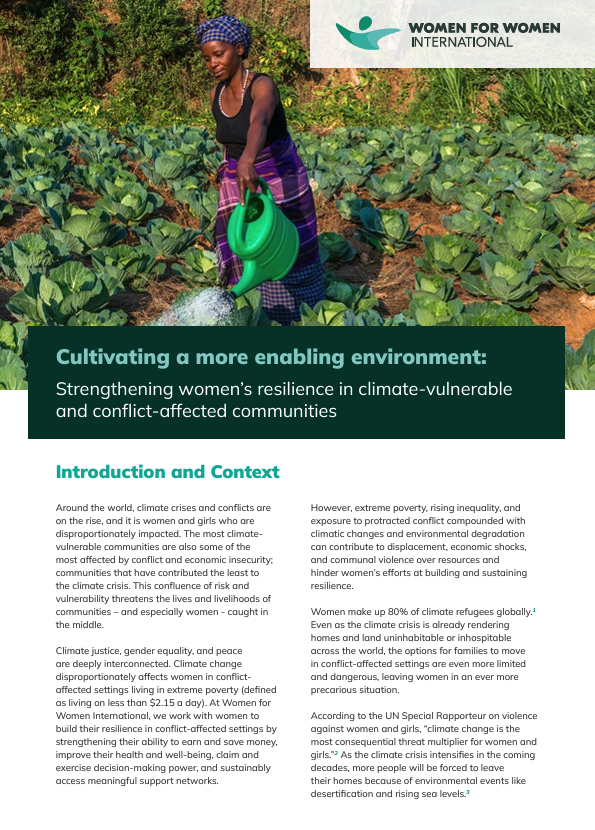
In today’s episode of The Arc, ECSP’s Angus Soderberg and Claire Doyle interview Nisha Singh and Kavin Mirteekhan from Women for Women International. We dive into the organization’s recent report, “Cultivating a more enabling environment: Strengthening women’s resilience in climate-vulnerable and conflict-affected communities,” to hear how women around the world are disproportionately impacted by conflict and climate shocks—and what we can learn from their solutions.
-
Clearing War Debris Can Help Ukraine Move Forward
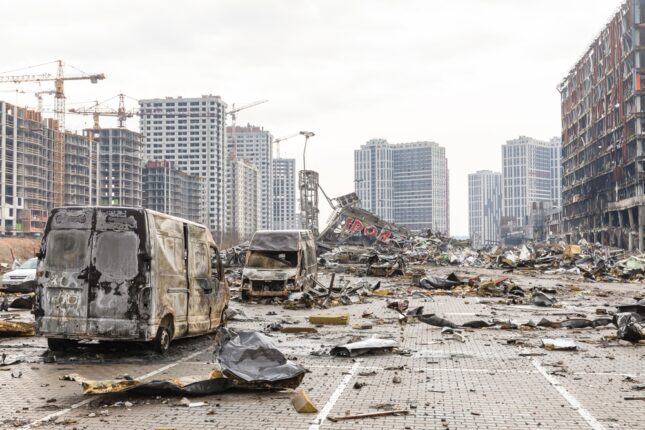
›When Russia launched its brutal invasion of Ukraine on February 22, 2024, Western nations supported Ukraine with military and financial aid. But over two years, the cost of the war has been devastating—not only in terms of lives lost, and injuries sustained, but also in the number of buildings destroyed. According to some estimates, more than 150K structures have been damaged in the conflict.
-
Relief, Recovery, and Peace: A Follow-up Interview with DAS Iris Ferguson
›In today’s episode of New Security Broadcast, ECSP Program Director Lauren Risi follows up with Iris Ferguson, the US Department of Defense’s (DoD) Deputy Assistant Secretary of Defense for Arctic and Global Resilience, on their previous conversation previewing the DoD delegation to COP28.Deputy Assistant Secretary Ferguson discusses her takeaways from COP28 and the importance of listening to stakeholders outside the Pentagon. She also outlines some of DoD’s key energy and climate security priorities in 2024.
Showing posts from category conflict.
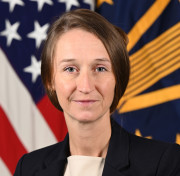 In today’s episode of New Security Broadcast, ECSP Program Director Lauren Risi follows up with Iris Ferguson, the US Department of Defense’s (DoD) Deputy Assistant Secretary of Defense for Arctic and Global Resilience, on their previous conversation previewing the DoD delegation to COP28.

