-
ECSP Weekly Watch: February 12 – 16
›
A window into what we are reading at the Wilson Center’s Environmental Change and Security Program
Food, Climate, and Conflict Nexus a Priority at the UN Security Council (Food and Agriculture Organization)
The United Nations Security Council’s High-Level Open Debate takes place in Guyana this week, and the signature event of that nation’s presidency is “The Impact of Climate Change and Food Insecurity on the Maintenance of International Peace and Security.” Several briefers have emphasized the interconnectedness between climate change and conflict, including Secretary-General António Guterres and UNFCCC Chair Simon Stiell.
-
The Complicated Relationship Between Climate, Conflict, and Gender in Mozambique
›Guest Contributor // February 12, 2024 // By Gracsious Maviza, Mandlenkosi Maphosa, Giulia Caroli, Thea Synnestvedt & Joram Tarusarira Individuals face immense challenges in displacement contexts, particularly where climate, conflict, and displacement intersect. In Mozambique, climate impacts have combined with conflict to displace nearly a million people. Entire livelihoods, identities, and stability are vanishing. Women, men, girls, and boys are not just losing homes; they are losing their place in traditional societal roles, too. This chaos—and responses by the international community—are reshaping Mozambique’s gender dynamics.
 -
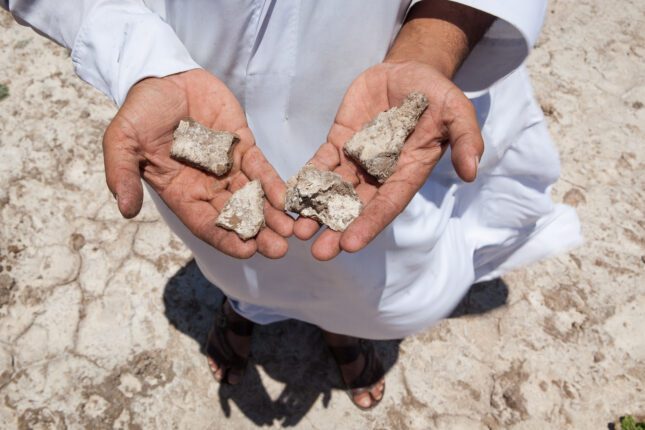
Weakened Infrastructure and Climate Change: The Threat to Water Security in Nineveh
›Iraq is incredibly vulnerable to the impacts of climate change. Temperatures are increasing, rainfall is decreasing, and the country experiences prolonged periods of drought. These conditions, as well as the destruction of wells and irrigation systems in the Islamic State’s (IS) targeted 2014-2017 campaign to destroy agricultural livelihoods, have created a growing water problem in Iraq’s Nineveh Plains. Indeed, water levels there have dropped low enough to subject crops to drought stress, endangering drinking water systems and affecting the ability to grow crops and raise livestock.
-
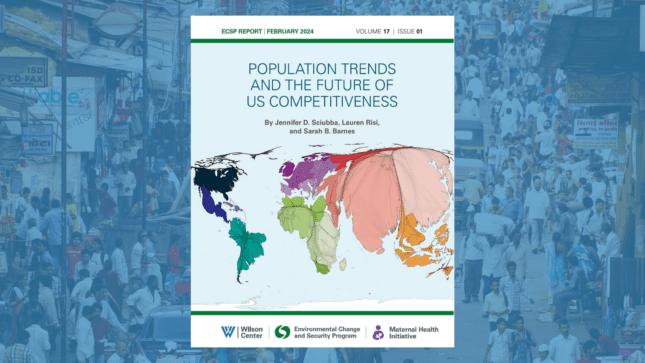
REPORT LAUNCH | Population Trends and the Future of US Competitiveness
›From the Wilson Center // February 5, 2024 // By Jennifer Dabbs Sciubba, Lauren Herzer Risi & Sarah B. BarnesThis article is adapted from “Population Trends and the Future of US Competitiveness”
Demographic issues intersect with a number of policy priorities on the congressional agenda, including the economy, immigration, health care and foreign policy, but how population trends influence policy outcomes is often overlooked or misunderstood. In a new report, we explore how population dynamics have changed dramatically over the last few decades, and what these changes mean for the economic and security interests of the United States.
-
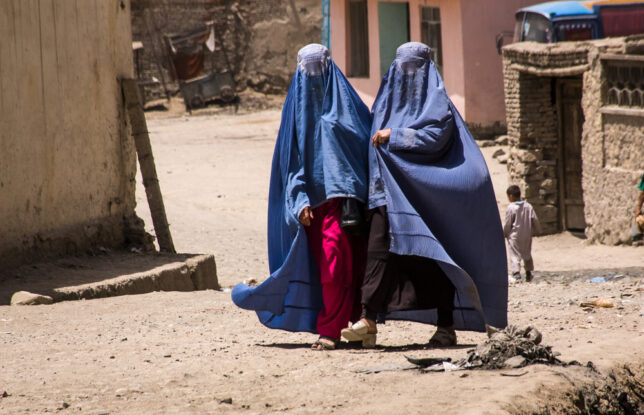
Under the Veil of Oppression: The Agonizing Plight of Afghanistan’s Hazara Women
›The recent arrests of women in Dasht-e-Barchi of Kabul, Daikundi province, and Jaghori district of Ghazni in Afghanistan by the Taliban for inadequate adherence to Islamic dress codes highlights a critical and distressing situation. These events are not an isolated occurrence. Rather, they are a reflection of the intensifying oppression and systemic threats faced by women in the country, particularly those from ethnic and religious communities such as the Hazaras.
-
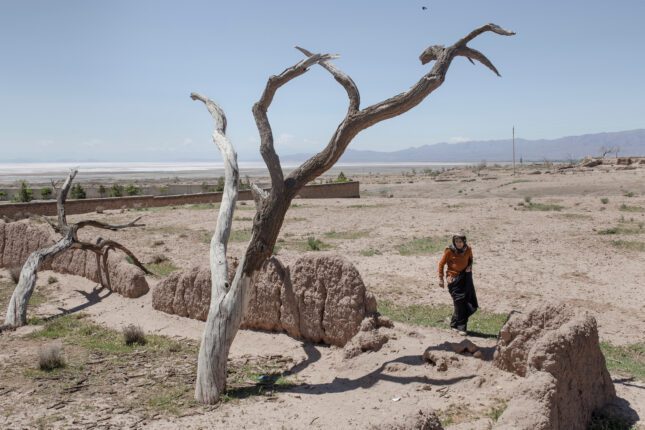
Water, Corruption, and Security in Iran
›This past summer was the hottest on record, bringing devastating impacts to many global communities. Iran was one of many nations that faced both debilitating heat and the subsequent water stress.
While Iran’s problems received significant media attention this year, water scarcity in the country is not a new problem. For decades, corruption and poor planning have plagued Iranian water policy, with impacts falling upon its increasingly disadvantaged provinces and, ultimately, on its ethnic minorities. Poor water policy also has contributed to an increasing number of cross-border disputes.
-
Environment and Security | Q&A with Editor in Chief, Ashok Swain
›From Afghanistan, Nepal, and Libya to the Arctic, the new issue of Environment and Security takes a fresh look at emerging issues at the intersection of environment and security. Ashok Swain, Editor in Chief of Environment and Security, spotlights some of the new research and insights in this Q&A with ECSP staff.
Q: The new issue of Environment and Security features an article on Arctic governance, including a close examination of the International Code for Ships Operating in Polar Waters (Polar Code). How do the authors assess this regulatory instrument as it enters its 10th year since adoption?
-
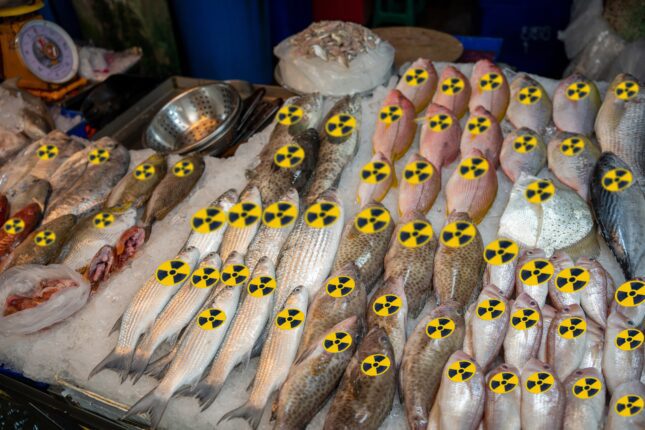
“Radioactive Fish” and Geopolitics: Economic Coercion and China-Japan Relations
›On the same day Japan began wastewater releases from the Fukushima nuclear power plant in late August 2023, the website of China’s customs agency announced the country would “completely suspend the import of aquatic products originating from Japan.”
Showing posts from category conflict.
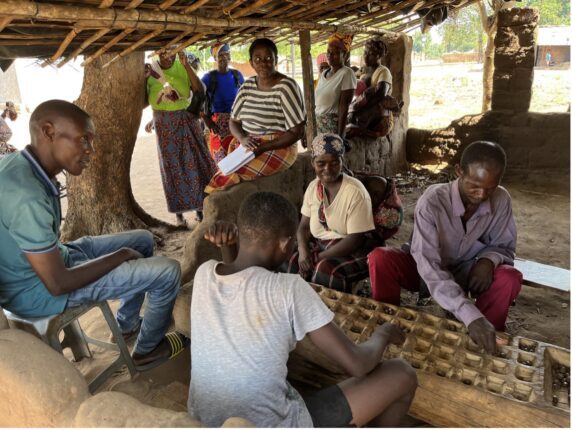 Individuals face immense challenges in displacement contexts, particularly where climate, conflict, and displacement intersect. In Mozambique, climate impacts have combined with conflict to displace nearly