-
Thought-leaders and Frontline Workers in Environmental Peacebuilding: An Oral History | Dr. Dhanasree Jayaram
›Environmental Peacebuilding Oral History // New Security Broadcast // May 10, 2024 // By Claire Doyle
In today’s episode of New Security Broadcast, ECSP’s Claire Doyle speaks with Dr. Dhanasree Jayaram, Program Manager at Climate Diplomacy and Assistant Professor at the Manipal Academy of Higher Education in India. Dr. Jayaram describes what environmental peacebuilding looks like in the context of South Asia, how climate diplomacy connects to environmental peacebuilding, and how the field has evolved. In looking at the future of environmental peacebuilding, she also raises insights and questions that an environmental peacebuilding lens can help us consider as we push forward on climate action.
-
The Arc | Dr. Renata Giannini on Women Environmental Defenders in the Amazon and Climate Mitigation
› In today’s episode of The Arc, ECSP’s Angus Soderberg and Claire Doyle interview Wilson Center Fellow Dr. Renata Giannini about her work with women environmental defenders in the Amazon and their role at COP30 in Brazil. Select quotes from the interview are featured below.
 -
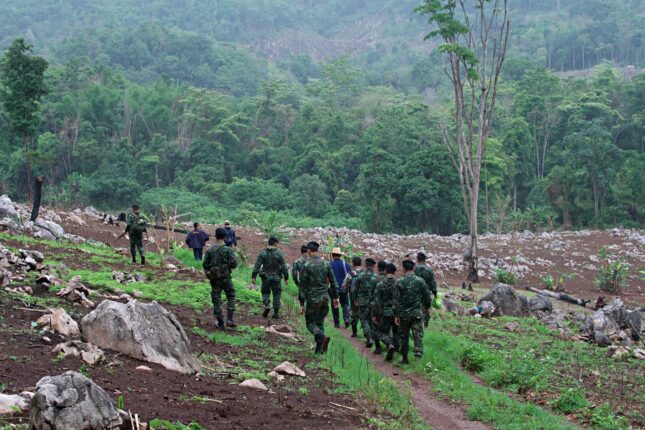
Beyond Complicity, Obstruction and Geopolitics: Military Forces and Climate Security
›The contentious and ambiguous entanglement that military forces have with their natural environment inevitably sparkles public interest and academic research. So how does the existing scholarly work inform our assessment of this convergence?
-
Thought-leaders and Frontline Workers in Environmental Peacebuilding: An Oral History | Dr. Erika Weinthal
›Environmental Peacebuilding Oral History // New Security Broadcast // April 12, 2024 // By Wilson Center Staff
Today’s episode of New Security Broadcast is hosted by ECSP in collaboration with the Environmental Peacebuilding Association as part of a special series: “Thought-leaders and Frontline Workers in Environmental Peacebuilding: An Oral History.” The series features interviews with academics, practitioners, and frontline workers to trace the history and evolution of the field of environmental peacebuilding.
-
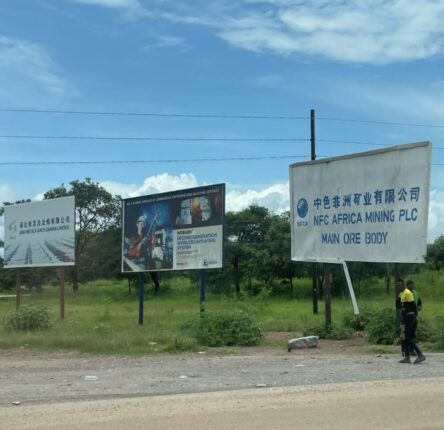
Americans Want to Challenge China’s Presence in Africa. They Could Start by Showing Up
›Zambia’s Copperbelt province is a microcosm of foreign investment on the continent.
Fly into Lusaka and marvel at the capital’s strikingly modern airport. Drive into town along a road as smooth as any American highway. Look left and notice a large white hospital complex. Glance right only a few minutes later to see the city’s impressive conference center with a “Golden Chopsticks” restaurant next door.
-
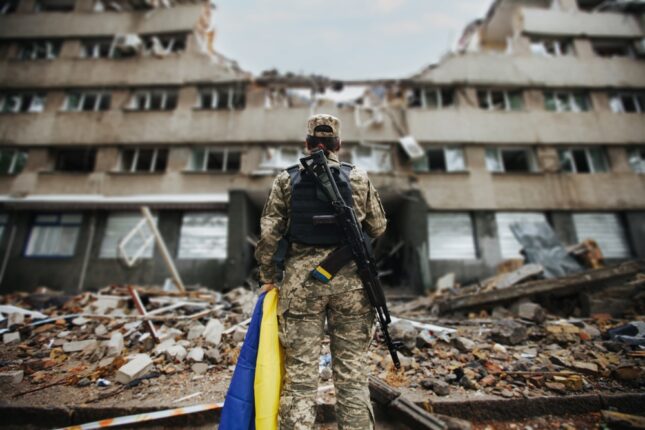
Women and Children in Ukraine: Q&A with Kira Rudik
›This month marked the two-year anniversary of the Russian invasion of Ukraine. March, in the United States, is Women’s History Month and internationally, the world celebrates International Women’s Day, each year on March 8. In recognition of both the ongoing war and its effects on Ukrainian women and children, the Maternal Health Initiative reached out to Member of Parliament and Leader of the Holos Party, Kira Rudik as a follow up to conversations we had at the start of the war and at its one year anniversary.
-
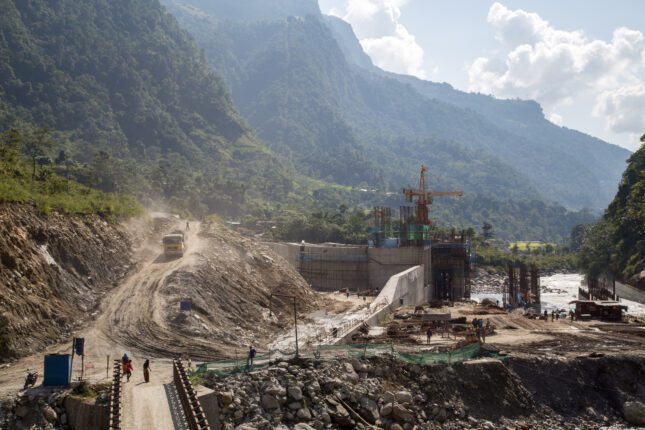
Assessing Local Aspects of Climate Security and Environmental Peace
›Climate change’s potential to aggravate insecurity, particularly through violent conflict, has created a fear that is both widespread and justified. Civil and defense ministries around the world now include climate impacts in their strategic planning, and climate security assessments have become a common policy tool.
-
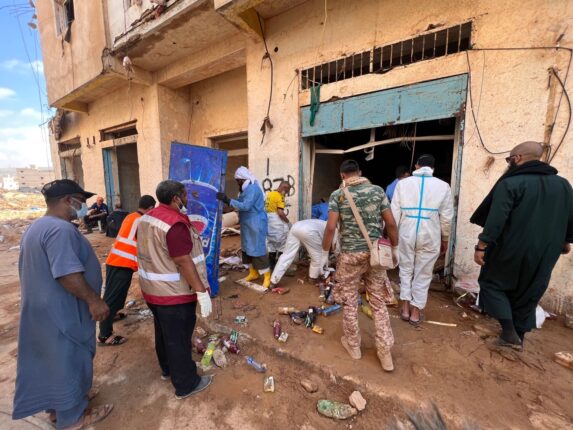
Water Weaponization in Libya: A Conversation with Erika Weinthal
›Libya provides a case study for the long-term impacts of water weaponization. After the 2011 overthrow of Libyan leader Muammar al-Gaddafi, the country faced civil conflict related to his succession, including two bloody civil wars in 2011, and then from 2014 to 2020, until a ceasefire took effect in 2020. During this period of long-term instability and isolation, Libya’s water infrastructure deteriorated. Combined with the country’s limited water resources, increased demand, and poor management, water insecurity soared.
Showing posts from category conflict.
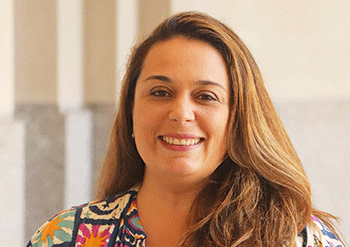 In today’s episode of The Arc, ECSP’s Angus Soderberg and Claire Doyle interview Wilson Center Fellow Dr. Renata Giannini about her work with women environmental defenders in the Amazon and their role at COP30 in Brazil. Select quotes from the interview are featured below.