-
Can Citizen Science Help Small Communities Combat Big Fishing Fleets?
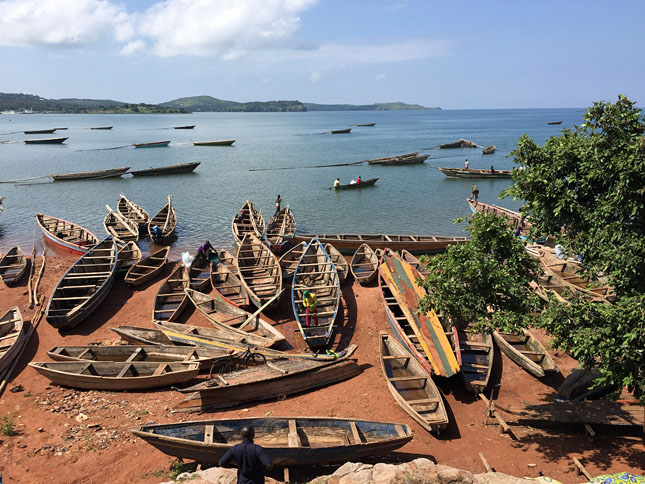
›This Earth Day weekend, the U.S. Department of State is hosting more than 2,000 coders in more than 40 cities to encourage creative thinking about technological solutions to ocean issues. The third annual Fishackathon could produce new tools for local communities to track long-distance fishing, a growing problem in some places, as China, in particular, scales up its efforts.
-
Community Empowerment vs. State Stability? Lessons From Nepal’s Micro-Hydropower Projects
›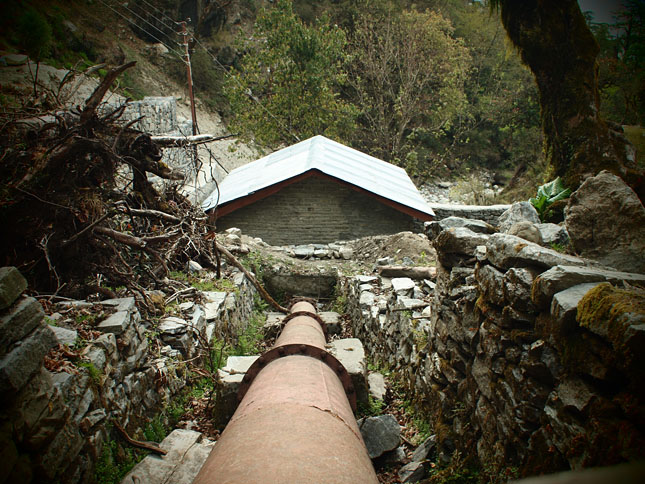
Post-war countries are among the most difficult policy arenas. The challenge is not only to stop violence and prevent violence from rekindling, but moreover to help countries reset their internal relations on a peaceful path. Increasingly, researchers and practitioners are interested in the potential of natural resources in post-war settings in the hope that good governance and sustainable management can contribute to this reset. Indeed, the international community acknowledged the relevance of the link between peaceful societies and environmental issues by including both in the Sustainable Development Goals.
-
In Tanzania, Empowering Communities to Address Population, Health, and Environment Issues Together
›
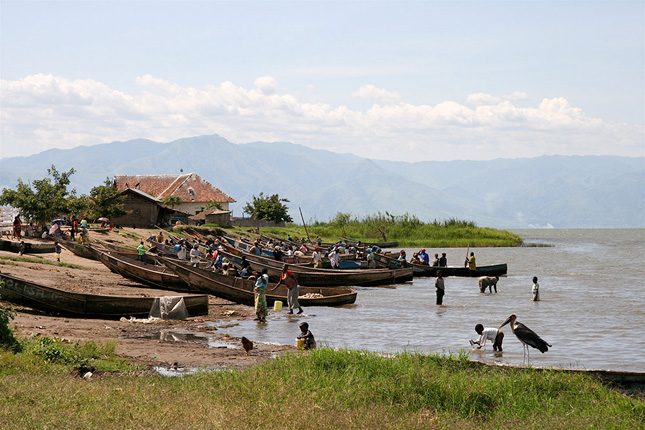
Africa has its share of challenges, but it also leads the way in creative development responses. Take the Lake Tanganyika area in Tanzania. Daily life is hard. There are few roads. Cellphone service is patchy. You must travel by boat for seven hours to reach the nearest hospital. And if you have an obstetric emergency, there is no doctor in the village to help you.
-
Global Stories From the Nexus of Gender and Climate Change Vulnerability
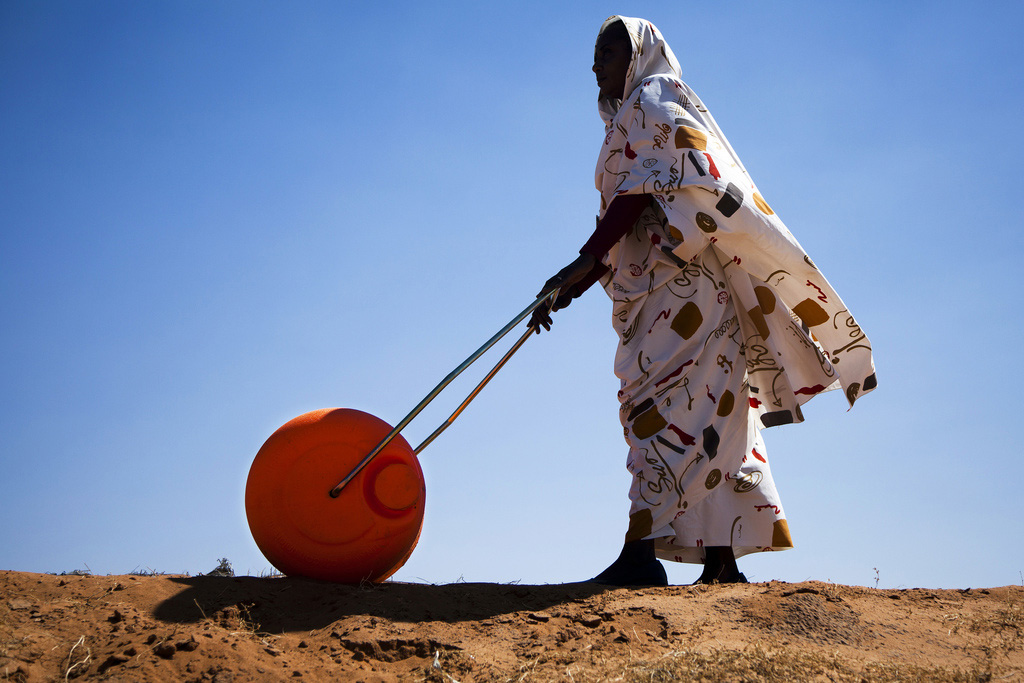
›March 21, 2016 // By Gracie CookDeveloping countries are in a pitched fight against the effects of climate change, and women, playing prominent roles in agriculture and household resource collection, are “at the front lines in the battle,” writes UN Framework Convention on Climate Change Executive Secretary Christiana Figueres, in a new report.
-
An Update on Kenya’s Dwindling Lake Turkana as Ethiopian Dam Begins Operation
›A four-part video series produced by the Kenya Broadcasting Corporation (KBC) and supported by the Fund for Investigative Journalism gives an update on the beleaguered communities of Lake Turkana, the world’s largest desert lake that supplies vital ecosystem services and livelihoods to 300,000 people in northwestern Kenya. The lake is fed entirely by the Omo River, flowing south from Ethiopia, but a newly completed upstream dam has raised questions about the future.
-
Lessons From Africa’s Great Lakes on How Conservation Orgs Can Address Migration
›Migration is an important strategy for coping with environmental variability and change, but it can also place additional stress on ecosystems. Policymakers and practitioners are not always fully aware of these threats, nor fully prepared to manage them through appropriate interventions. Conservation professionals in the field therefore have a key role to play in reducing the harmful impacts that migration can have on the environment, and in mitigating any tensions that may emerge between migrant and host communities.
-
Can Myanmar Avoid Conflict Pitfalls in its Hydro Blitz?
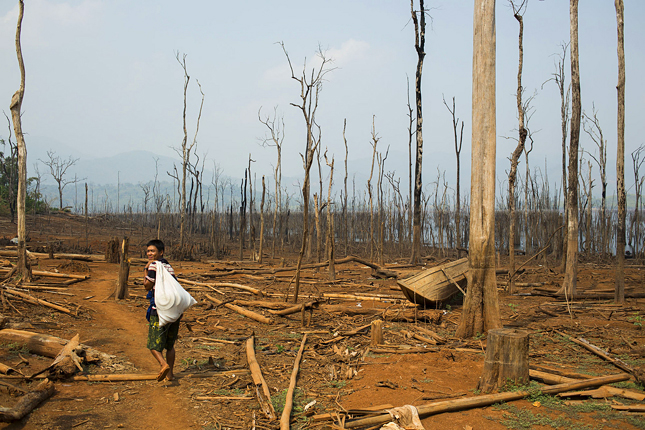
›Myanmar is undergoing multiple transitions, from military rule to democracy, decades of civil war to peace, and from a command economy to a market-based one. No less of an important challenge amidst this backdrop of change and hope is addressing the country’s energy poverty.
-
Lessons From Uganda on Strengthening Women’s Voices in Environmental Governance
›Ask Agnes Namukasa about sustainably managing fisheries in Kachanga, the lakeshore landing site she calls home in Uganda’s Masaka District, and you will soon learn about toilets. From her perspective, community members won’t address conflict between government enforcers and fishers, competition among neighboring villages, or pollution threatening aquatic ecosystems until they can first organize to address their most pressing daily needs. And in Kachanga, where chronic childhood diarrhea and a host of other illnesses stem from poor sanitation, those essentials include public latrines.
Showing posts from category community-based.