-
“Time for Action”: A 2016 IUCN World Conservation Congress Preview With Inger Andersen
›“The time for talk is done; it is now the time for action,” says Inger Andersen, director general of the International Union for Conservation of Nature (IUCN), in an interview before the 2016 World Conservation Congress.
-
When Is Conflict Positive? And How Climate Change Might Exacerbate Ethnic Violence
› Conflict is typically viewed as a failure of social and political systems and almost never as a method of transforming dysfunctional or fractured societies into cohesive units. However, in an analysis of the discourse around climate change and conflict in Local Environment, Melissa Nursey-Bray concludes that conflict is a sometimes-necessary step in a complicated process to create stable societies. Nursey-Bray separates the climate-conflict discourse into two baskets: climate change as a security risk and climate change as one of many factors that contribute to insecurity.
 -
Calming the Waters: Why We Need to Better Integrate Climate and Water Policy
›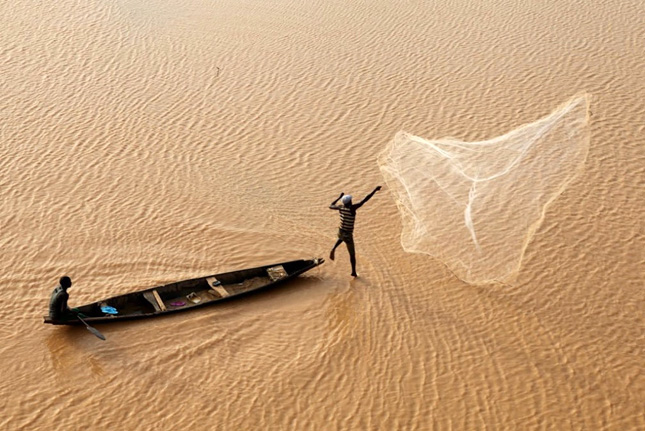
The Nile River is shared by 11 countries, for which it is vital for food and energy production, freshwater, and as a means of transportation. Sharing the resources of the Nile has, however, been politically difficult. Recently, the construction of the Grand Ethiopian Renaissance Dam has caused a major dispute with downstream Egypt which fears the dam will affect water flow in its own territory.
-
Left Out and Behind: Fully Incorporating Gender Into the Climate Discourse
›August 22, 2016 // By Cara ThuringerMore often than not in the discourse around gender and climate change, the word “gender” is used primarily to refer to women. There is no disputing that women are acutely vulnerable to the effects of climate change in ways that are different than men and sometimes hidden. However, this interchangeable use of words neglects other dimensions of gender, sexual orientation, and sexual identity. As a result, we are missing important ways gender impacts people’s experiences with climate change.
-
Mobile Phone Data Helps Identify Displaced People Faster, Cheaper, More Accurately
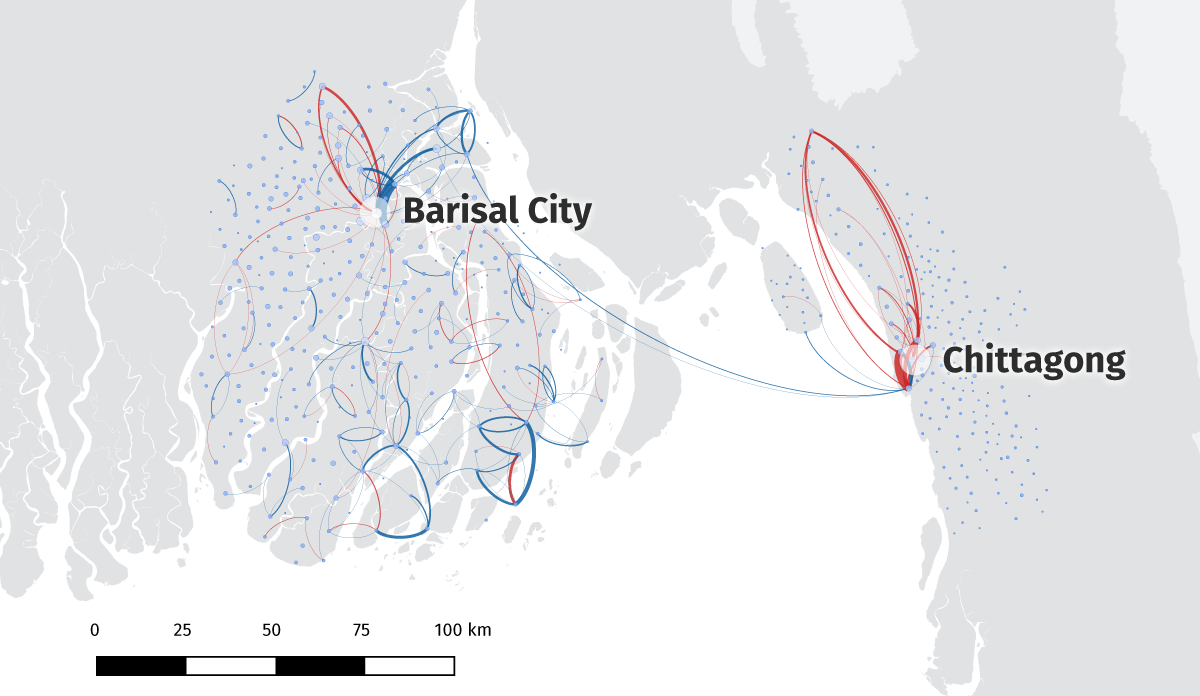
›If we are to avert the worst of climate change impacts, we need better tools for identifying patterns of displacement and migration around climate extremes. In vulnerable developing countries, increasingly frequent and intense storms will likely exacerbate current patterns of displacement and permanent migration. Displacement often leads to humanitarian crises in the short term and can derail progress toward development in the long term. Because of this dangerous potential, displaced persons and migrants are a common focus in humanitarian responses. However disaster responders must often “fly blind” without the benefit of current, accurate information about the worst-affected populations. To better respond to the impacts of climate change as they unfold, we will need more rapid, cost-effective, and accurate methods for identifying patterns of displacement and migration.
-
UNEP Releases GEO-6 North American Region Report: A Good Grade, With Qualifications
›With so much focus on global environmental problems, many may wonder how their region is faring more specifically. This is the sentiment behind the United Nations Environment Program’s process for the latest iteration of its flagship assessment, the Global Environmental Outlook 6 (GEO-6). [Video Below]
-
Africa’s Regional Powers Are Key to Climate Negotiations – But Will They Cooperate?
›Most African states are more vulnerable and less prepared to address climate change challenges than the rest of the world. This observation is supported by a wide variety of sources, including the Climate Vulnerability Index and the Notre Dame Global Adaptation Index. And in fact Africans and their political leaders frequently observe that this crisis, manufactured in the developed world, disproportionately affects their continent. During a meeting of the African Union in 2007, Ugandan President Yoweri Museveni called climate change “an act of aggression” by the rich against the poor.
-
Shreya Mitra, Resilience Compass
Lessons on Building Peace in Fragile Contexts From South Sudan
›August 11, 2016 // By Wilson Center StaffEarlier this month, armed clashes between competing factions of South Sudan’s government broke out in the capital Juba, a day after the nation’s fifth anniversary of its independence. The conflict dates back to political events and factional fighting that first emerged in 2013.
Showing posts from category climate change.