-
Indian Military Recognizes Environment as “Critical” Security Issue, But Response Is Still Fragmented
›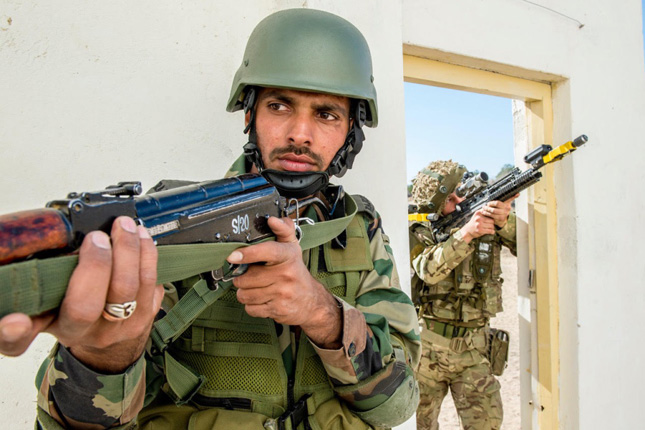
For the first time, the Joint Doctrine of the Indian Armed Forces acknowledges that the “environment has emerged as a critical area of the security paradigm,” and warns that if environmental degradation and related issues increase security risks, the military will need to respond. Released in 2017, the doctrine lists a series of non-traditional security challenges linked to the environment that could influence conflict and war, including “climate change, ecosystem disruption, energy issues, population issues, food-related problems, economic issues of unsustainable modes of production, and civil strife related to environment.” While the military has taken steps to address its impacts on the environment, it can do much more to support the nation’s environmental goals and mitigate environment-related security risks.
-
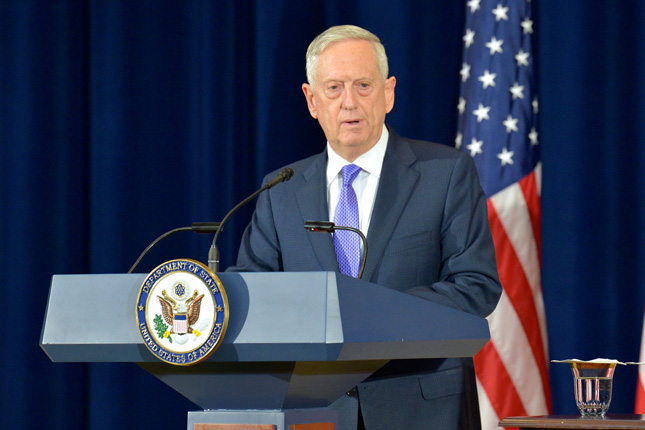
Secretary of Defense Announces National Defense Strategy
›
The Trump administration’s first National Defense Strategy, which was released last Friday, outlines the U.S. Department of Defense’s national security goals in a world it describes as rife with great power competition between the United States, Russia, and China. Climate change – which some military leaders warn poses a looming threat to the effectiveness of American military power – was not mentioned, in stark contrast to the previous administration’s strategic priorities. National security and defense strategies issued by the Obama Administration highlighted the dangers climate change poses to national security, including “increased national disasters, refugee flows, and conflicts over basic resources like food and water.”
-
Respect for Creation: Leaders and Religious Groups Confront Climate Change in the Caribbean and South Pacific Islands
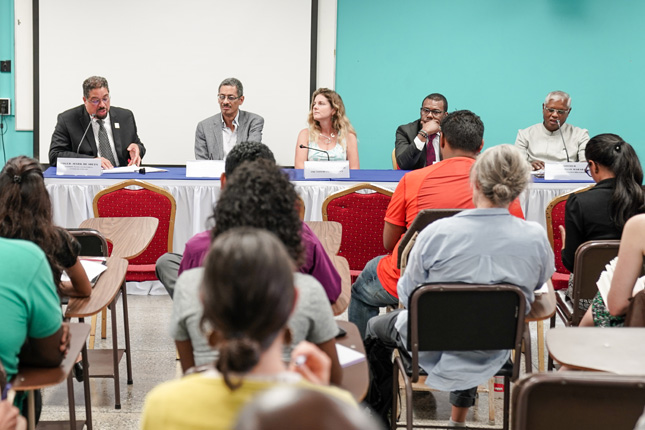
›Climate change is “unfolding as we speak,” said John Agard, professor of Tropical Island Ecology at the University of the West Indies (UWI) at a recent public forum on island nations hosted in Trinidad by UWI’s Institute of International Relations. The “close coupling of terrestrial, coastal, and marine systems” in islands “results in fast-spreading impacts across systems,” said Roger-Mark De Souza¹, formerly the director of population, environmental security, and resilience for the Wilson Center, which partnered with UWI and American University’s Center for Latin American and Latino Studies to organize the event.
-
The Big Picture: Measuring Efforts to Build Resilience
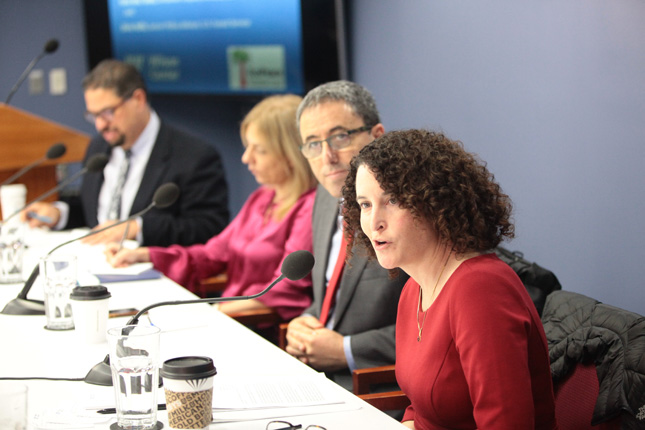
›“Resilience isn’t an outcome,” said USAID Resilience Coordinator Greg Collins at a recent Wilson Center event on measuring resilience; it is “the ability to manage adversity and change without compromising future well-being.” The wide array of individual factors that contribute to building resilience—ranging from livestock insurance and microsavings, to risk tolerance and women’s decision-making—can be challenging to measure individually, let alone in concert. But this assessment is essential for designing and implementing successful development projects: “We have to be able to answer the question: Is this building resilience, yes or no?” said Cornell University’s Chris Barrett.
-
Ripple Effects: Sharing Water and Building Peace in the Jordan River Valley
›In the war-torn Jordan River Valley, we can meet the “strategic objective of reducing conflict by promoting cooperation on shared waters,” said former defense official Sherri Goodman at a recent Wilson Center event on environmental peacebuilding. Even in the midst of political disputes, Jordanians, Israelis, and Palestinians must work together to manage the scarce supplies of clean water to protect their health, their economies, and their security.
-
Sustainable Water, Resilient Communities: The Problem of Too Much Water
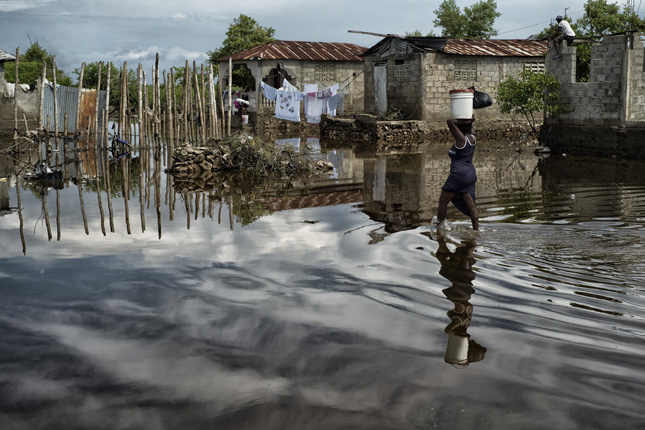
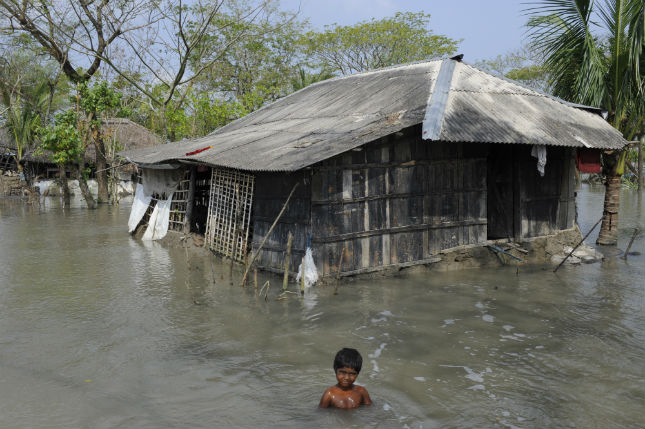
›From the Wilson Center // Water Security for a Resilient World // December 12, 2017 // By Julianne Liebenguth“Floods are one of many factors that keep massive amounts of the population in poverty and always on the brink of disaster,” said Eric Viala at the second event in a four-part series on water security organized by the Wilson Center in cooperation with the Sustainable Water Partnership, which Viala directs. Panelists at the event discussed the impact of intense flooding on vulnerable communities and proposed innovative and collaborative approaches to reducing their risks in the face of disasters.
-
Climate Engineering: Innovative Solution or Ethical Dilemma?
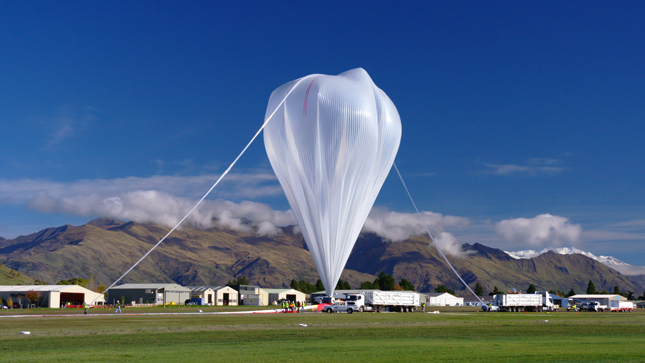
›“Climate engineering can be a way to build a better world,” said Katharine Mach, a senior research scientist at Stanford University during a recent virtual workshop on the promises and pitfalls of climate engineering held by the Institute on Science for Global Policy, in partnership with the Forum for Climate Geoengineering Assessment at American University, and the School of Sustainability at Arizona State University.
-
“Let’s Start From Here”: Local Solutions for Loss and Damage and Livelihood Resilience
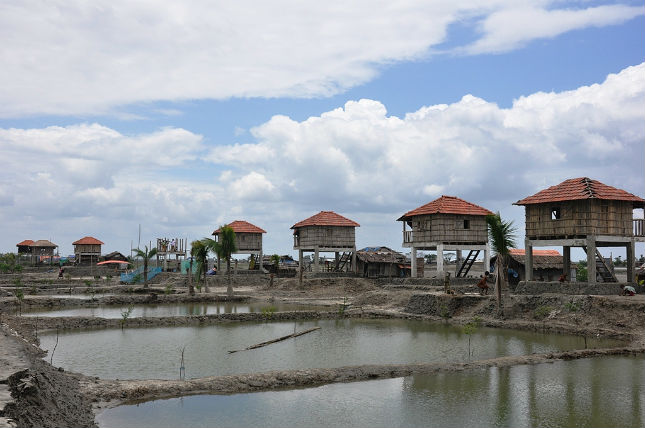
›Without warning, water rushed into a woman’s home on a raised platform above the floodplain of Bangladesh’s Teesta River. She was just a hand’s distance from her infant son, but she couldn’t stop him from falling into the floodwaters. “She can’t recover back from the trauma,” said the University of Dundee’s Nandan Mukerjee of the mother who lost her child to the currents of climate change.
Showing posts from category climate change.